Since the data
gathered
only represents limited samples from two pallasites,
it is difficult to
make broad conclusions regarding pallasite formation.
However, the
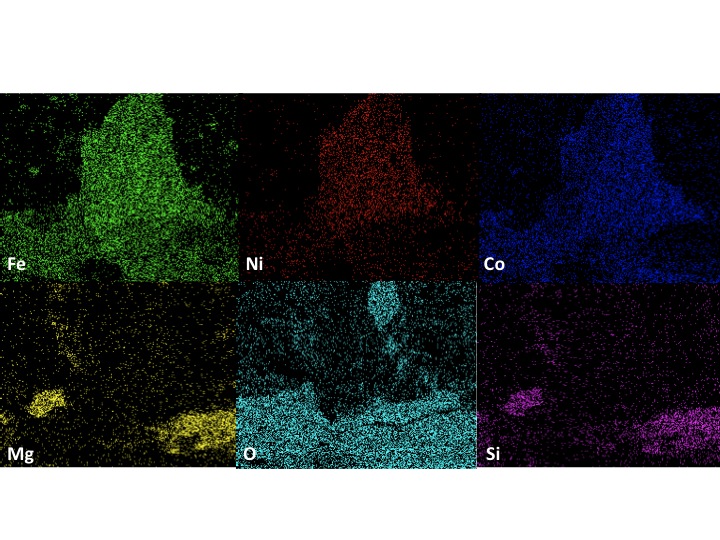
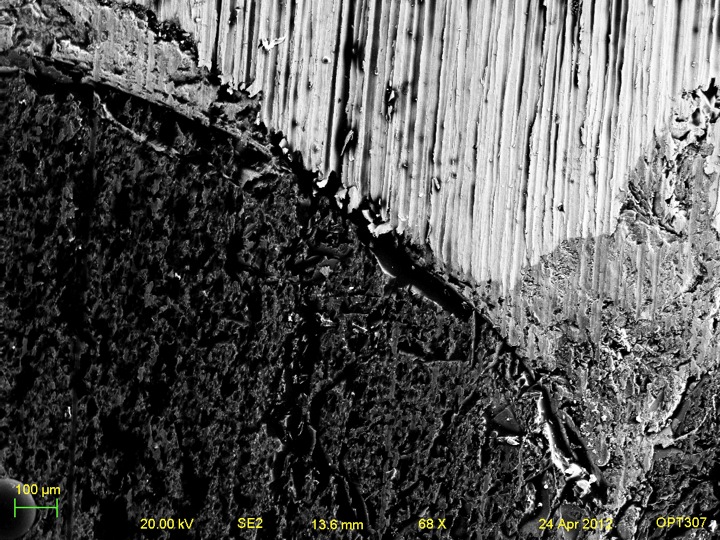
implications of the data at hand are quite clear. The
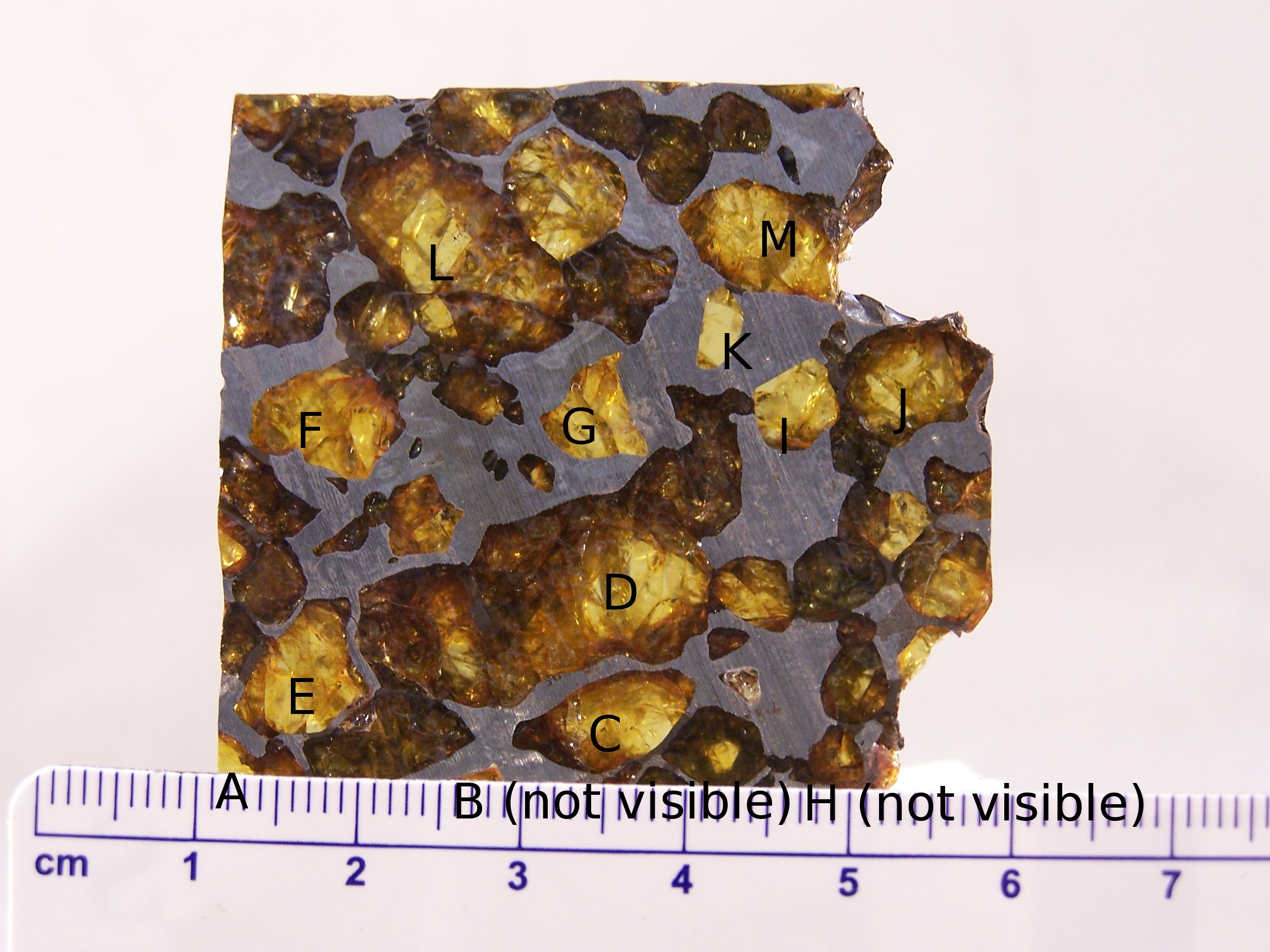
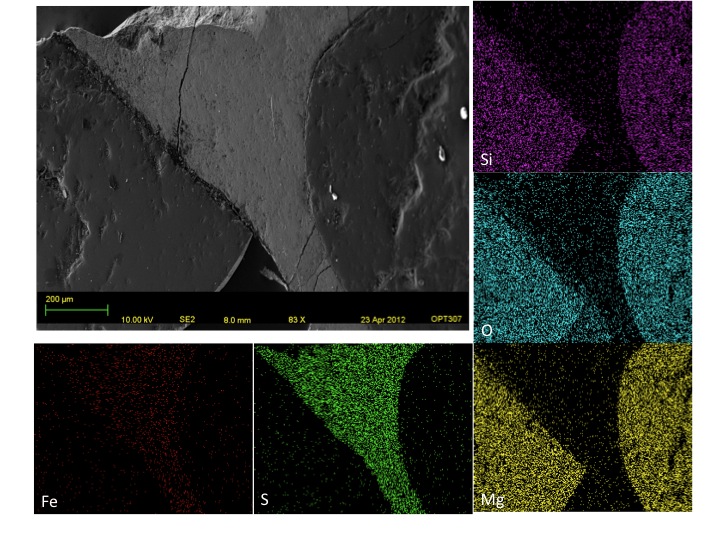
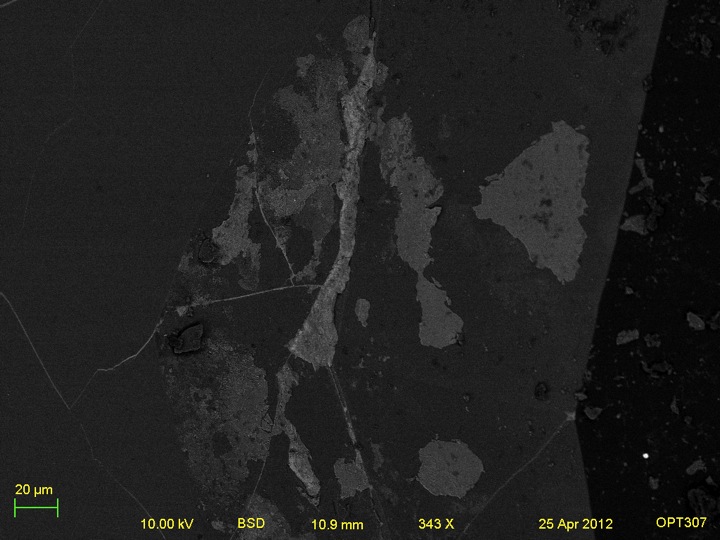
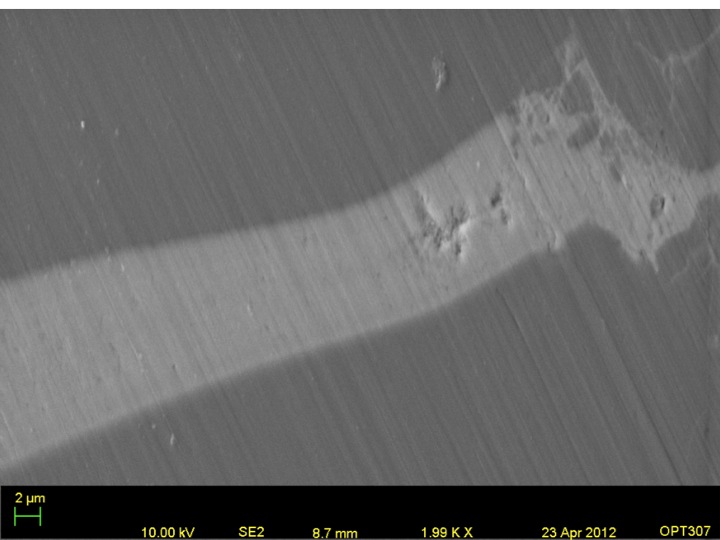
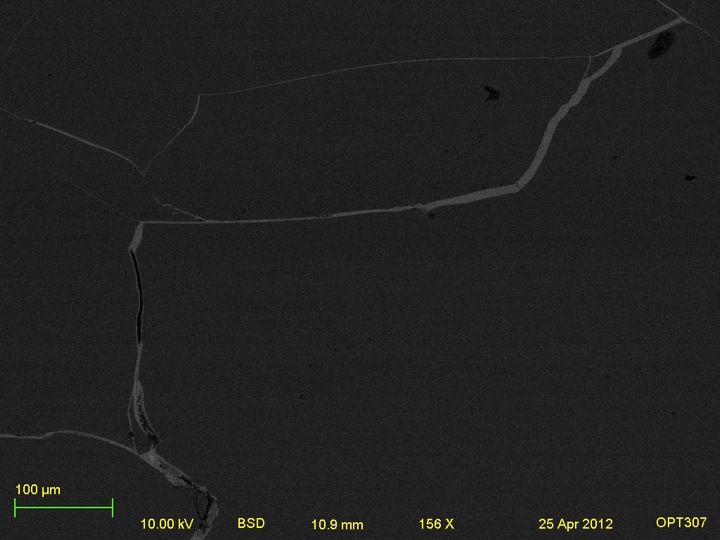
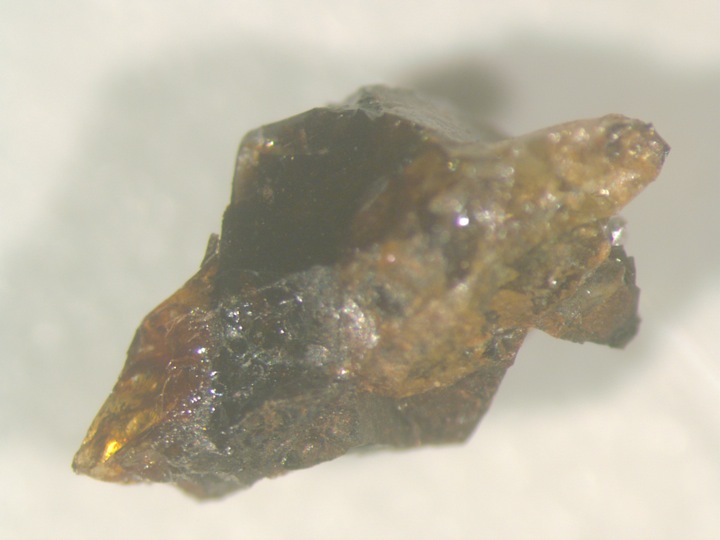
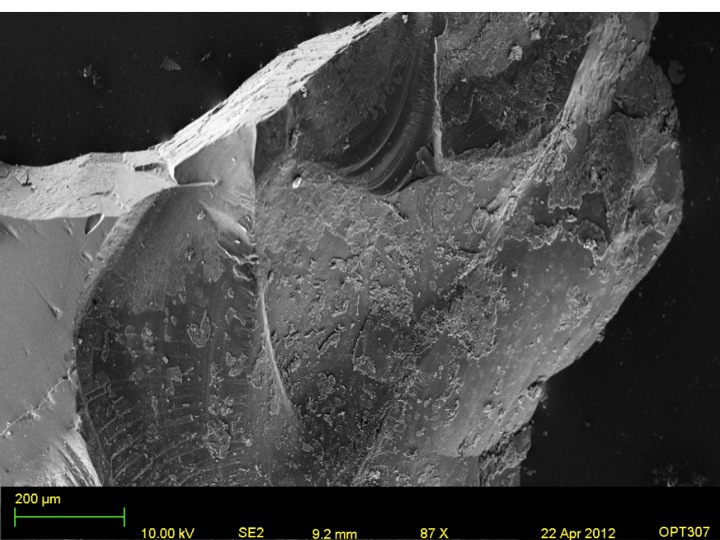
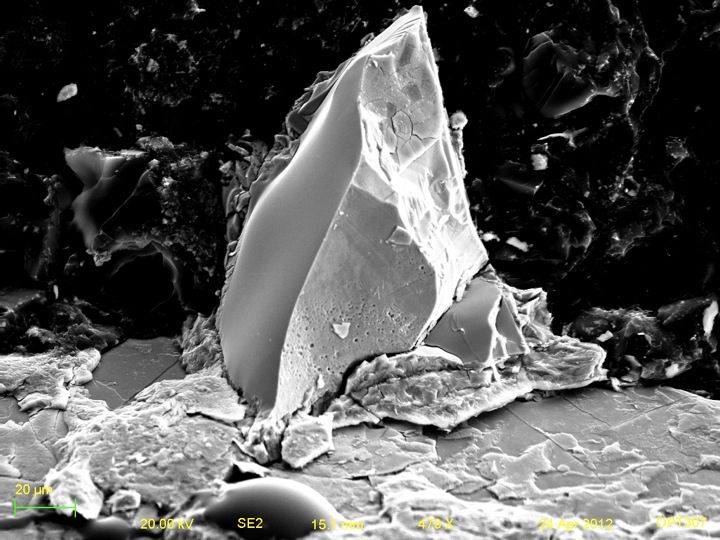
discrete, angular
boundaries between metal and olivine seen in Imilac
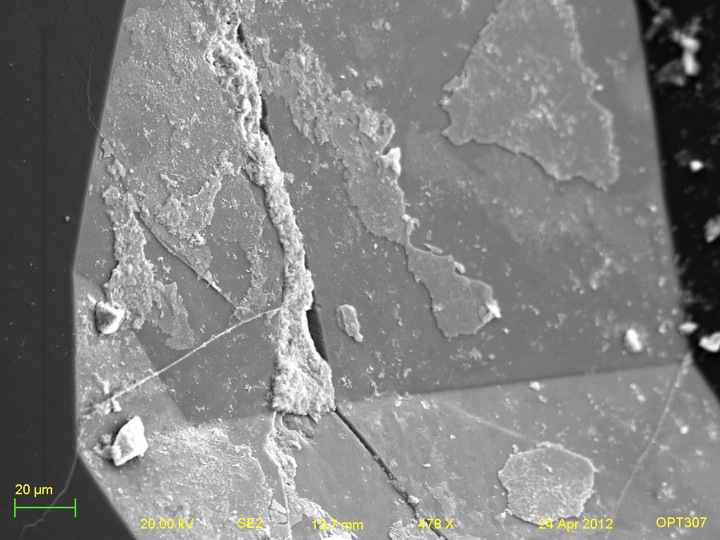
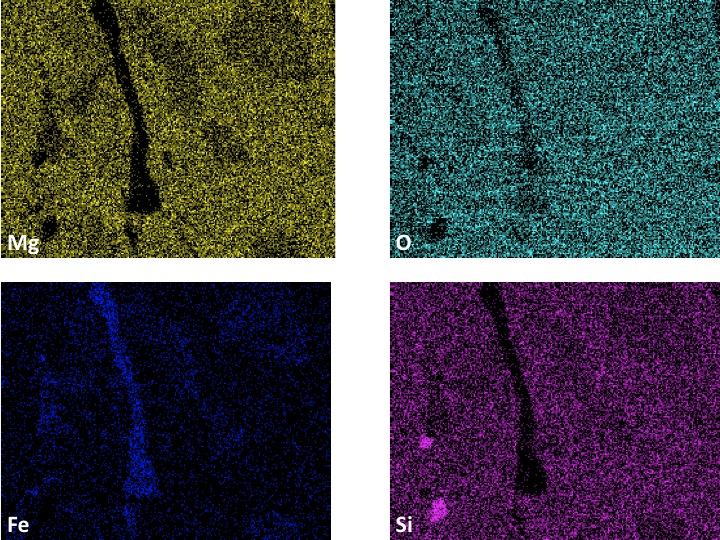
samples as well as
the cracks and veins seen, seem to indicate that there
was an impact at
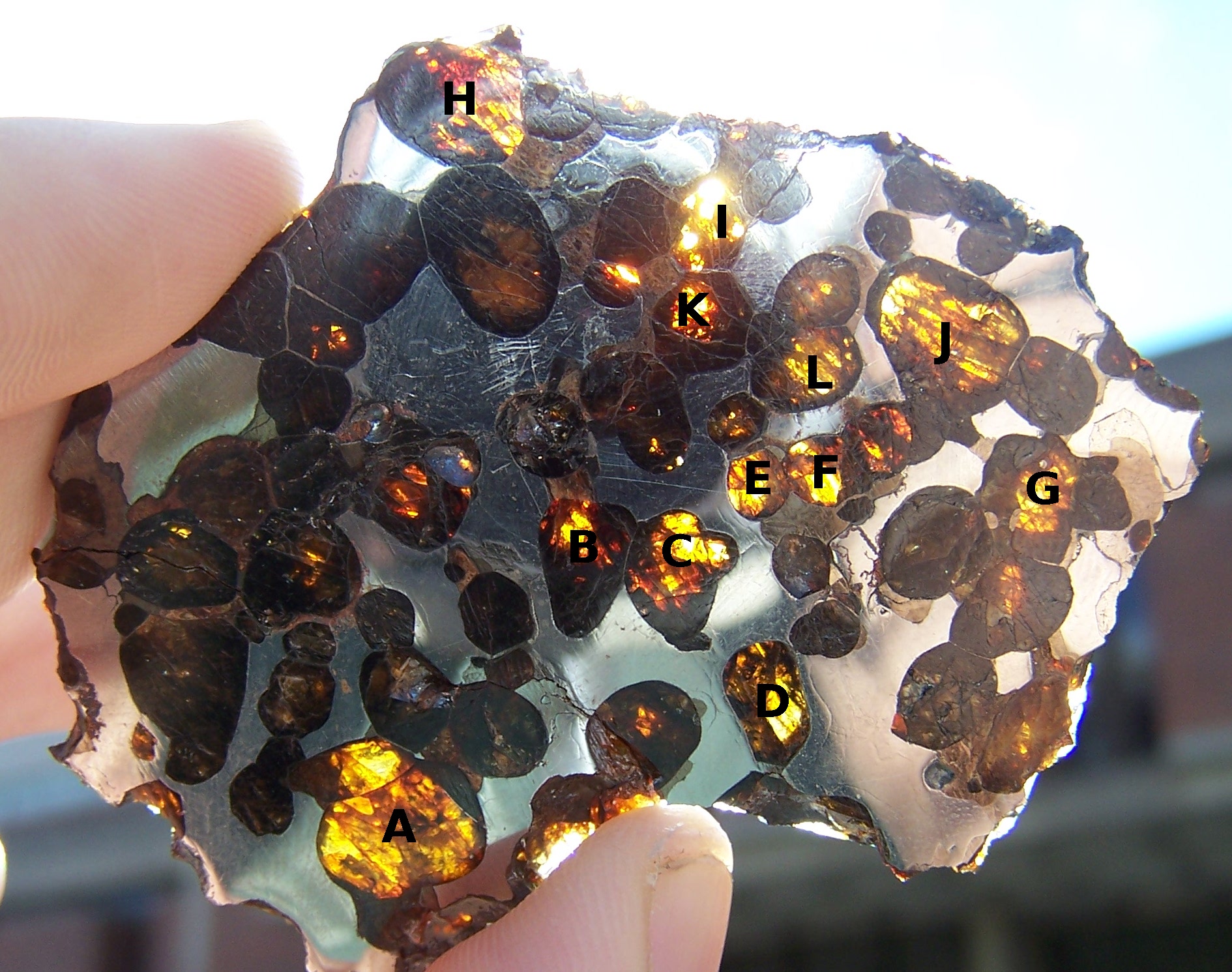
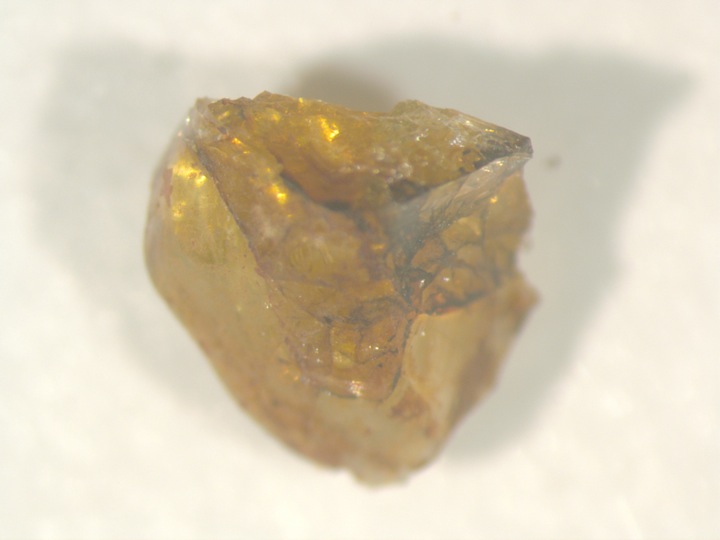
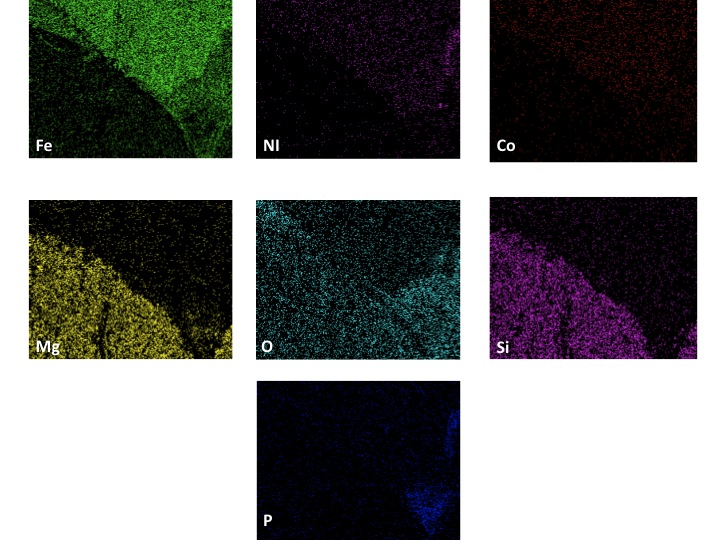
some point in this meteorite's history. Springwater on
the other hand
has less discrete, more rounded boundaries between
olivine and metal,
contains accessory phosphate minerals, and more varied
metal alloy
composition, indicating a longer, less interrupted
thermal history.
Acknowledgements:
I would like to thank
Brian McIntyre for all of his lectures and good humor.
I would also
like to thank Margaret Samuels for her help throughout
course lab
exercises. Finally, I would like to thank the
Paleomagnetic Reserach
Group for providing the necessary meteorite samples.
References and Further Reading:
Buseck and Holdsworth. "Phosphate Minerals in Pallasite
Meteorites."
Mineralogical
Magazine.
(1977): 41, 91-102.
Davis and Olsen. "The Origin of Phosphate Minerals in
Eagle Station and
Springwater Pallasites."
Lunar
and
Planetary Science Conference XX, 1989.
A. Desrousseaux Et al. "An Analytical Electron
Microscope Investigation
of Some Pallasites."
Physics
of
the Earth and Planetary Interiors (1997): 103,
101-115.
Wasson and Choi. "Main-group pallasites: Chemical
composition,
relationship to IIIAB irons, and origin." Geochimica et
Cosmochimica
Acta, (2003): 67, 16, 3079 –3096.