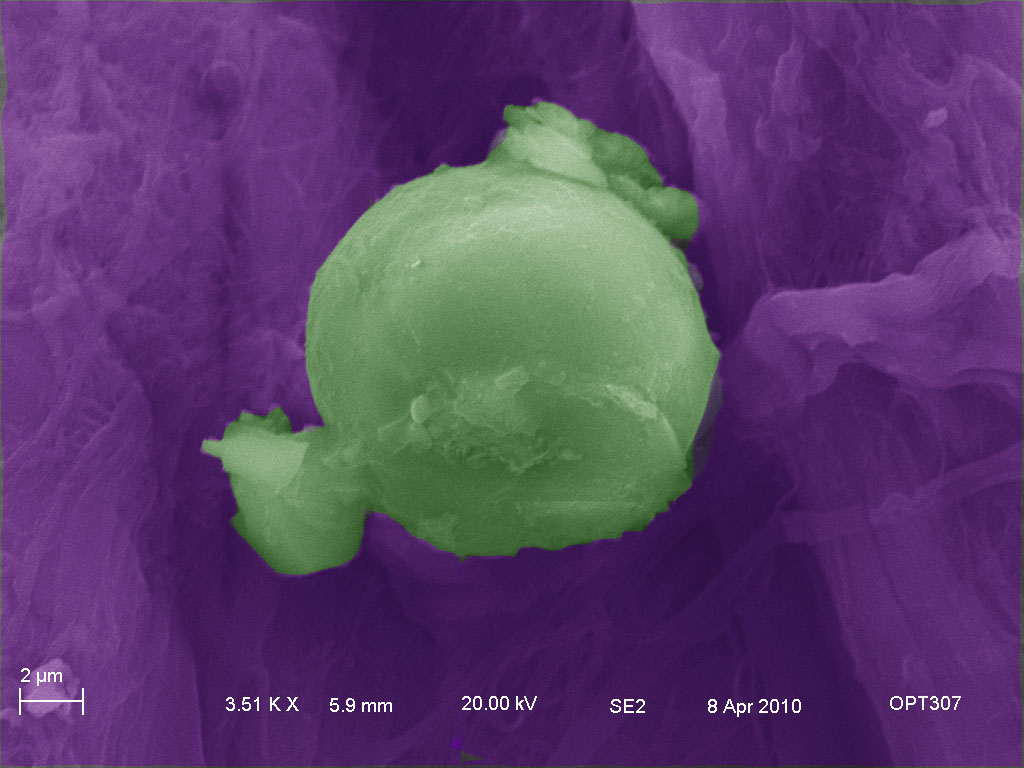
 My samples were collected by wiping different surfaces
with filter paper. Five samples were made in this project, including the
surface of teeth
brush; the surface of teeth; the surface of keyboard; the surface of
sponge used in kitchen and the surface of cup. Since my samples
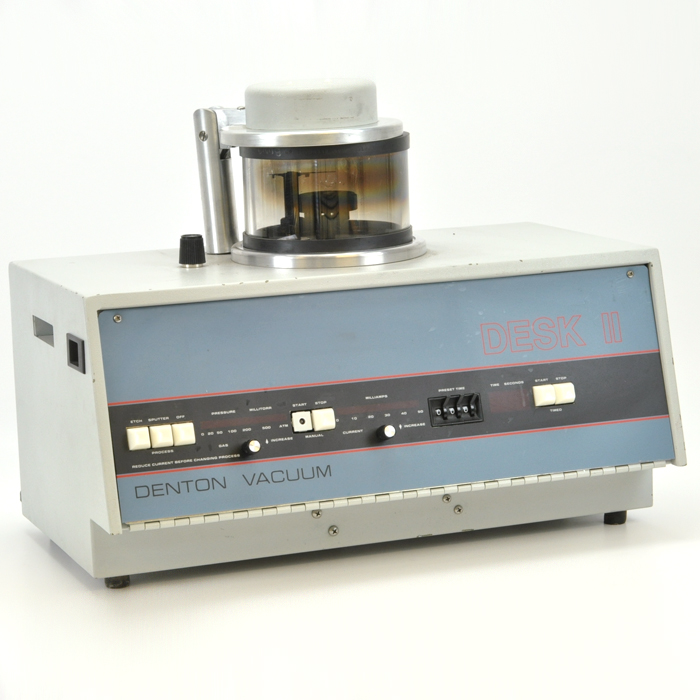
contain bacteria and they are not conductive. The samples should be
dehydrated
and coated with gold before the observation of SEM. Usually, there are two ways to dry biological
samples: one is CPD (Critical Point Drying) and the other one is HMDS (Hexamethyldisilazane) Drying. Since the bacteria are small and not
containing a lot of water, the HMDS drying is
good enough to dehydrate my sample.
My samples were collected by wiping different surfaces
with filter paper. Five samples were made in this project, including the
surface of teeth
brush; the surface of teeth; the surface of keyboard; the surface of
sponge used in kitchen and the surface of cup. Since my samples
contain bacteria and they are not conductive. The samples should be
dehydrated
and coated with gold before the observation of SEM. Usually, there are two ways to dry biological
samples: one is CPD (Critical Point Drying) and the other one is HMDS (Hexamethyldisilazane) Drying. Since the bacteria are small and not
containing a lot of water, the HMDS drying is
good enough to dehydrate my sample.1) Immersing the filter paper with bacteria into HMDS solution
for at least five minutes.
2) Waiting for half an hour untill the paper is completely
dry.
3) In order to keep the samples dry sputting the samples as soon as
they are completely dry.