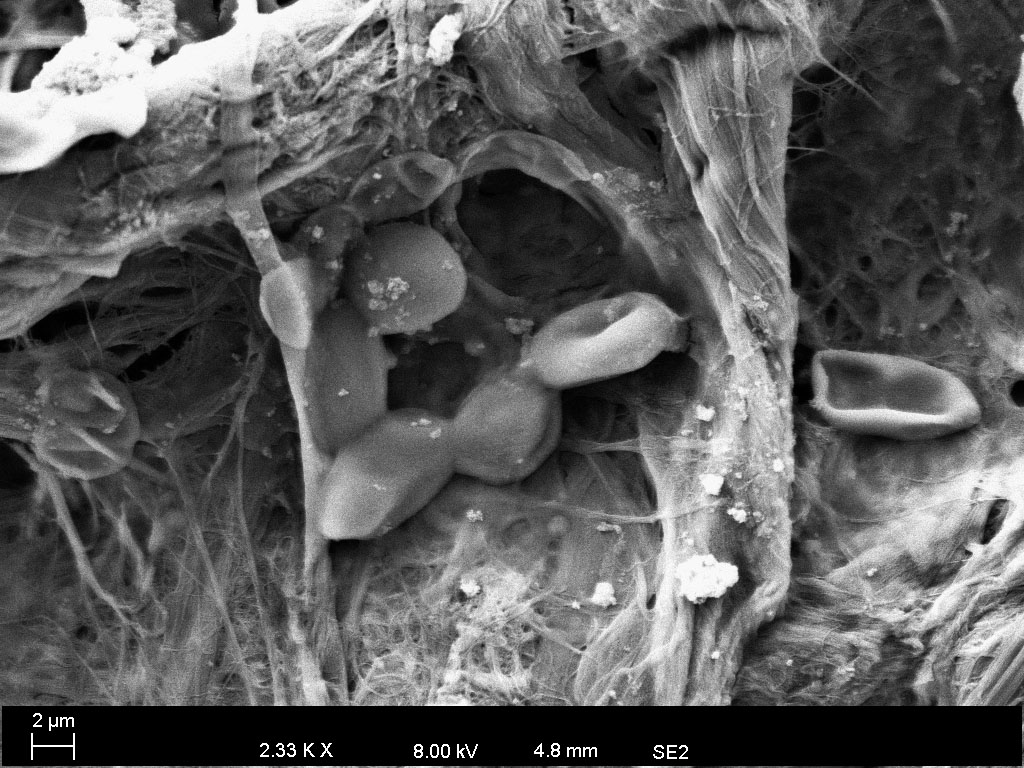
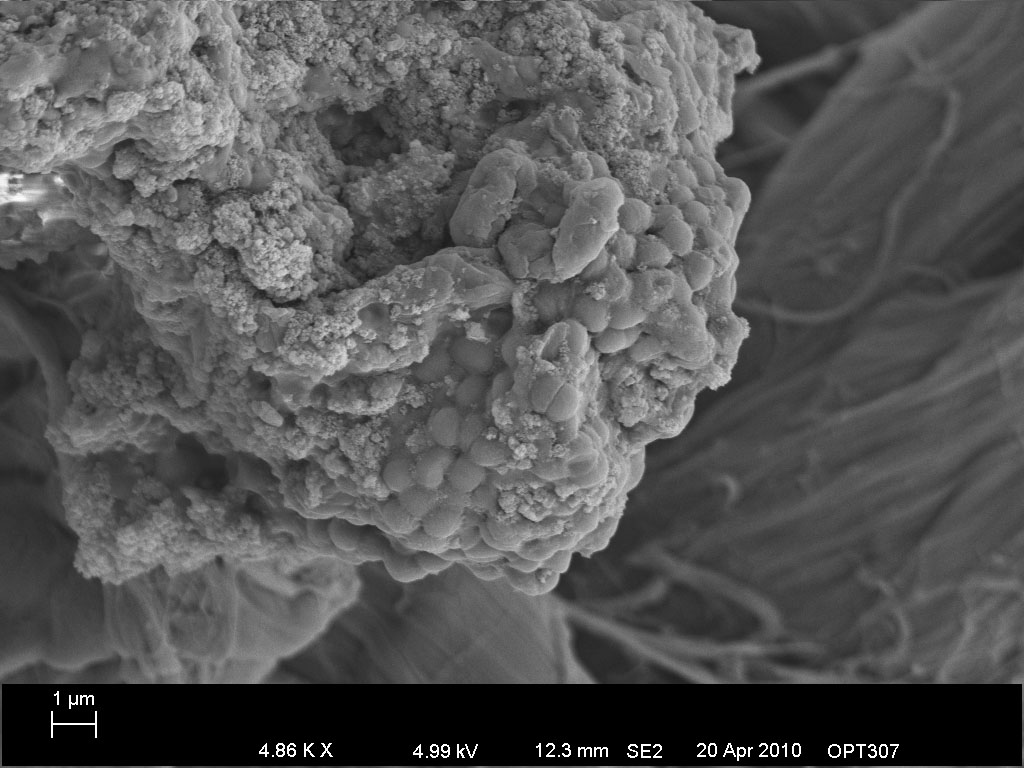
Figure1 Different bacteria observed on the brush surface.
There are two kinds of bacteria observed
on the teeth brush. Generally, these bacteria would cause cavities. It
is wise to change your teeth brush regularly, otherwise it is useless
to protect your teeth by using a teeth brush full of bacteria.
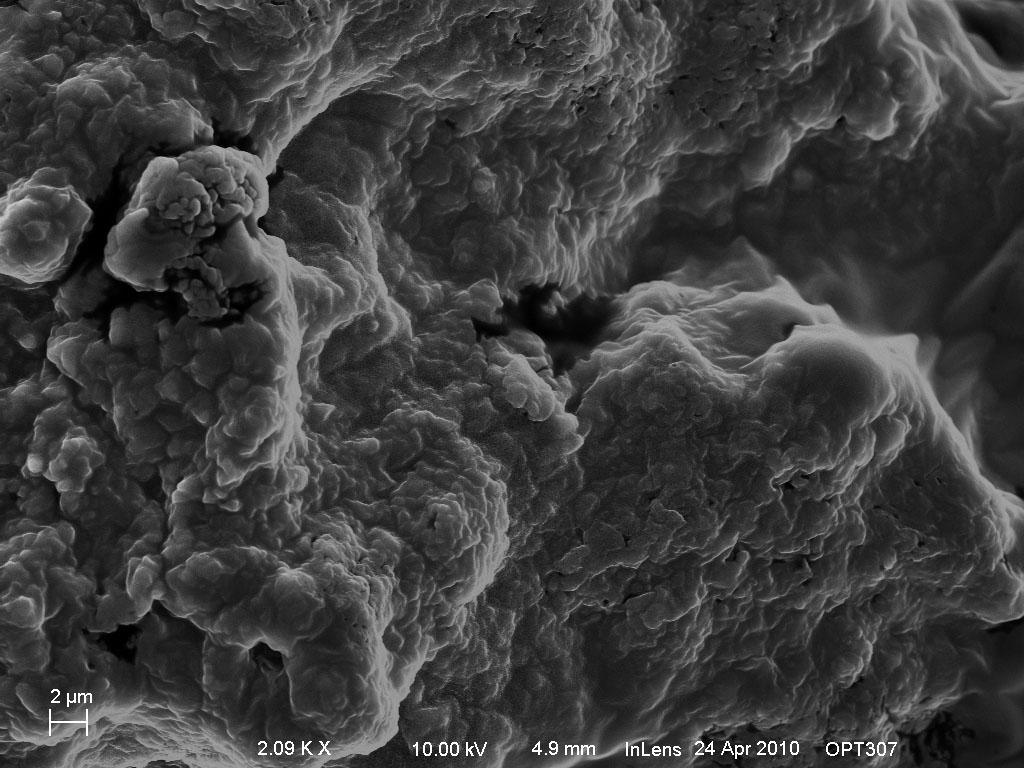
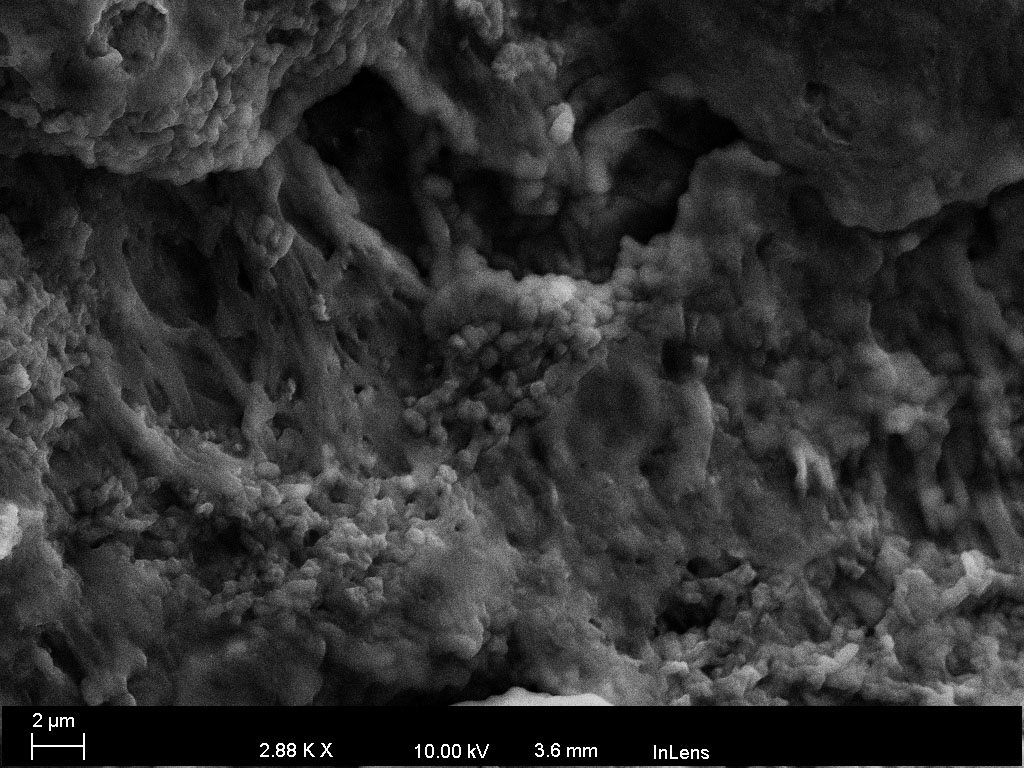
Figure2 Bacteria observed on the teeth surface.
Take a look at the tooth plaque,
thousands of bacteria contained in them. Aren't you shocked by these
"tiny animals"? I hope these two images remind you to brush your teeth
every day. Of course, you should brush them with clean teeth
brush.
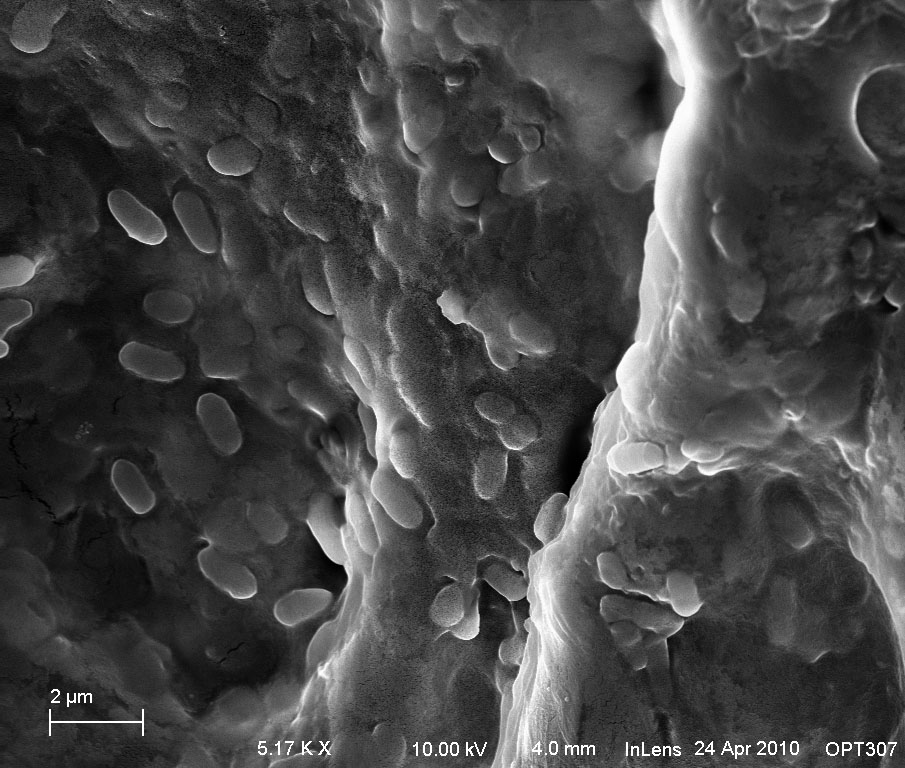
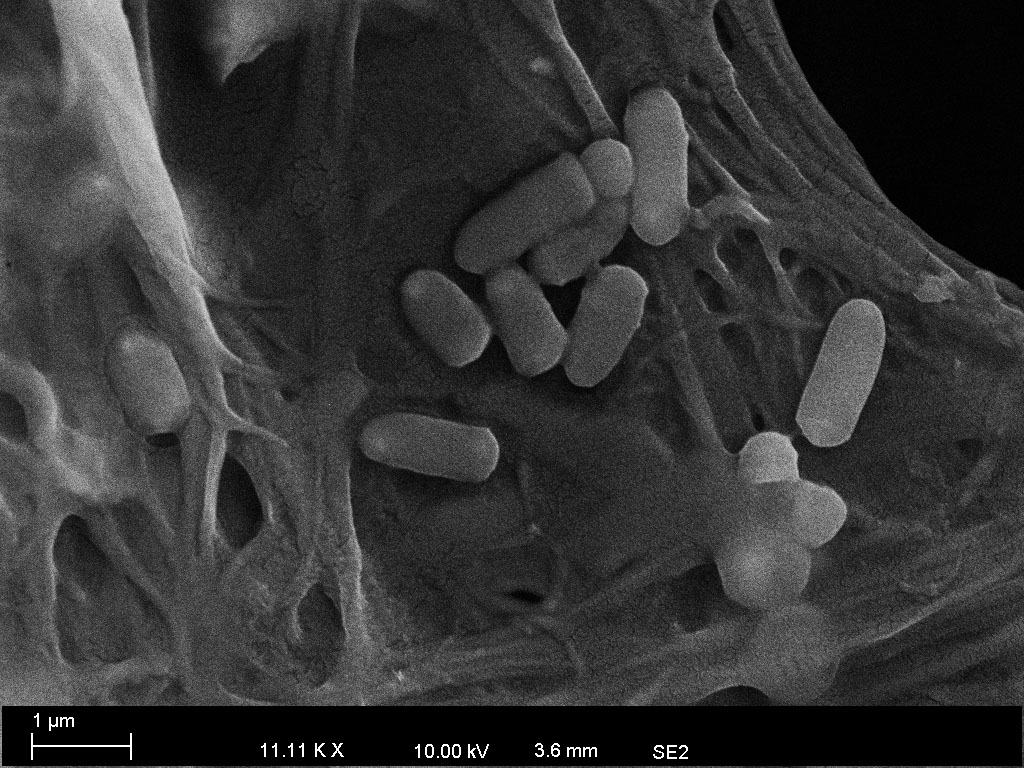
Figure3 Bacteria observed on sponge used in kitchen.
Bacteria are everywhere, especially in
the moisture places. Have a look at the sponge, which you use to
clean your plates everyday. You should pay attention to your sponge,
otherwise the doctor would pay attention to you soon.
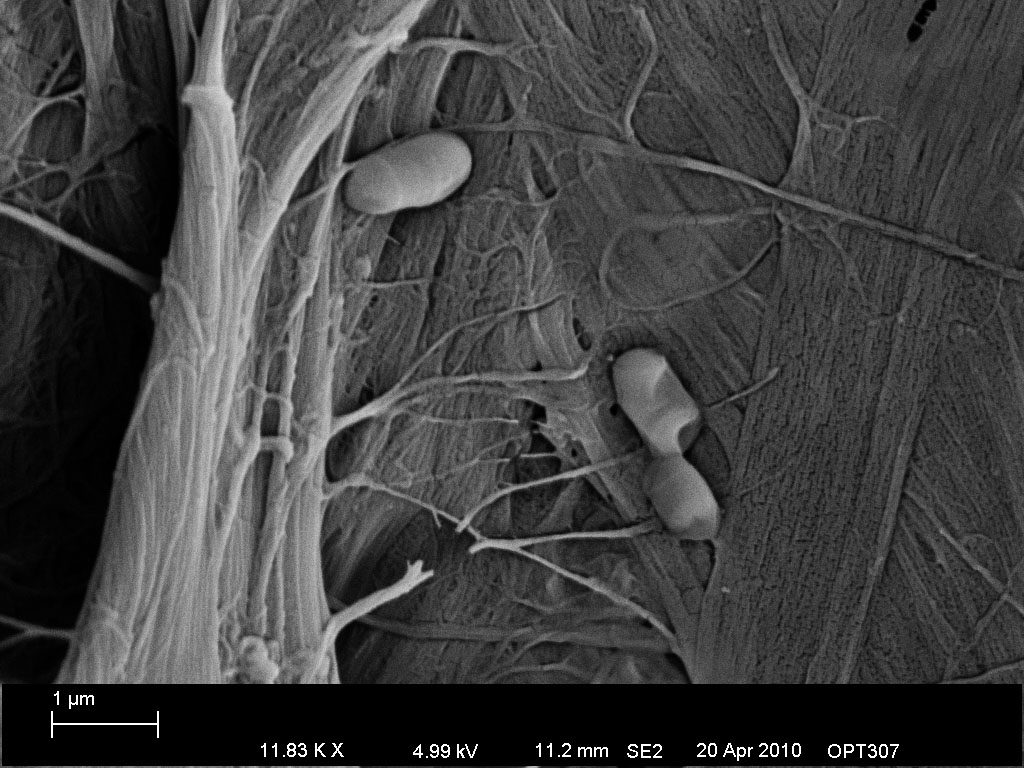
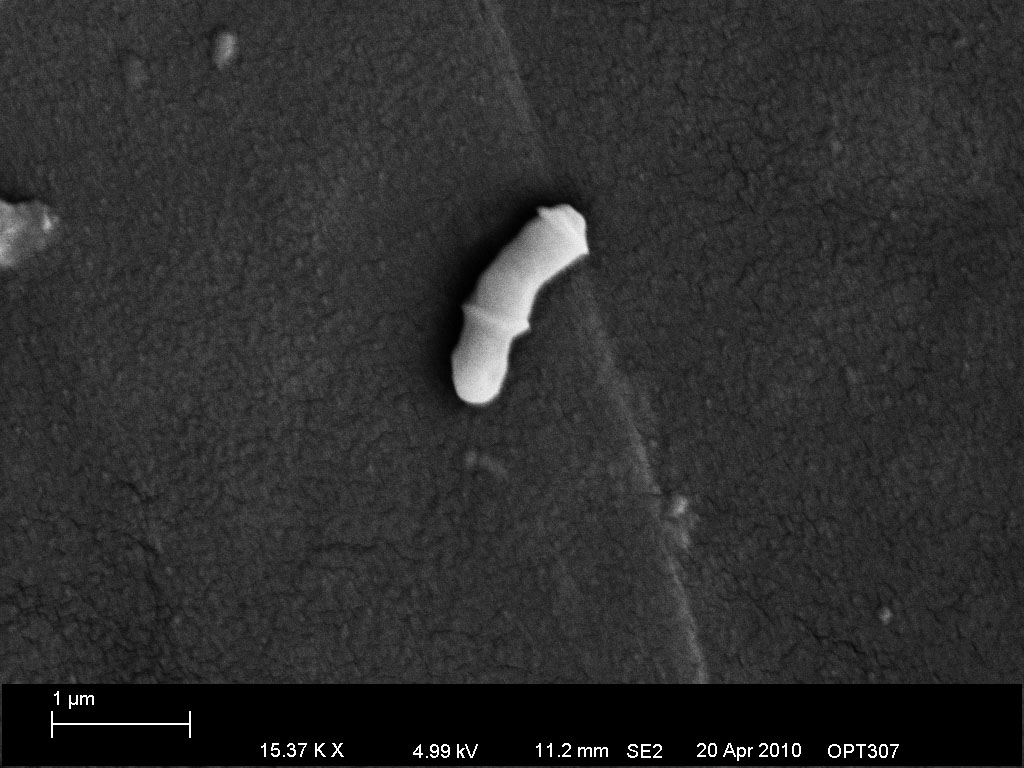
Figure4 Bacteria observed on the surface of cup.\
The cups can also provide suitable
places for the bacteria to grow. Compared with other samples above, the
cups have less bacteria. Maybe hot water or coffee help to decrease the
number of bacteria. It is really a good way to kill bacteria through
high temperature.
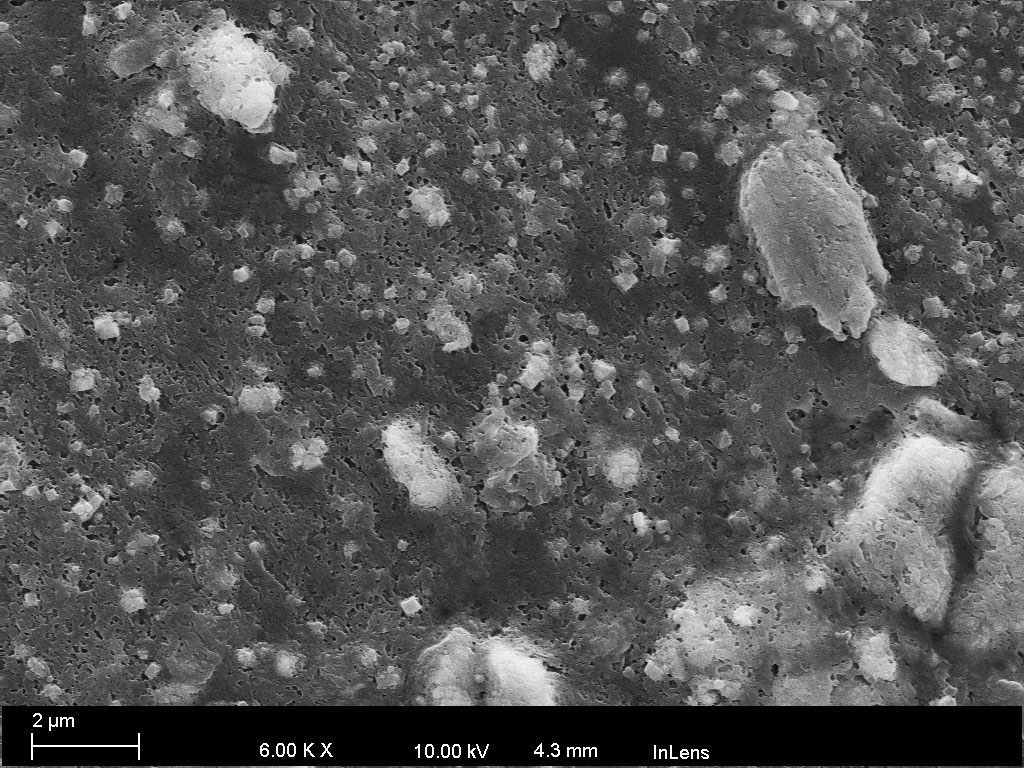
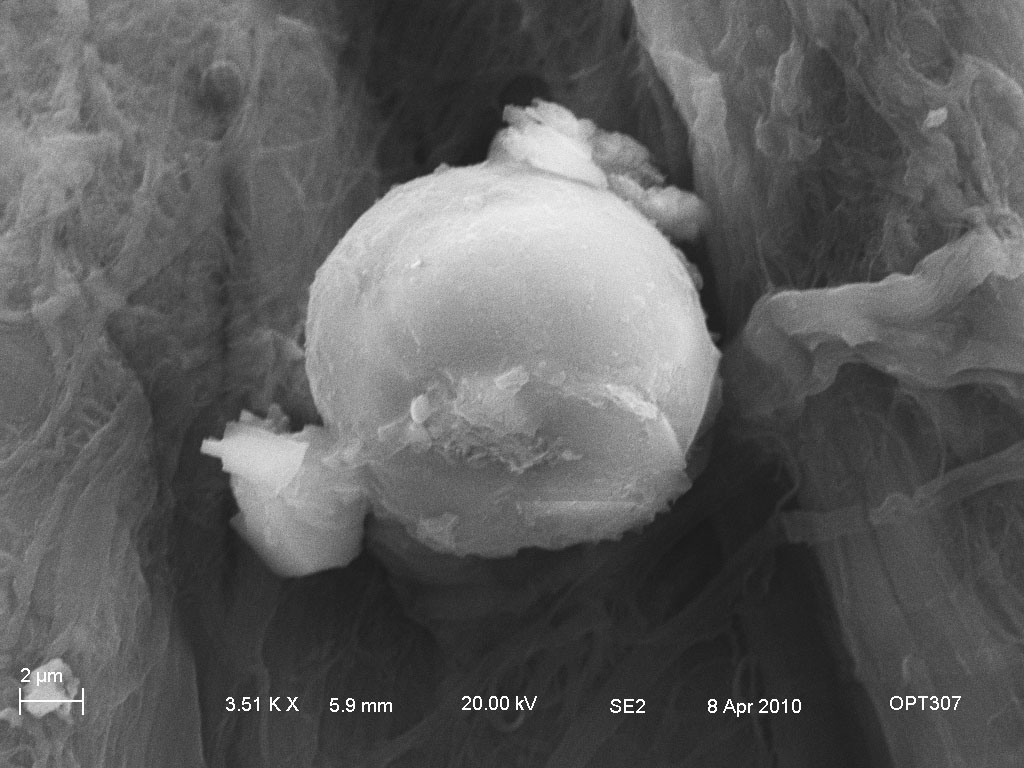
Figure5 Things observed on the keyboard.
As reported, the keyboard, especially
the ones used in public, contain a lot of bacteria. But it is hard to
find bacteria on my sample, instead many small particles are found on
the keyboard sample. These small particles have been prove to be salt
by EDS and mapping. These small salt particles are probably formed from
the sweat of hands. Based on my observation, the keyboard is more clean
than your teeth brush. But you should also remember to wash youe hands
after you use computer.
2.Analyzing Small Particles Collected From
Keyboard Via Mapping and EDS
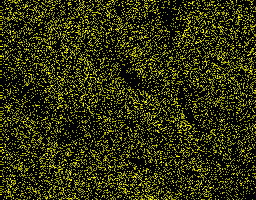
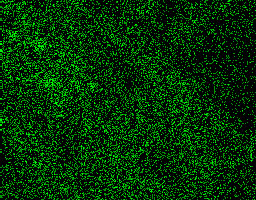
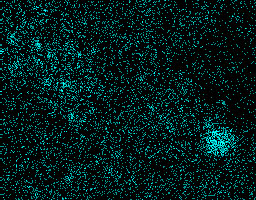
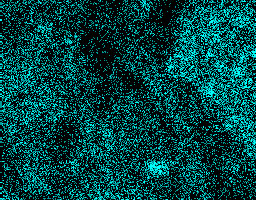
Figure 6 Element mapping of small particlescollected from keyboard (a) Cu; (b) Na; (c) Cl; (d) O
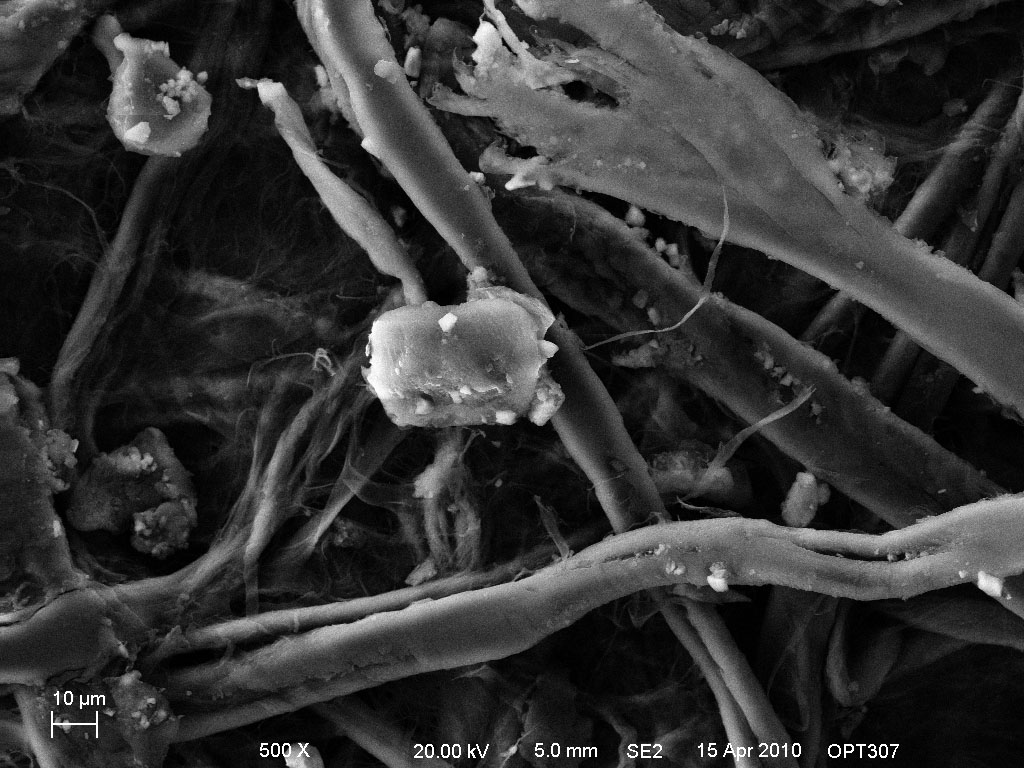
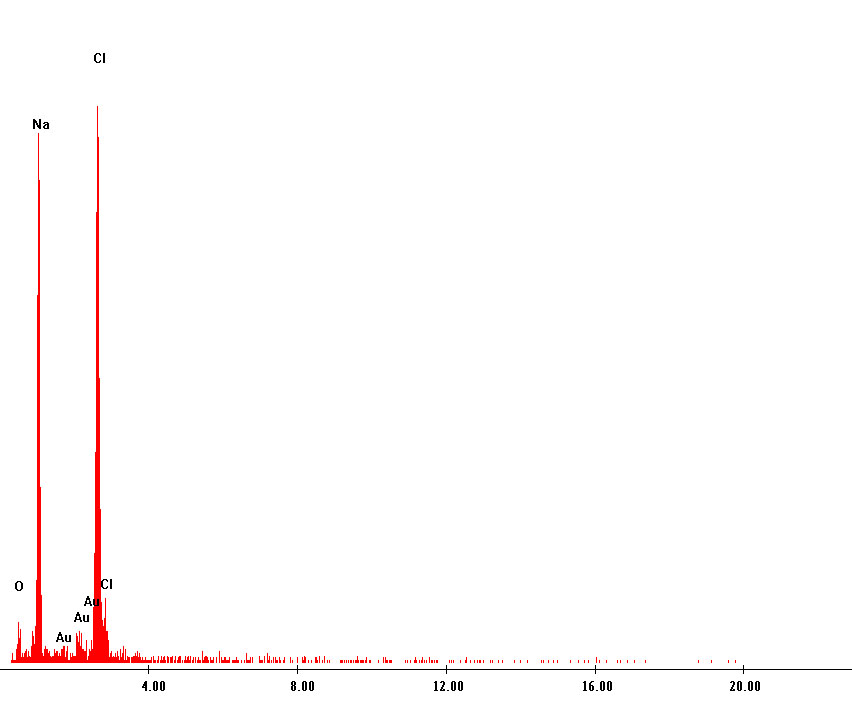
Figure 7 Analyzing of small particles on the keyboard sample via EDS.
3. Electron Interaction Modeling
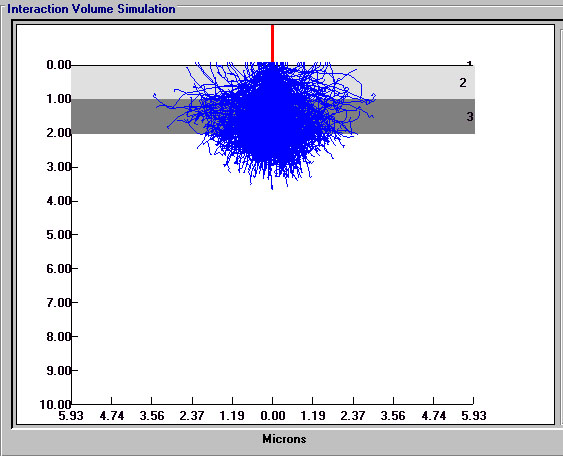
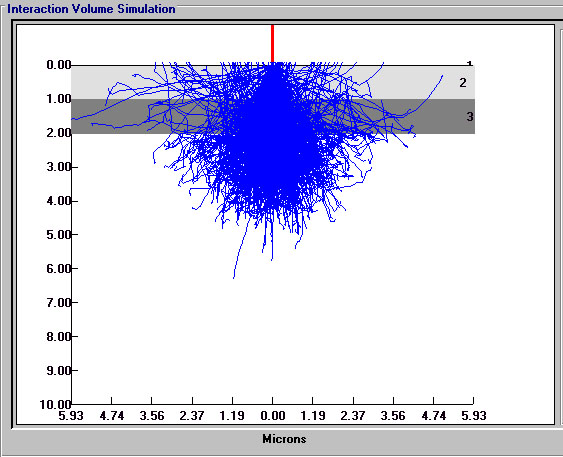
The following is an electron interaction
model of 15kV and 20 kV accelerating
voltage electron beam incident on filter paper. This model is based on
the filter paper of a layer of gold coating on the top. The
thickness of the gold coating is 80nm for the modeling. And the
substrate for the sample is Aluminum.
Figure 8(a) is the modeling result for 20 kV accelerating voltage and
Figure 8 (b) is the modeling result for 15 kV.