Biological Sample Preparation
There are number of techniques for drying biological samples in preparation for scanning electron microscopy (SEM) analyses. Two of these techniques have been carried out in this project; Hexamethyldisilizane (HMDS) and Critical Point Drying (CPD).
Critical Point Drying
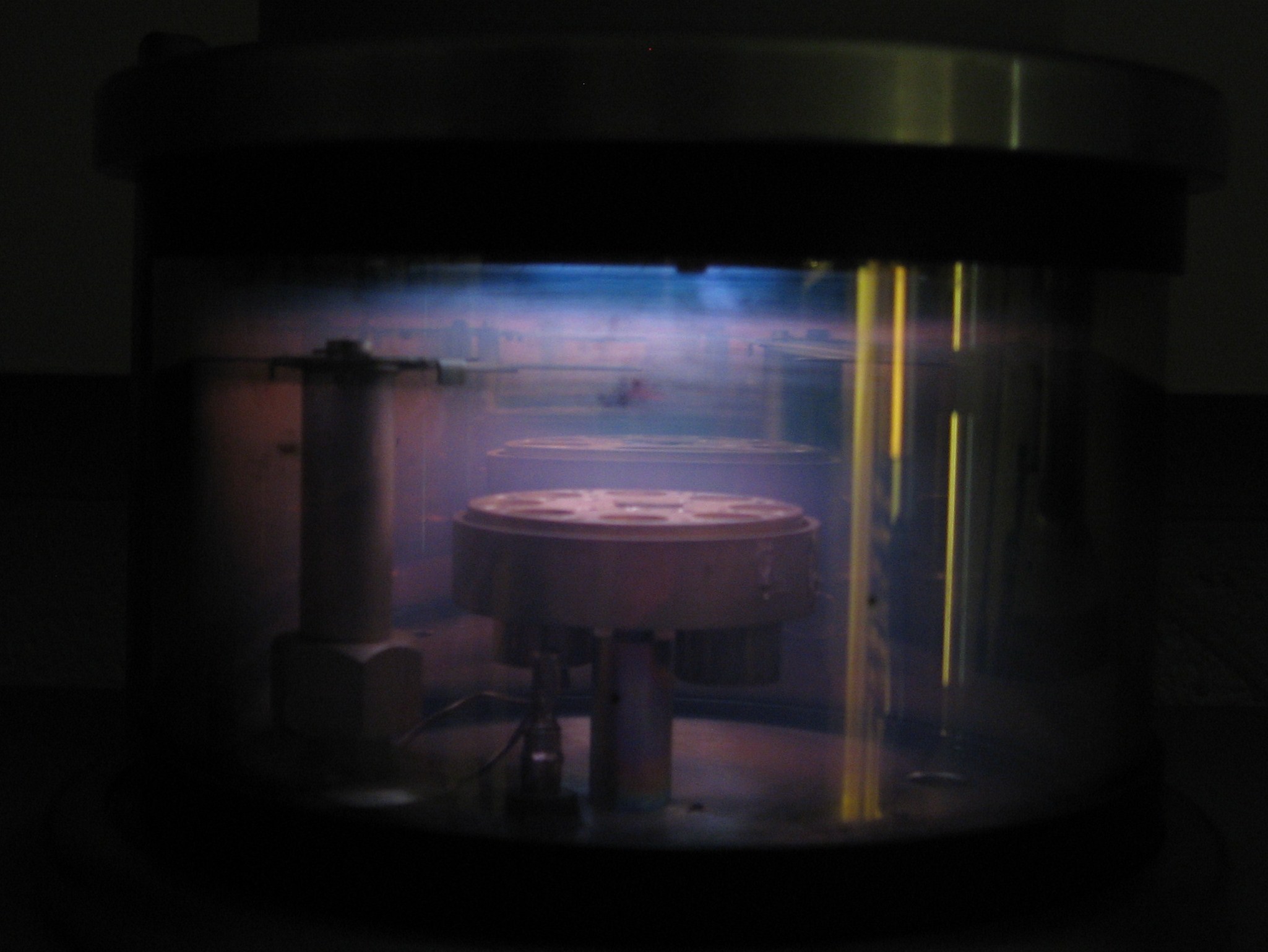
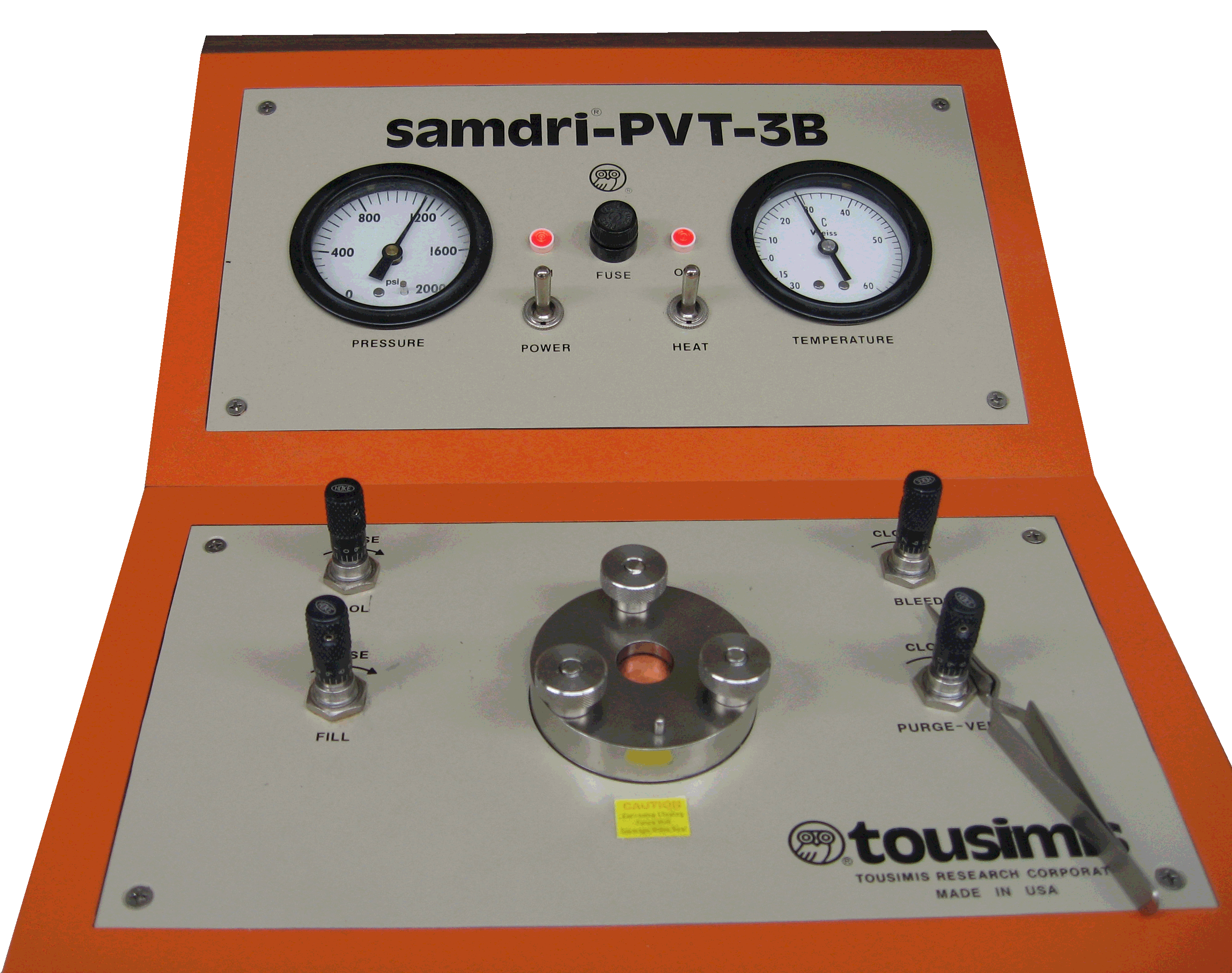
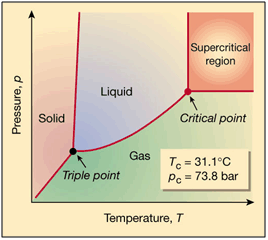 CPD goes around the critical point, and preserve the biological structures from collapse due to the surface tension of the liquid. It removes liquids from a biological specimen by adjusting the temperature and pressure so that the liquid and gas phases of the sample are in equilibrium. The sample was initially dehydrated completely in 100% ethanol, then transfer into the CPD chamber while minimizing air exposure and cooled to 0°c. Than, to pass the critical point of CO2 at approximately 1070psi, heating was necessary and the pressure was decreased to atmospheric pressure.
HMDS
Hexamethyldisilazane (HMDS) is an excellent method of chemical drying of biological specimens. Fixation and dehydration are the same for both HMDS and CPD. Once the specimen is in the final 100% ethanol, it must then be transferred to 100% HMDS through a graded series of ethanol-HMDS mixtures.
HMDS may have a significant time advantage over CPD. If more specimens are being processed that can fit in the CPD chamber, then the times in the transitional fluids and for drying will be much less than the time necessary for CPD. The greater the number of samples that can be batch processed, the greater the time advantage for HMDS.