The cardio-vascular system
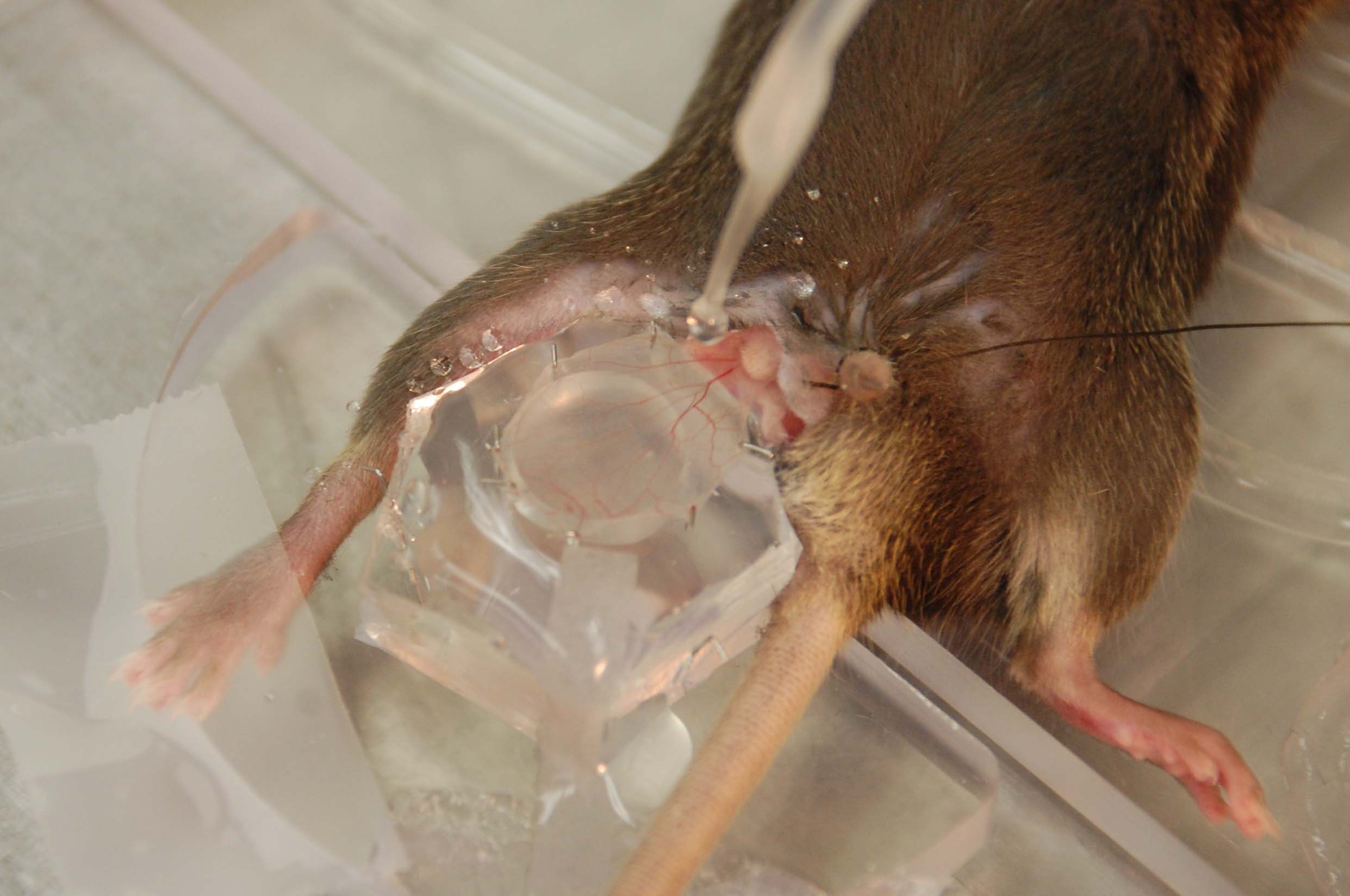
The cardio-vascular system controls and facilitates homeostatic regulation, like: body temperature, cell communication, water balance, oxygen/carbon dioxide exchange and others. In general the cardio-vascular system consist of pump (heart) and tubes (vessels), in order to provide all the described above, through the whole body. The fundamental role of the cardio-vascular system, leads to a variety of vessel diameter system throughout the body, part of them will be shown in this project – by using mouse creamaster as a model.
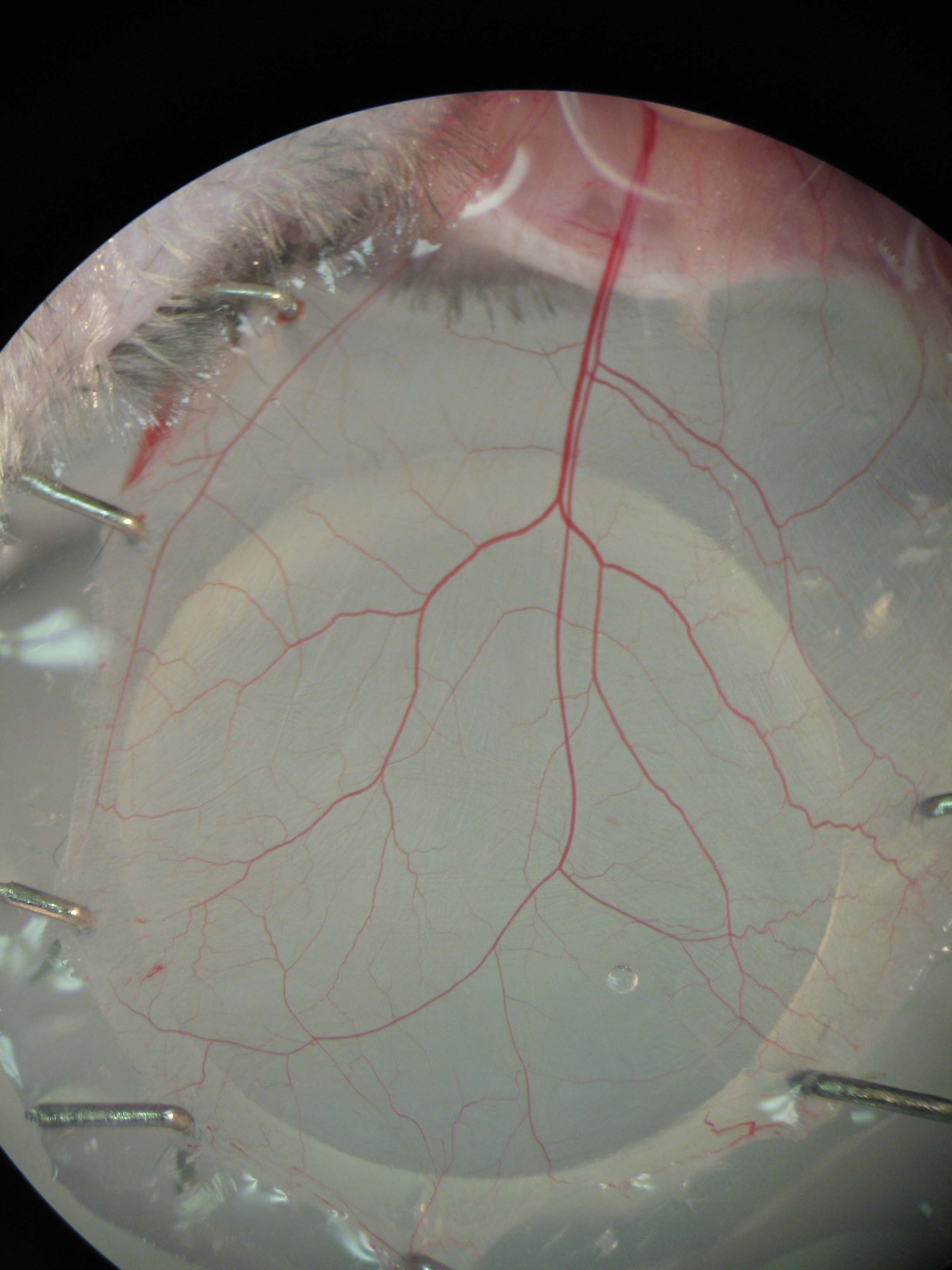
The cardio-vascular system and inflammation
During inflammatory respond to invasive antigen there are several biology-functioning changes in the vascular level; one of them is activation of leukocytes and intensive interaction with the vessels wall. In order to neutralize the invasive Antigen, and maintain safe biology atmosphere, leukocytes has to transmigrate from the blood flow into the infected tissue. Leukocytes-Endothelial Cells (inner layer of all vessels) interactions are mediated through several molecules and can be divided into three major steps: initial rolling leukocytes, leukocyte adhesion and leukocytes transmigration from the vessel into the tissue.
The Creamster tissue
The cremaster tissue is a thin layer of skeletal muscle, surrounding the testis. The mouse cremaster muscle is saturated with small blood vessels and therefore used to experiment the interactions between the white blood cells (leukocytes) and the vessel wall. Endothelial cells (ECs) line the internal surface of all blood vessels in the circularity system, forming a monolayer interface between circulating blood in the lumen and the rest of the vessel wall and the extracellular matrix that consists a loose network of collagen and other fibres1