Abnormalities and Defects
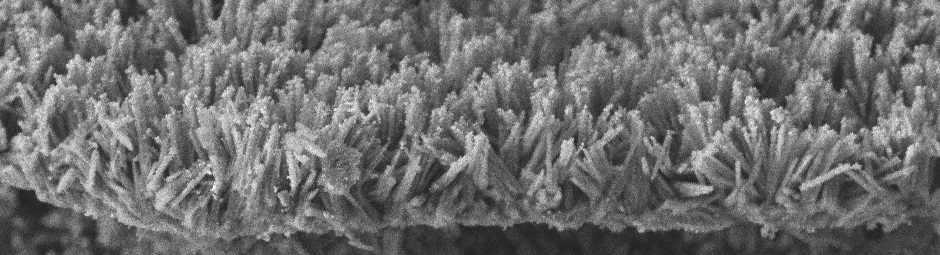
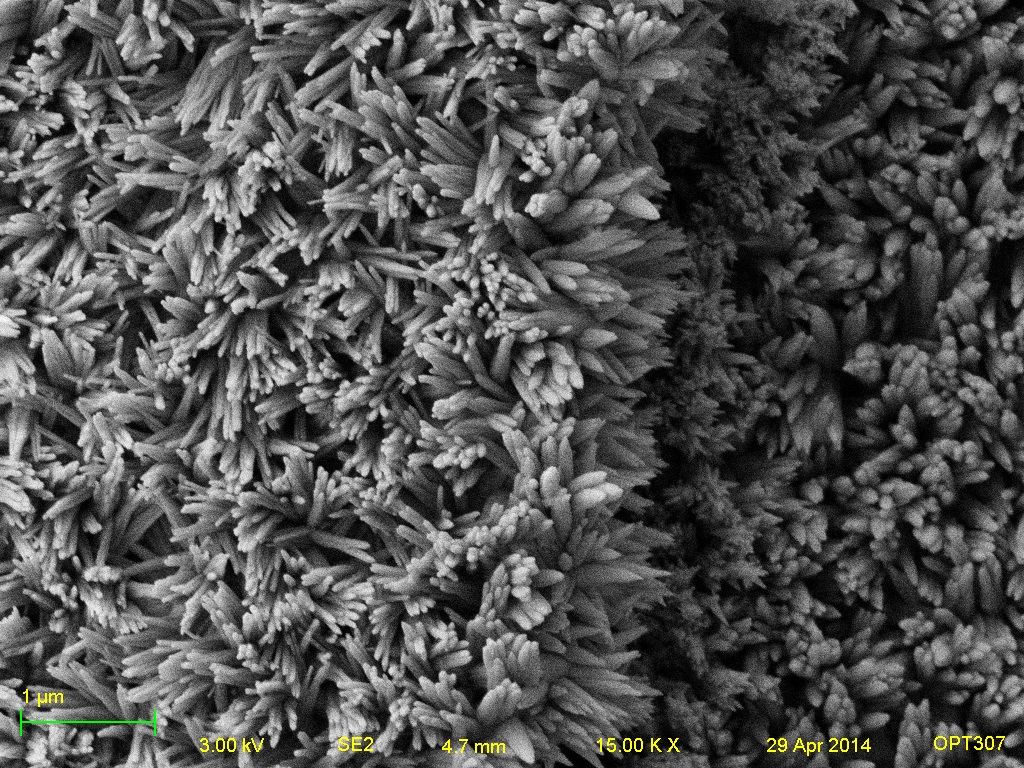
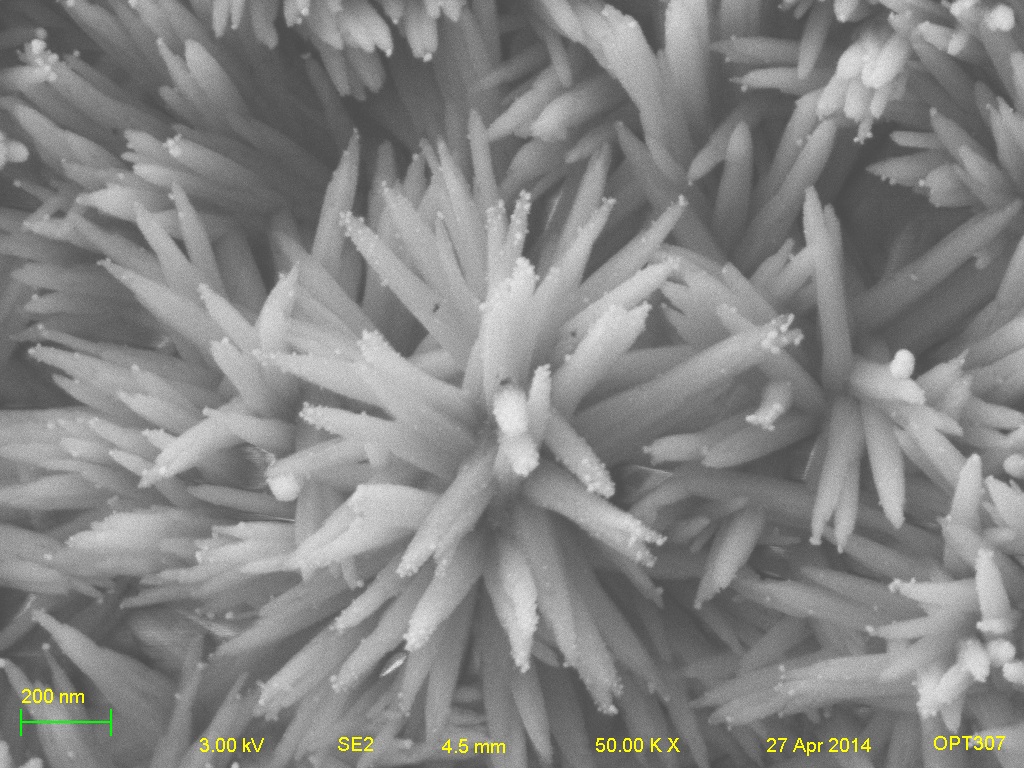
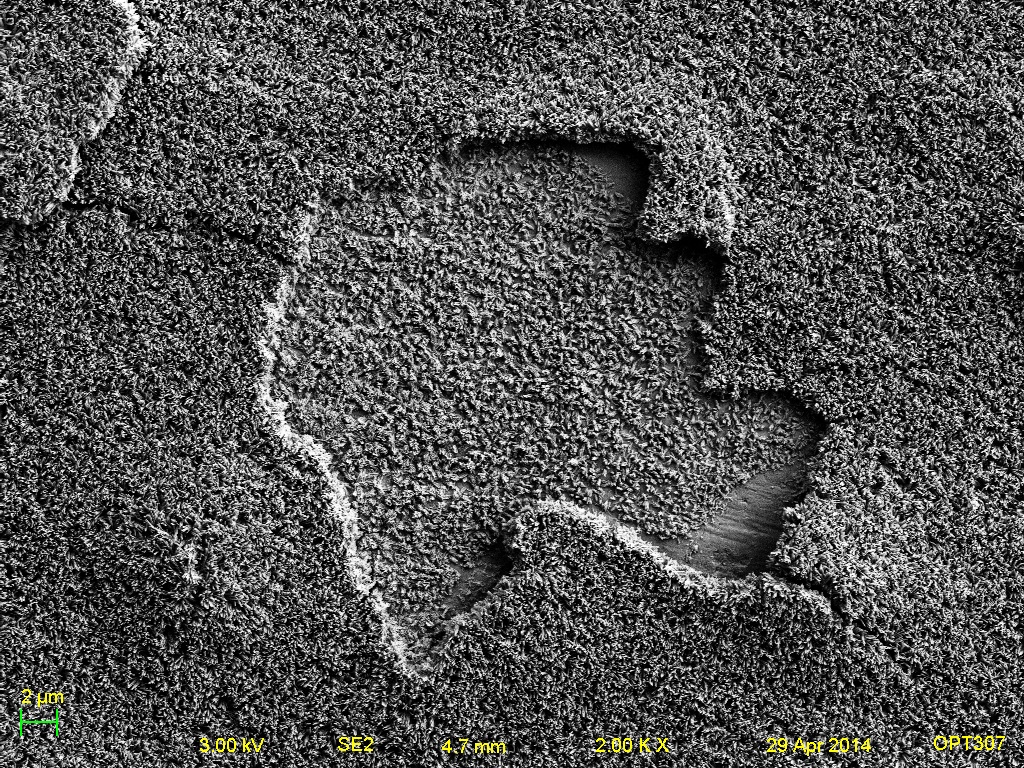
During the electrochemical deposition of the hydroxyapatite coating, occasionally, due to local variations in the process, the crystal structures and morphology are altered in some areas. Additionally, due to the release of hydrogen gas at the titanium substrate during deposition, occasionally, due to poor coating adhesion, chunks of the coating will be dislodged, allowing for new crystal growth.
 |
 |
 |
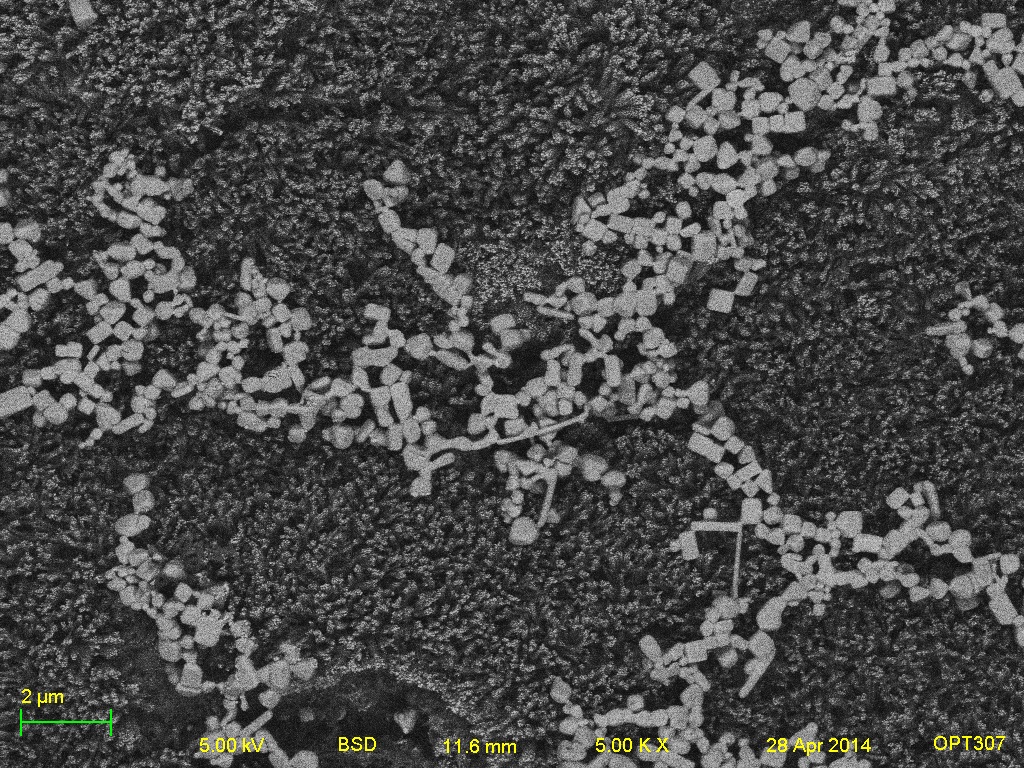
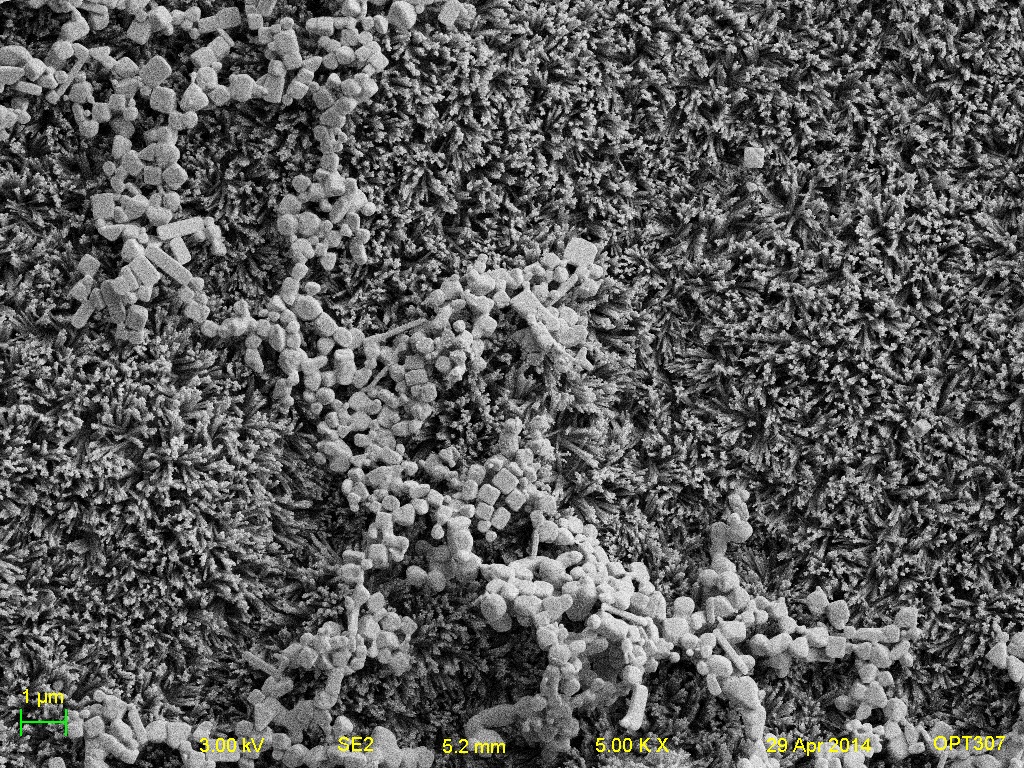
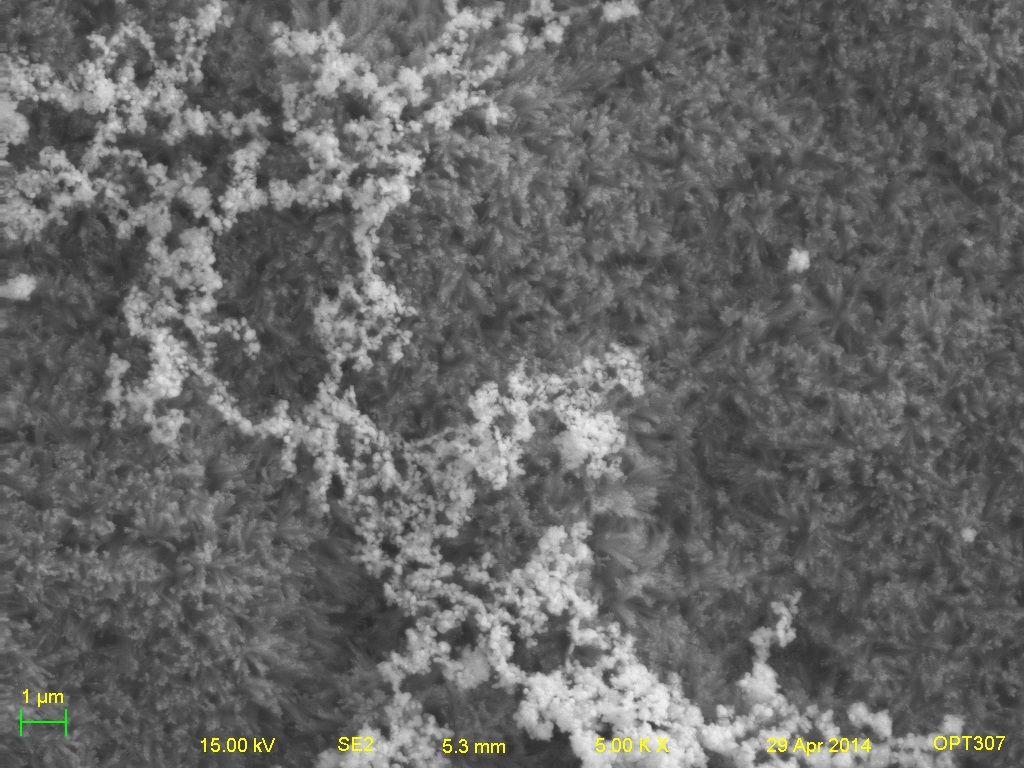
It was observed that a conglomeration of silver metal would begin to form occasionally in fractal patterns across the HAP coating surface during the electrochemical deposition of silver process.
 |
 |
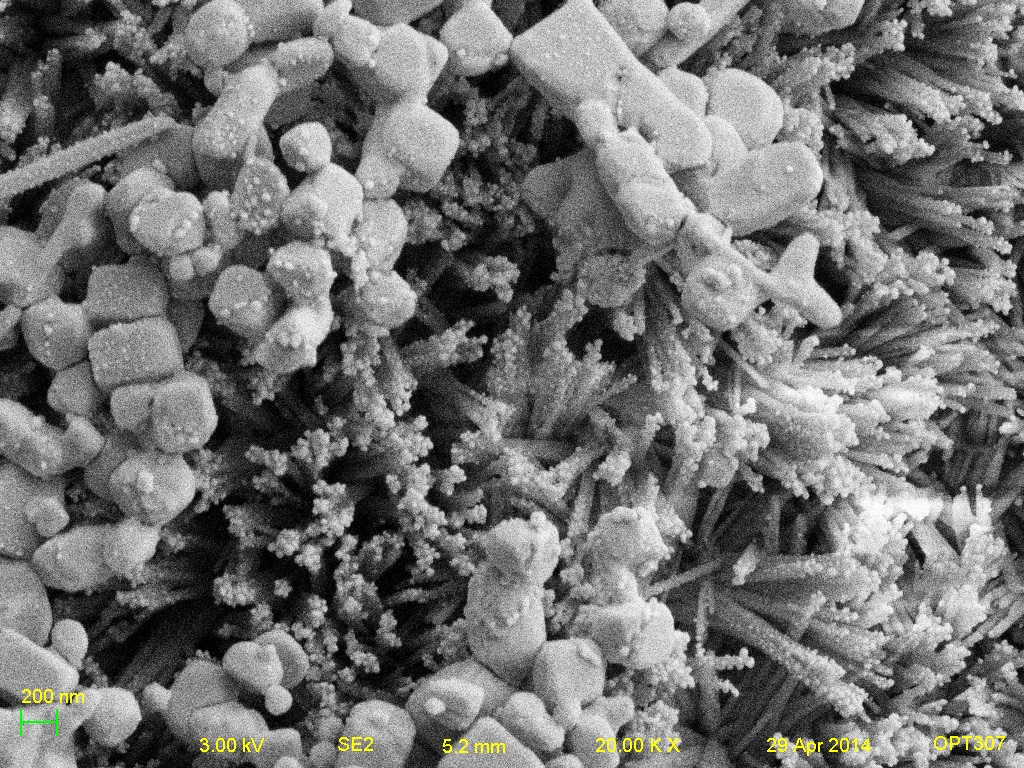 |
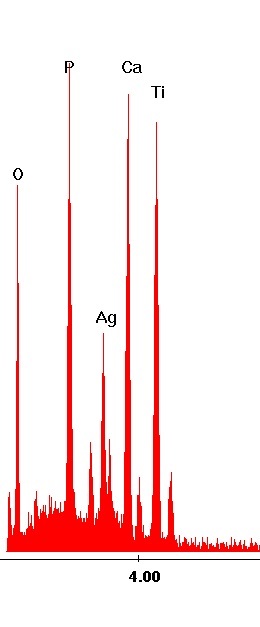
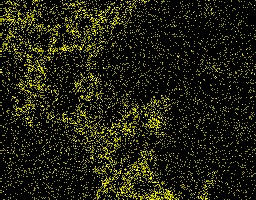
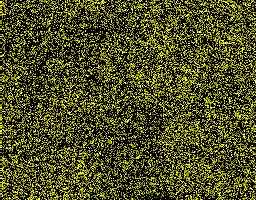
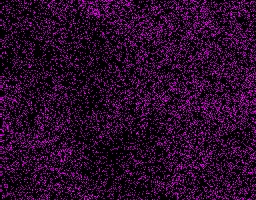
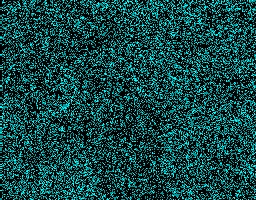
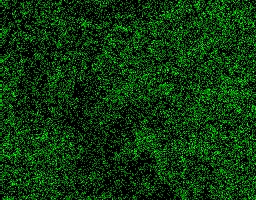
The conglomerates were verified to be silver using EDS X-Ray Spectrum Analysis and Mapping.
 |
 |
 |
 |
 |
 |
 |
The relative percentage of silver in reference to the HAP present in these areas was calculated by EDS X-Ray Microanalysis and found to be much larger than the relative percentages of silver in the uniformly deposited samples.
 |
In fact, in many of the comparisons, this conglomeration of Ag is 4-6 times more relatively abundant to its surroundings than the depositions should have been.
| Ag:O (Wt%) | Ag:P (Wt %) | Ag:Ca (Wt %) | |
|---|---|---|---|
| Deposited Ag | 0.095 | 0.32 | 0.22 |
| Sputtered Ag | 0.099 | 0.20 | 0.077 |
| Ag Conglomeration | 0.43 | 1.3 | 0.80 |
In synopsis, the electrochemical deposition process of both the hydroxyapatite and the silver nanoparticles must be explored and investigated further to achieve better uniformity.