Latest News
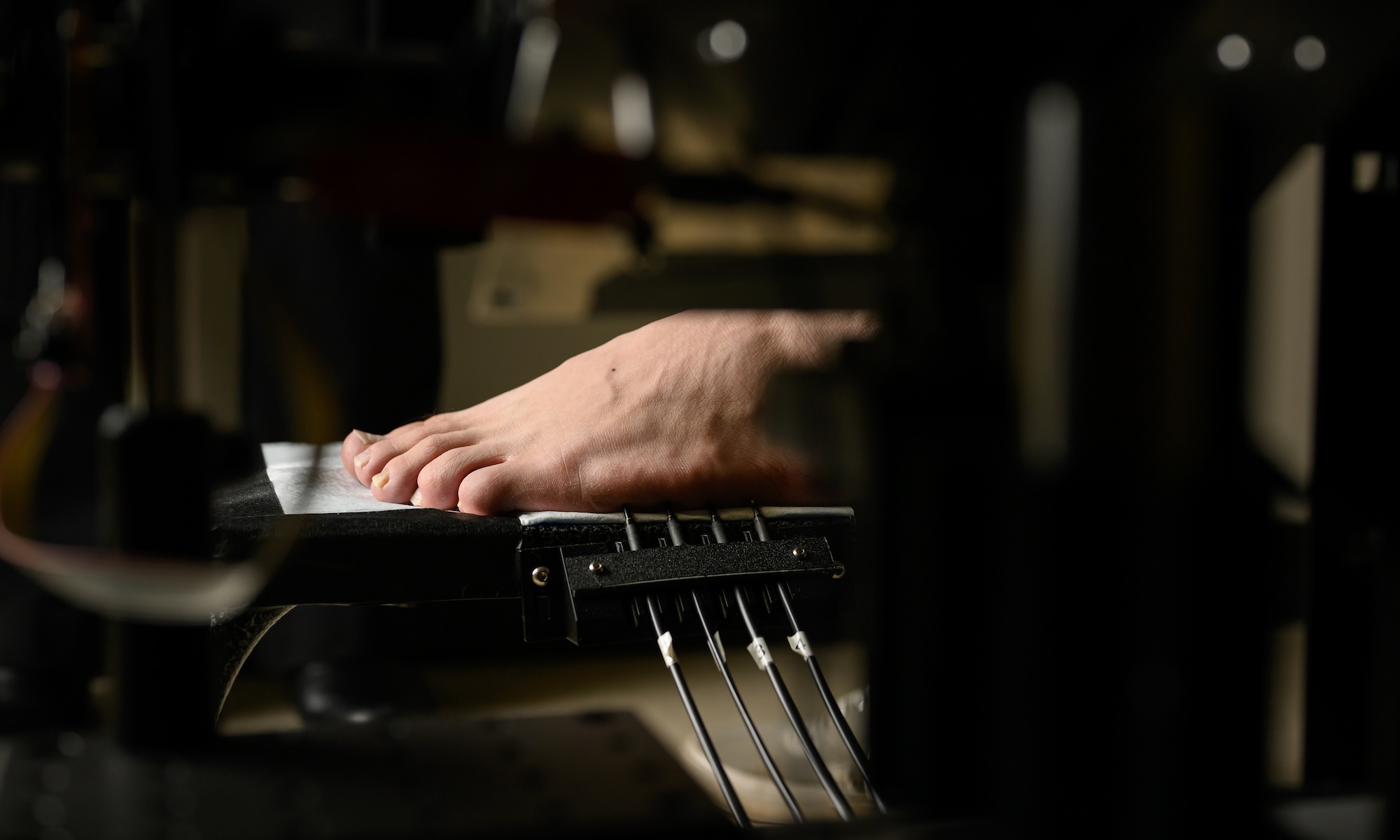
Could near-infrared light offer a better way to monitor how bones heal?
URochester researchers are developing noninvasive, light-based imaging to spot fractures that aren’t healing properly without relying on frequent X-rays.

The department offers one major—a BS in biomedical engineering, with concentrations in biomechanics, biosignals and biosystems, cell and tissue engineering, and medical optics.
Learn MoreWith access to over 40 labs across campus, students can shape their own research path—from engineering labs to clinical settings at the University of Rochester Medical Center.
Learn MoreOur researchers are at the forefront of biomedical engineering and medical technology, capitalizing on strong ties with University of Rochester Medical Center.
Learn MoreURochester researchers are developing noninvasive, light-based imaging to spot fractures that aren’t healing properly without relying on frequent X-rays.
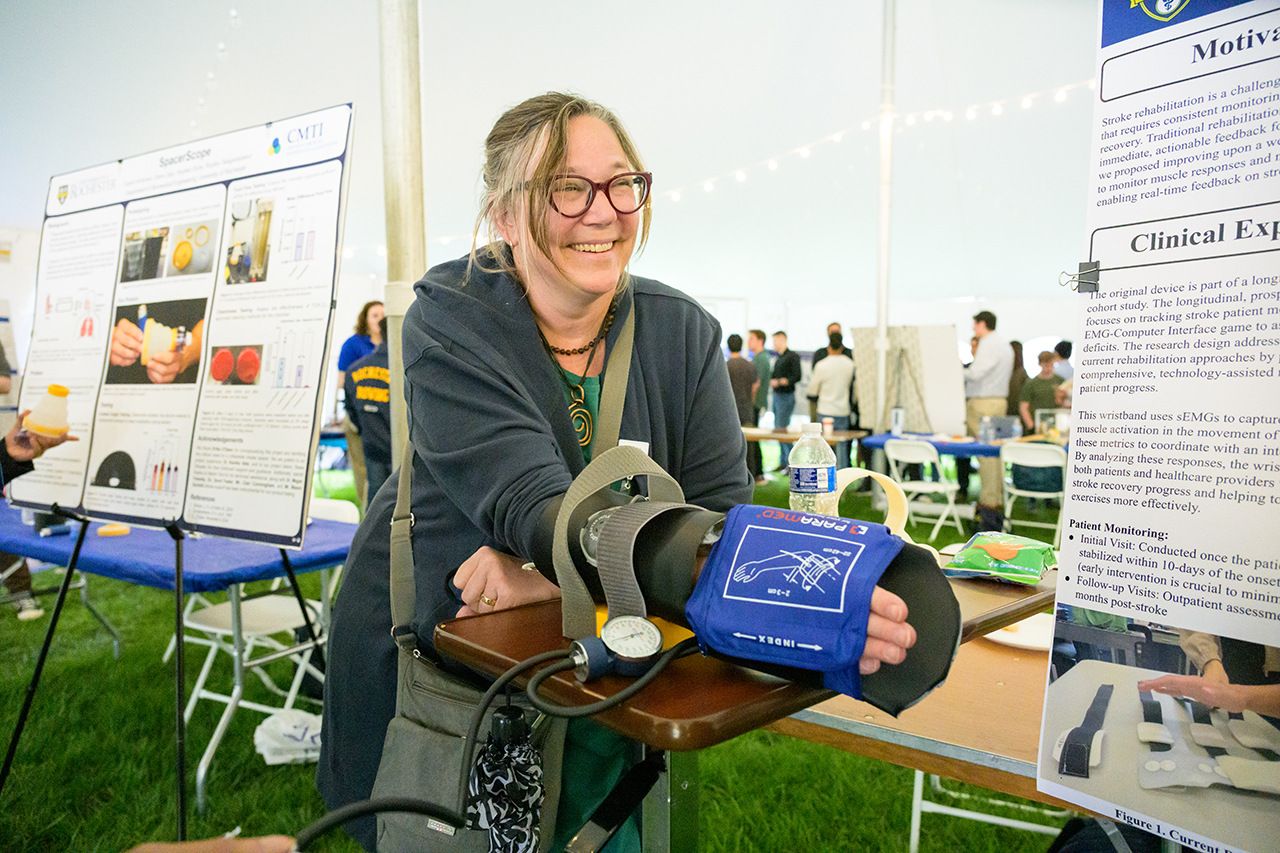
Customize your degree with a flexible curriculum focused on one of three paths. Our program combines broad foundations in biomedical engineering with opportunities for specialized study aligned with your career goals. Along the way, you’ll have close faculty mentorship and support at every step. Backgrounds welcome from engineering, biology, or related fields.
Learn about the MS programAssociate Professor Mark Buckley explains the biomechanical phenomenon known as poroelastic creep.