
The C-Posture Patient Positioner is an ergonomic cervicothoracic device that enhances the comfort of cesarean section patients while enabling rapid airway access and positioning adjustability to reflect surgical needs that may occur during cesarean delivery. Specifically, the device is capable of quickly inducing ramped positioning in the event that intubation of the patient becomes necessary.
Customers Dr. Mitchell A. Linder, M.D. and Dr. Robert Pranaat, M.D. identified several key needs that the C-Posture Patient Positioner aims to address in order to improve the surgical experiences of cesarean section patients at Strong Memorial Hospital.
The positioner:
- Permits the safe and gentle elevation of the patient’s head and shoulders.
- Is comprised of biocompatible materials.
- Remains compatible with the sterile field.
- Is reusable and may be safely and effectively reprocessed according to the customers’ preferred method of disinfection via CaviWipe™ application.
- Is easily packageable for convenient storage and transport.
- Has an intuitively operable design that ensures it is accessible to all members of a patient’s clinical care team.
- May be used to induce ramped positioning or the sniffing position in the event that intubation becomes necessary.
Background
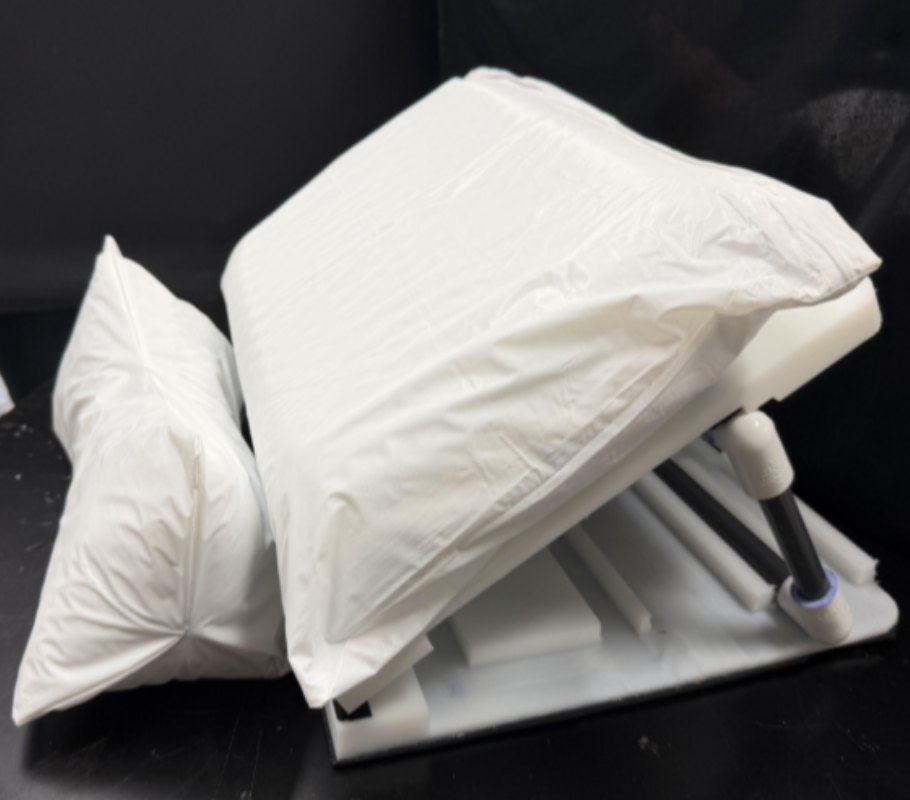
Cesarean delivery requires prolonged supine positioning, and 52.7% of patients report neck pain post-procedure due to poor support and improper alignment [11]. Although cesarean sections are the most commonly performed surgical procedure in the United States and likely globally too [12], current clinical practice is unstandardized and involves utilizing pillows, foam wedges, and straps to support and position patients. The C-Posture Patient Positioner is a manually operable class I medical device that gently elevates the patient’s head and shoulders to provide enhanced autonomy, visibility, and comfort during cesarean delivery while maintaining vital airway access.
Positioner Framework
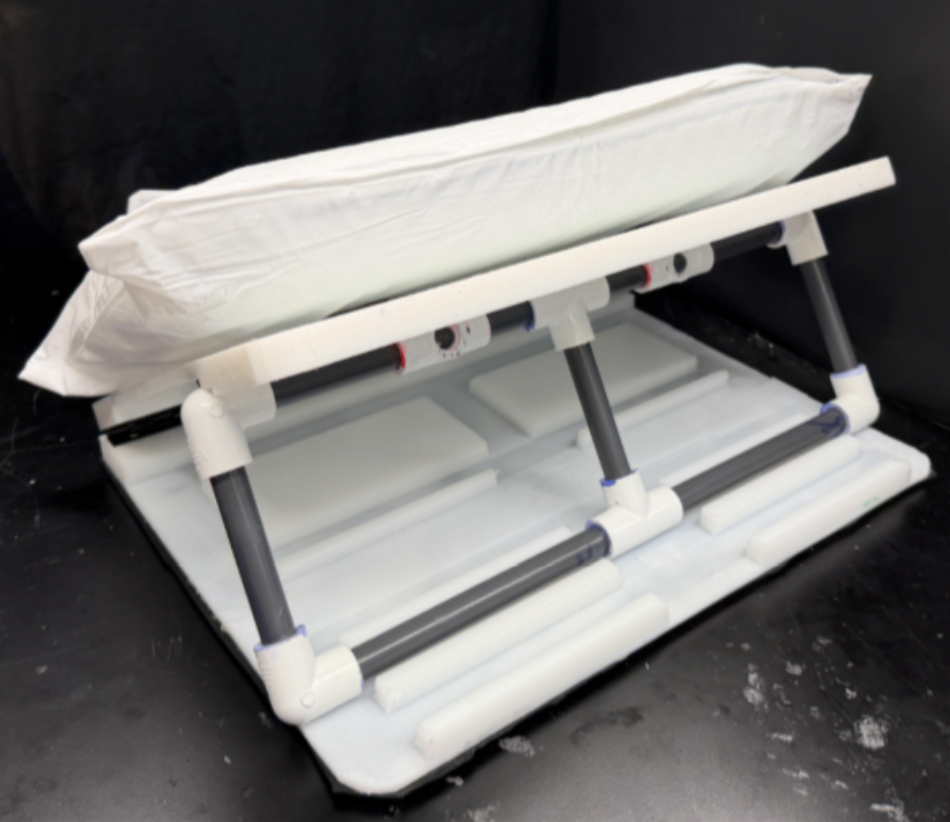
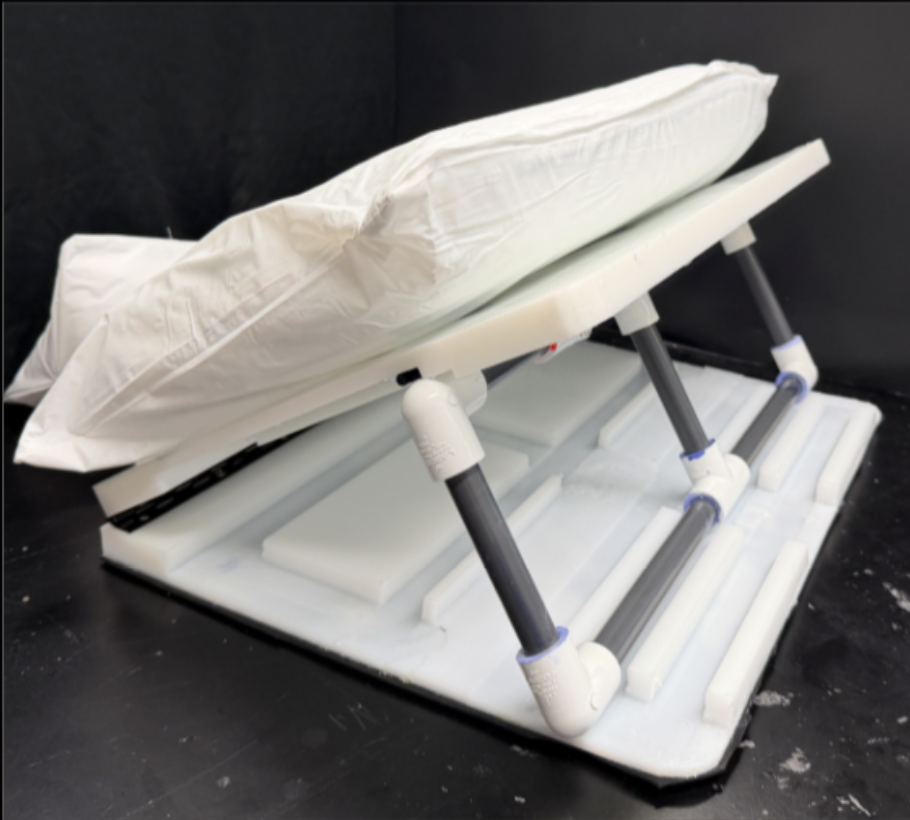
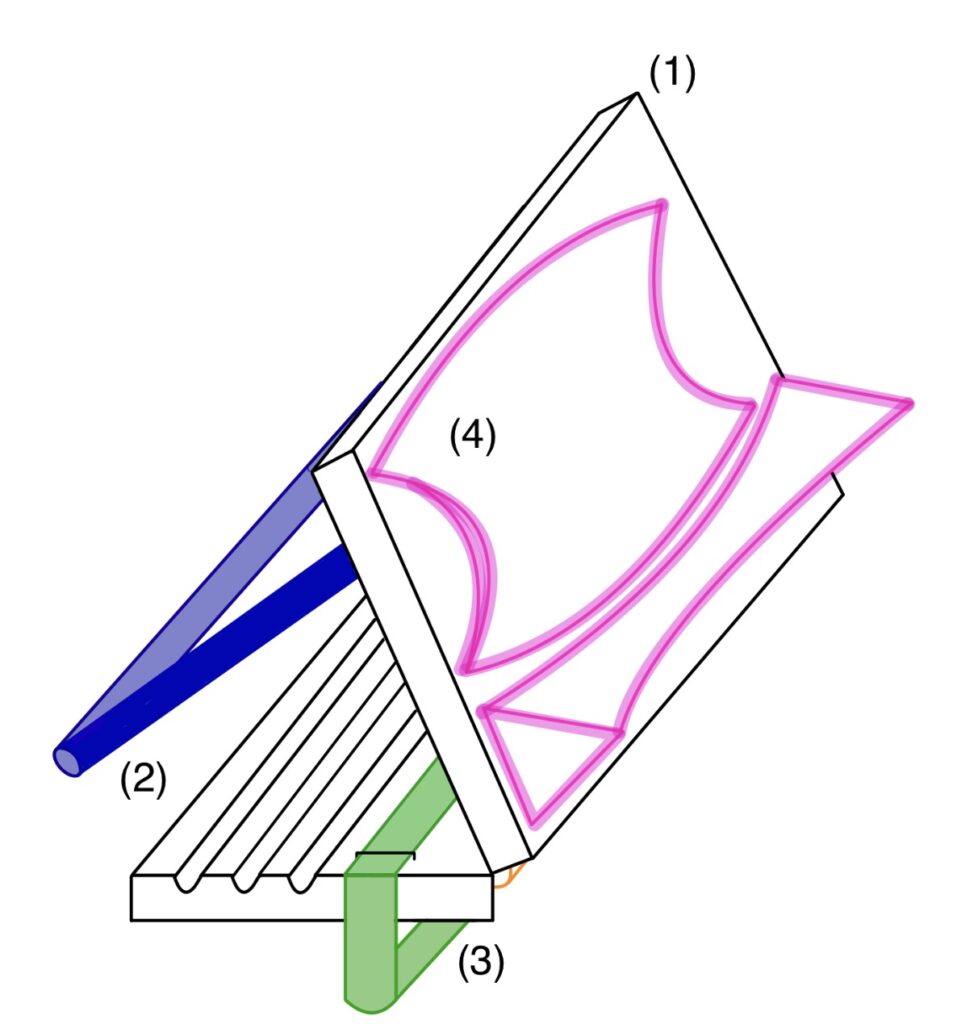
The C-Posture Patient Positioner consists of four subsystems. 1) the upper and basal panels comprise the Paneling Subsystem, 2) the adjustment bar and milled notches on the basal panel comprise the Adjustment Subsystem, 3) the neoprene sheeting on the bottom of the basal panel and the flexible strap comprise the Attachment Subsystem, and 4) the head and neck pillows encased in vinyl pillowcases comprise the Cushioning Subsystem.
Clinical Considerations
Both ramped positioning and the sniffing position may be used to safely intubate a patient. Ramped positioning is characterized by location of the external auditory meatus and sternal notch in the same horizontal plane [1], and the sniffing position is characterized by neck flexion at 35° and a 15° head extension at the atlanto-occipital joint [2]. Current clinical practice involves packing towels and pillows under the patient’s occipital region and cervical spine to tip their head back into appropriate intubation positioning. The C-Posture Patient Positioner includes a separate bolster neck pillow that may be used to induce appropriate positioning.
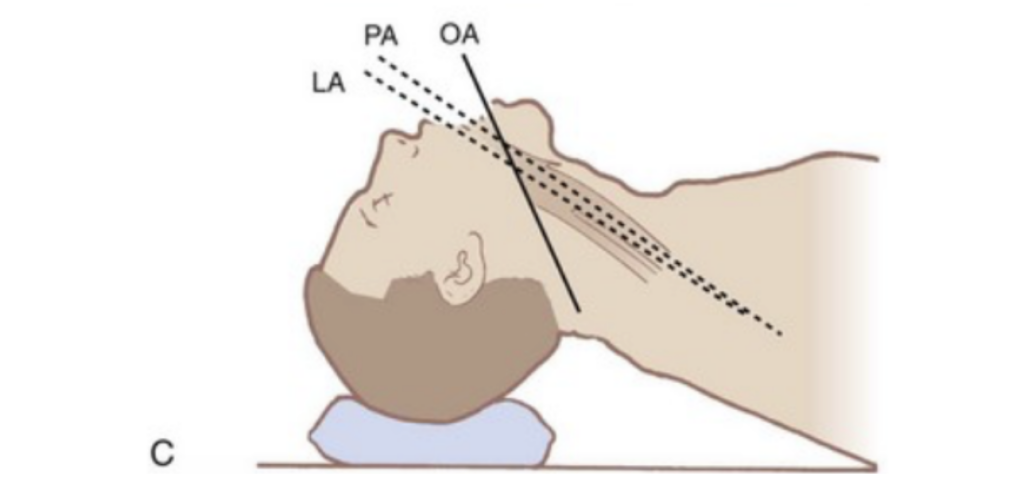
The sniffing position [3] is induced in order to appropriately align the patient’s airways and prepare them for safe intubation; it arrives the patient at alignment of the laryngeal and pharyngeal airway access points.
The parts of the device that make contact with patient skin are composed of HDPE and vinyl, which are famously biocompatible and suitable for regular and repeated disinfection with CaviWipes™, the preferred reprocessing technique used at Strong Memorial Hospital.
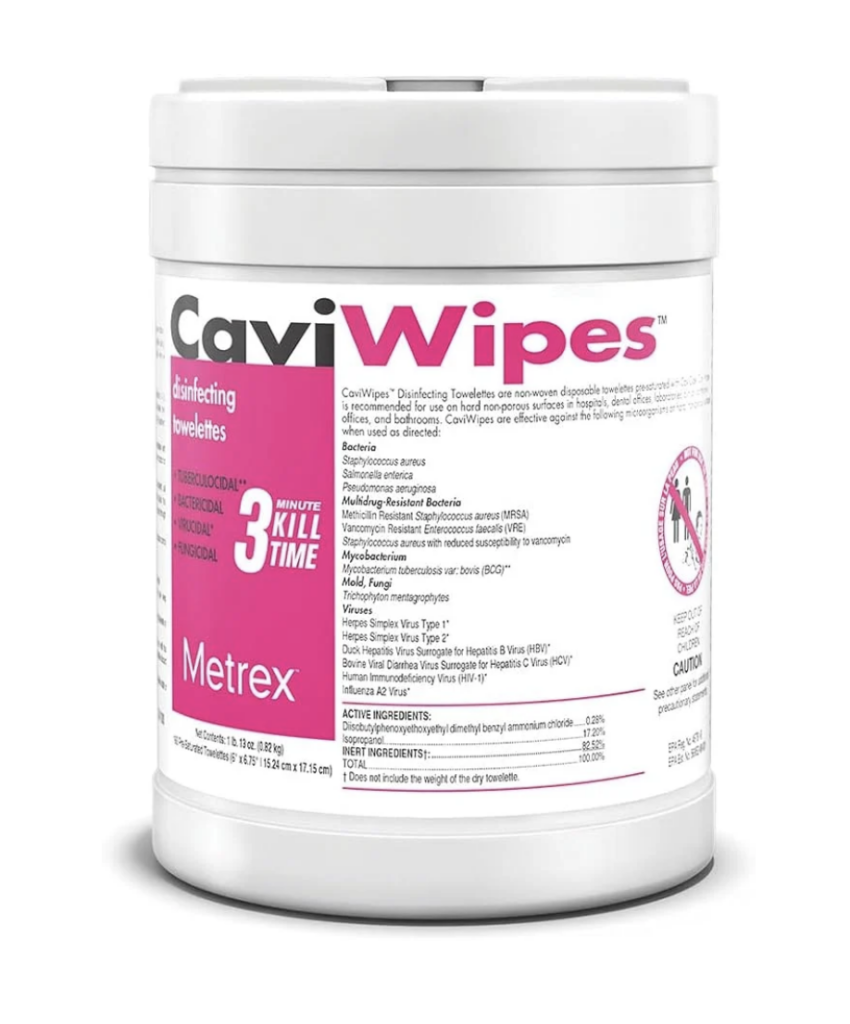
To reprocess the device, disinfection via the correct application of a fresh, properly stored CaviWipe™ [4] should be performed.
Clinical Scenario
After receiving an epidural, the patient will lie supinely on the operating table while the sterile field is prepared. At this time, they will engage with the C-Posture Patient Positioner for the first time, as they will undergo initial positioning according to their specifications and individual comfort. They may wish to continue lying supinely during the operation, or they may desire a gentle elevation of their head and upper shoulders. After about ten minutes, the patient’s baby is born, and they may wish to be elevated to attain a better vantage point of the birth as well as to have more autonomy during the Golden Hour, the critical period of bonding that occurs after birth during which skin-to-skin contact between the birthing parent and their baby is integral. For the last 45 minutes of the procedure, the patient may wish to adjust their positioning to attain maximal comfort while interacting with their baby and their support person. Once the procedure is completed, the patient is transferred from the operating table to a gurney for transport to a recovery room [5,6,7].
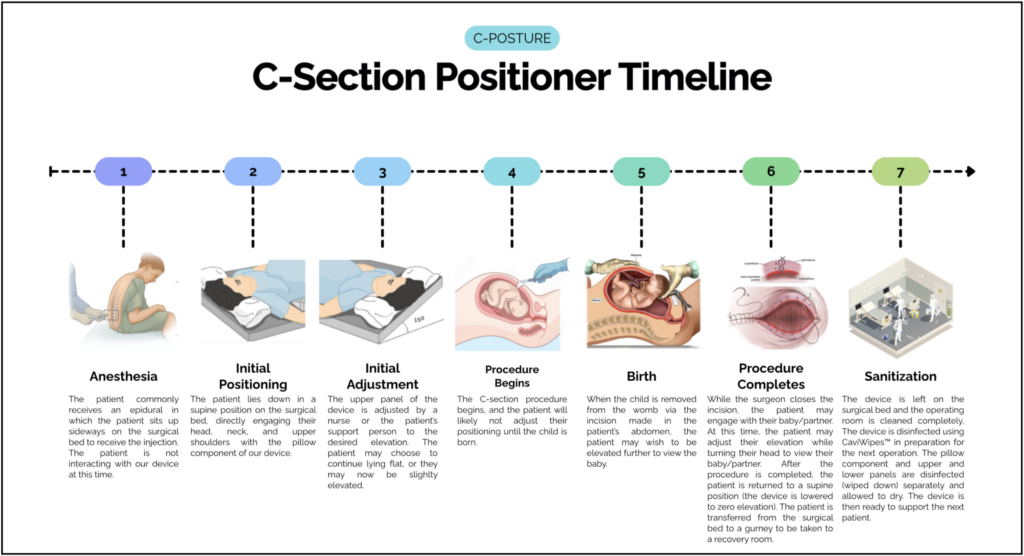
In an emergent situation in which the patient needed to be intubated, the C-Posture Patient Positioner would be lowered completely to an elevation angle of zero degrees, and the bolster neck pillow would be drawn up and under the patient’s head to tilt their head back in order to induce ramped positioning or the sniffing position. At the same time, the separate head pillow would be extracted from under the patient’s head to help facilitate safe and effective intubation positioning.
Fabrication
High density polyethylene (HDPE) was used to construct the basal and upper panels of the device, and foam pillows were encased in vinyl pillowcases. Both HDPE and vinyl have longstanding histories of safe and effective use in clinical applications, and the scientific community regards synthetic polymers as highly biocompatible. These two core materials were specifically selected for their safety and durability. HDPE and vinyl are both non-absorbent and resistant to degradation after disinfection [8,9].
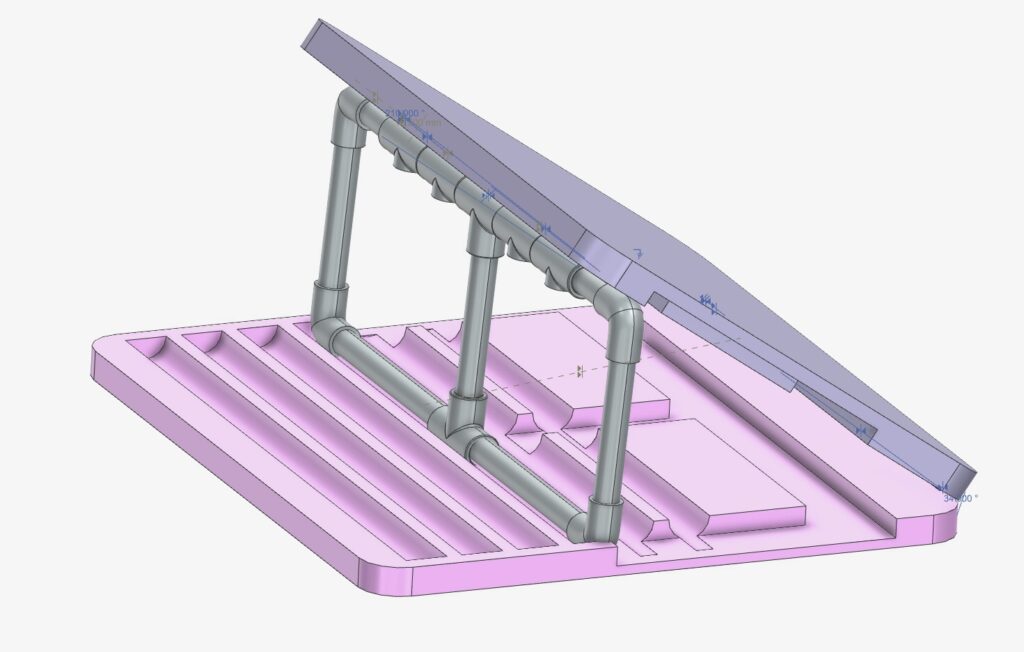
The basal and upper HDPE panels were machined using a vertical manual milling machine. Notches were created in the basal panel to interface with the adjustment bar, along with recessed features in both panels that house the adjustment bar when the device is in the zero-degree position. The adjustment bar is constructed from five polyvinyl chloride (PVC) pipes, joined with 90-degree elbow and tee fittings and secured using PVC adhesive.
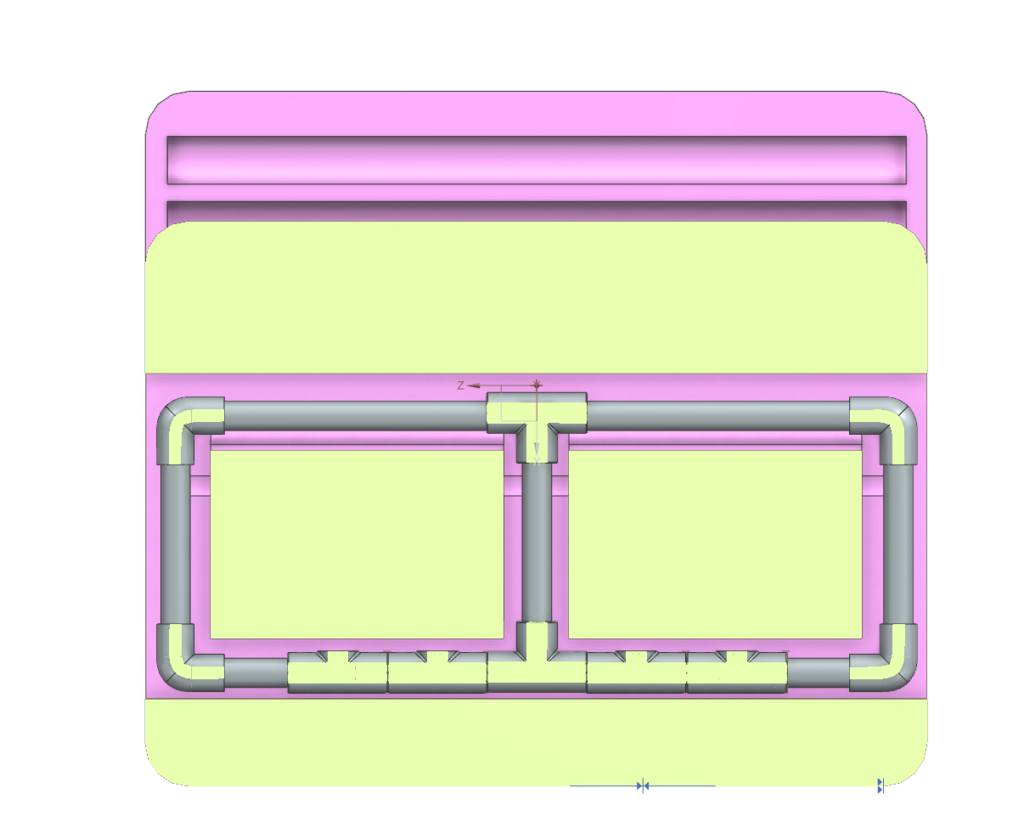
When the device is in the zero-degree elevation position, the PVC adjustment bar fits within the recessed upper and basal panels, such that the upper panel can lie flat against the basal panel. Notches milled into the basal panel articulate with the lower horizontal segment of the adjustment bar to prop up the upper panel at the desired elevation.
Design Validation
ADJUSTMENT BAR BUCKLING ANALYSIS
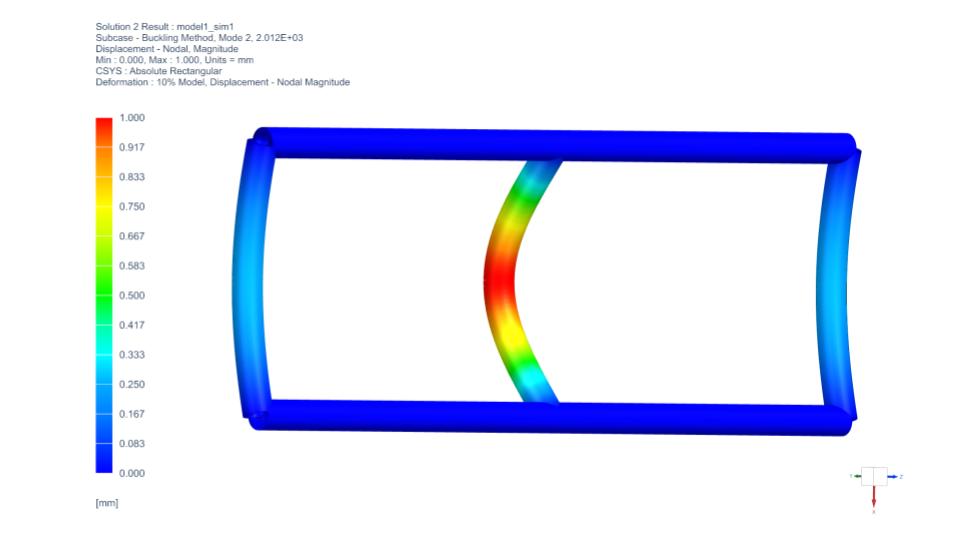
Finite element analysis (FEA) deformation map of the adjustment bar system under uniform loading, with the color bar indicating displacement magnitude.
A finite element model (FEM) was developed in NX to simulate loading of the adjustment bar system. A linear buckling analysis was conducted to evaluate potential instability modes. For simplicity, the load was assumed to be uniformly applied to the top portion of the adjustment bar, where it interfaces with the upper panel, representing how the system is expected to be loaded during clinical use. The analysis predicts a critical buckling load of approximately 2,000 lbs.
BIOCOMPATIBILITY ASSESSMENT
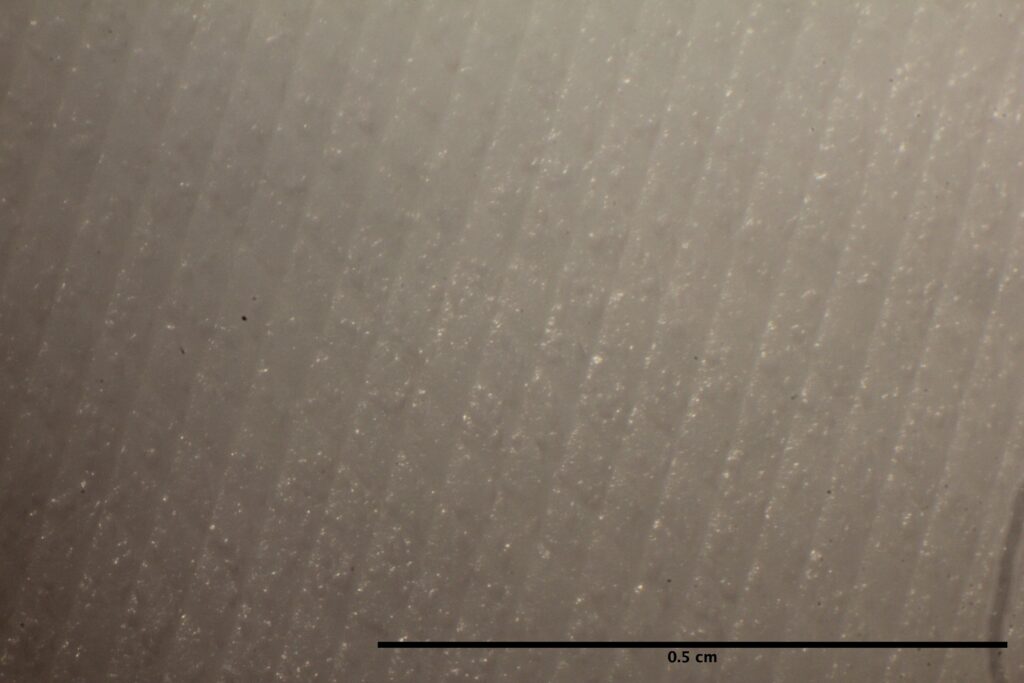
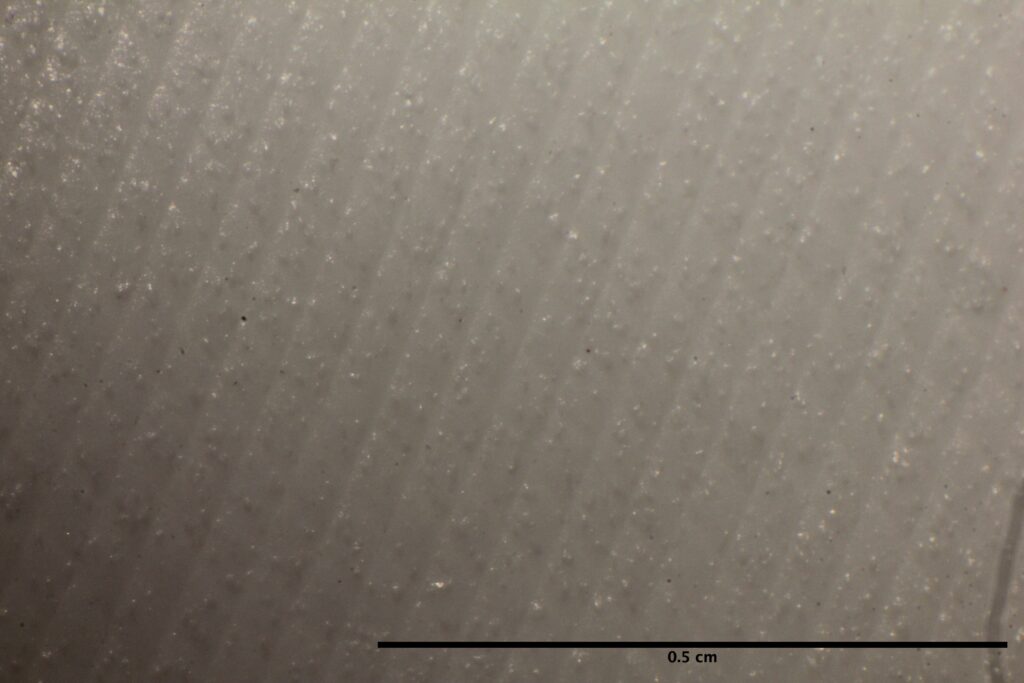
A small round of the vinyl pillowcase material was exposed to 1,000 passes with an Oxivir® Tb Wipe. Oxivir® Tb Wipes have an active ingredient of hydrogen peroxide, which is a more stringent disinfectant than CaviCide™ [10], which has a primary active ingredient of isopropanol. Hydrogen peroxide is capable of killing spores, which isopropanol is ineffective against. Microscopic imaging of the vinyl pillowcase round before and after Oxivir® Tb Wipe exposure revealed no discernible signs of material degradation.
CLINICAL COMFORTABILITY TESTING
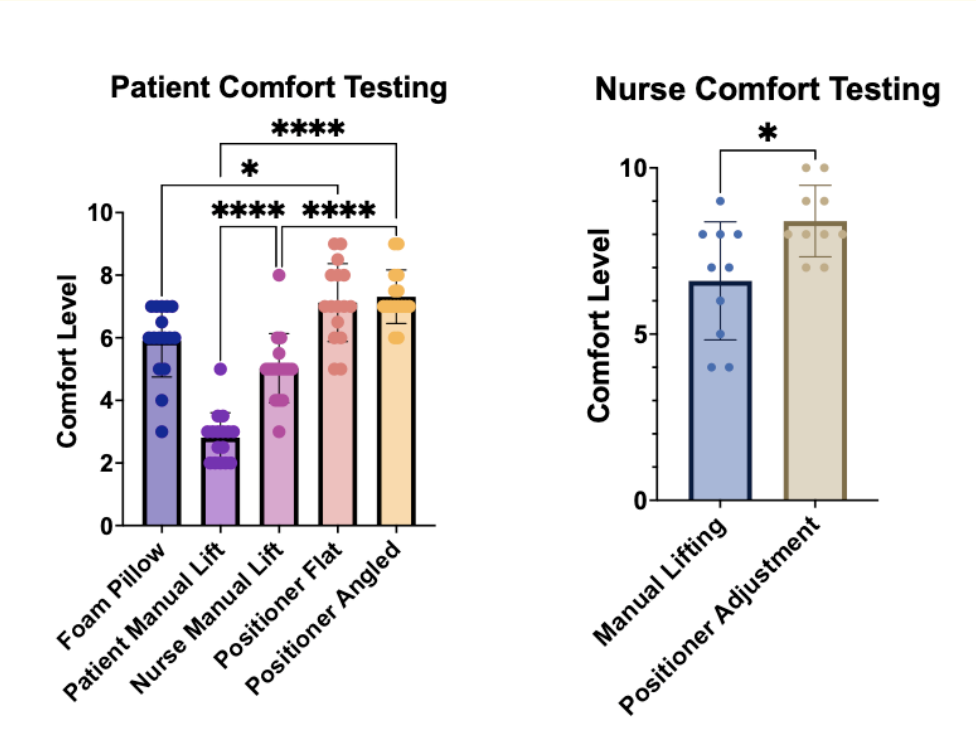
Volunteers were recruited from within the Biomedical Engineering Department at the University of Rochester to test the C-Posture Patient Positioner and evaluate its comfortability and usability. Volunteers tested the device within the context of two distinct end-user roles: the patient and the nurse. Volunteers first tested the device as the patient (center, lying on the bed) and then as the nurse (right, standing behind the C-Posture Patient Positioner) and rated their comfort while using the device on a scale from 1 to 10, with 1 being unbearably uncomfortable and 10 being extremely comfortable.
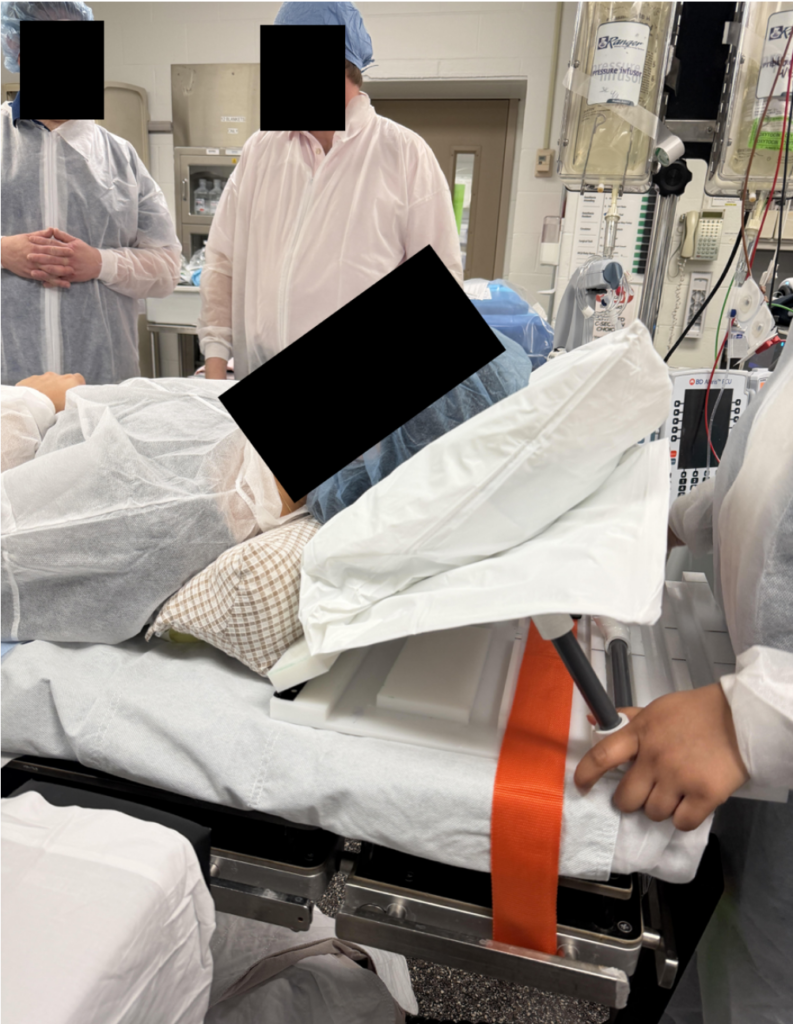
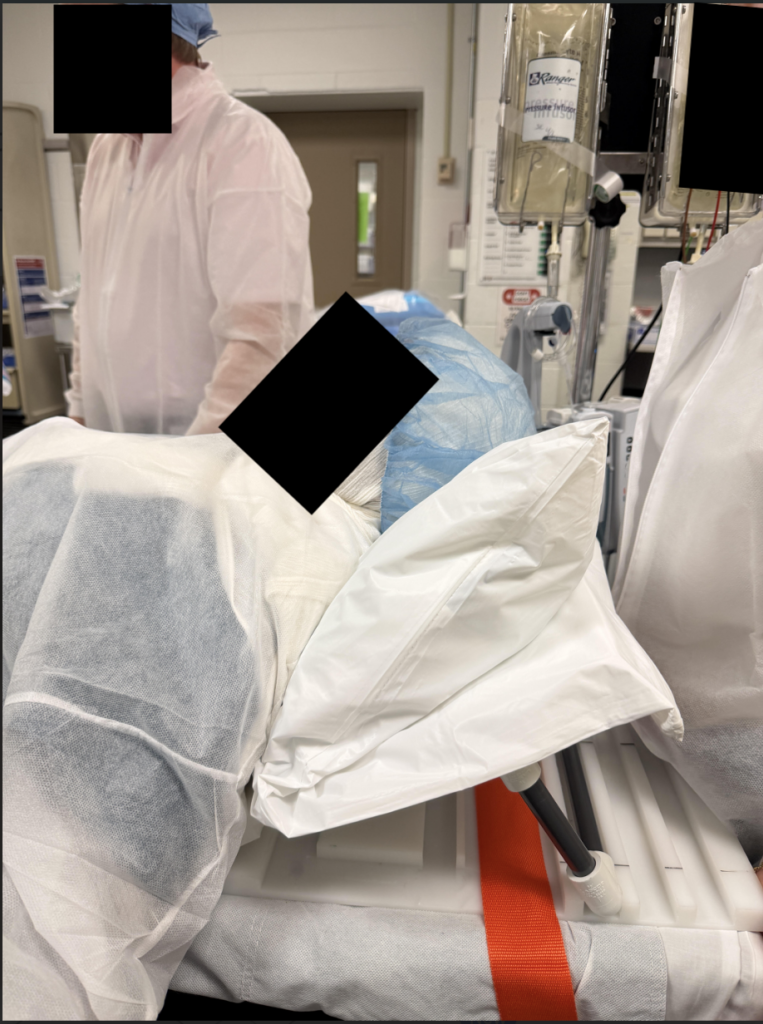
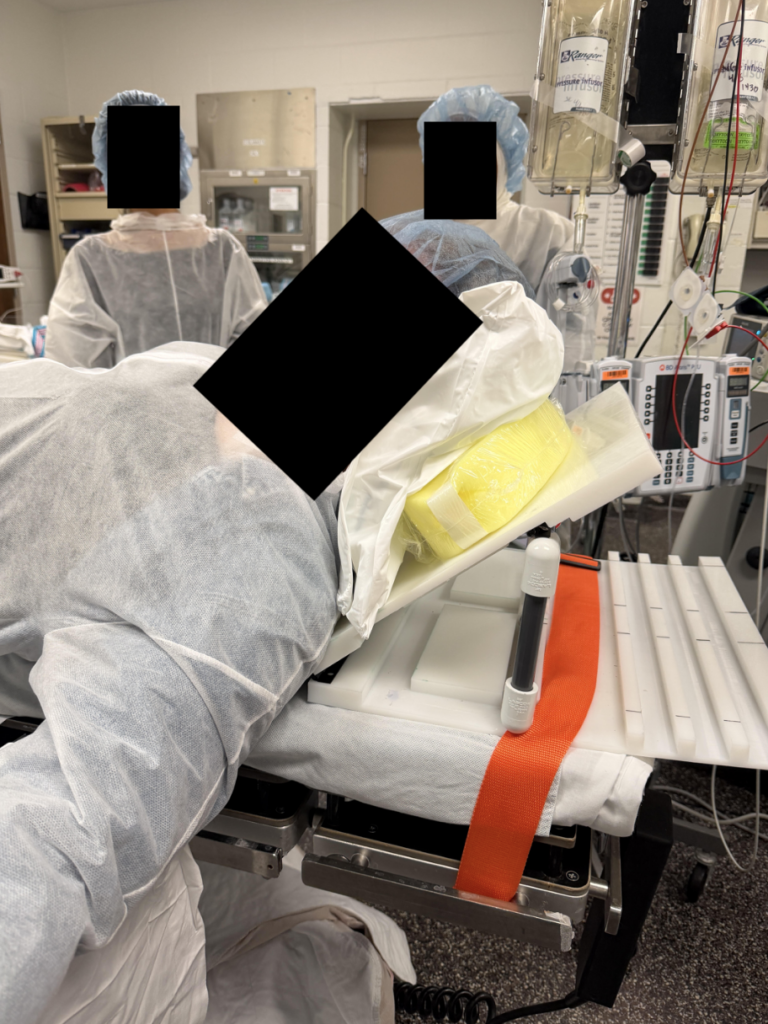
Statistical analysis was performed on the comfort rating results and revealed that head elevation using the C-Posture Patient Positioner was statistically significantly more comfortable for the “patient” volunteers than manually lifting the head either by oneself or with the assistance of the “nurse” volunteer. For the “nurse” volunteers, using the C-Posture Patient Positioner was also statistically significantly more comfortable than manually elevating the “patient” volunteer’s head.
Future Directions
Potential improvements to enhance the user experience include: 1) adding a handle for ease of operation, 2) establishing a more comprehensive cushioning system by introducing more pillow variety, 3) enabling a greater range of motion for the adjustment bar by adjusting hinge placement, and 4) including a latch such that the basal and upper panels may be securely closed when the positioner is lying flat for ease of transport and storage.
Design Team

References
- Okada, Y., et al. (2021). The American Journal of Emergency Medicine 44: 250-256.
- Myatra, S.N. (2019). Journal of Anesthesiology Clinical Pharmacology 35(3): 289-291.
- Stone, D.J. & Gal, T.J. (2000). Anesthesia 5: 1419.
- CaviWipes. (2026). www.thecaviwipes.com
- Made For This Moment. (2024). www.madeforthismoment.asahq.org
- UpToDate. (2026). www.uptodate.com
- HoverTech International. (2020). www.hovertechinternational.com
- Paxton, N.C., et al. (2019). European Polymer Journal 118: 412-428.
- Diers, P. (2024). www.vinylinfo.org
- CDC. (2024). Guideline for Disinfection and Sterilization in Healthcare Facilities.
- Asif, A., et al. (2023). The Healer Journal of Physiotherapy and Rehabilitation Sciences 2(4): 271-278.
- Sung, S. & Mahdy, H. (2023). National Library of Medicine.
Acknowledgements
The C-Posture Team would like to offer its thanks to the following individuals for their invaluable support in realizing the C-Posture Patient Positioner:
Machining Assistance: Martin Gira & James Alkins
Design Input: Customers Dr. Mitchell Linder, M.D. and Dr. Robert Praanat, M.D. | Faculty Supervisor Dr. Whasil Lee | Project Management Liaison Isabella Smith | Course Instructors Dr. Scott Seidman and Dr. Benjamín Castañeda
CAD/NX Assistance: Alexander Lee, Miles Owens, Bridgit Nguyen & Kaan Aytekin