1. Current Year Programs
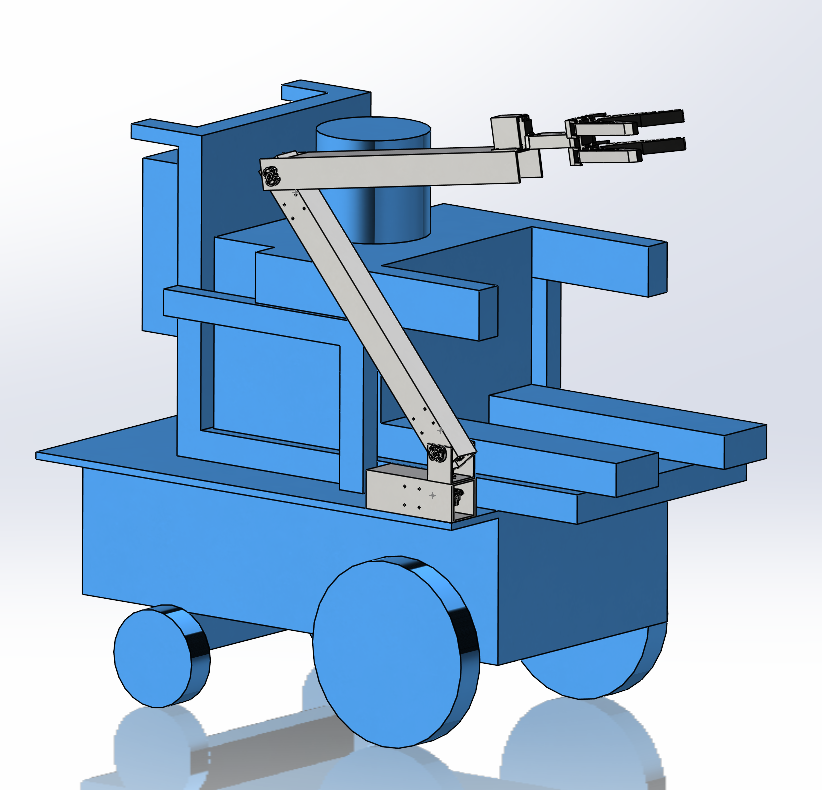
Open Hardware Assistive Reach Mechanism for Use with Wheelchairs
Our goal was to develop an open-hardware assistive reach device to help individuals with mobility-limiting disabilities be more independent.

Our goal was to develop an open-hardware assistive reach device to help individuals with mobility-limiting disabilities be more independent.
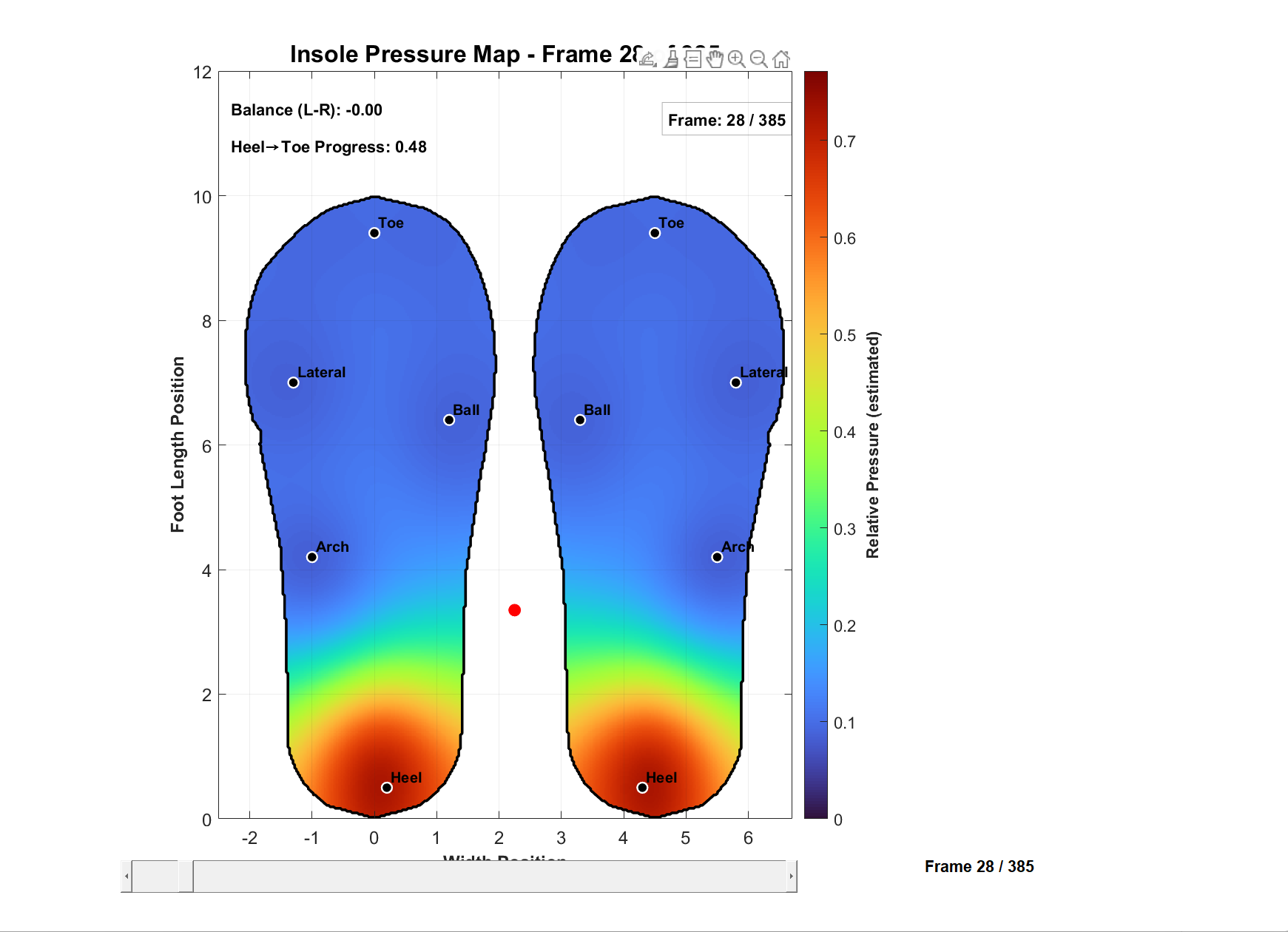
Project Outline Our Performance Analysis Shoe consists of 5 piezoresistive sensors that alter resistance based on pressure and are connected in series with a known voltage value. We utilize an…
Piezoresistive Sensors utilized to acquire and analyze pressure distribution data for athletic performance, rehab, and balance/gait issues.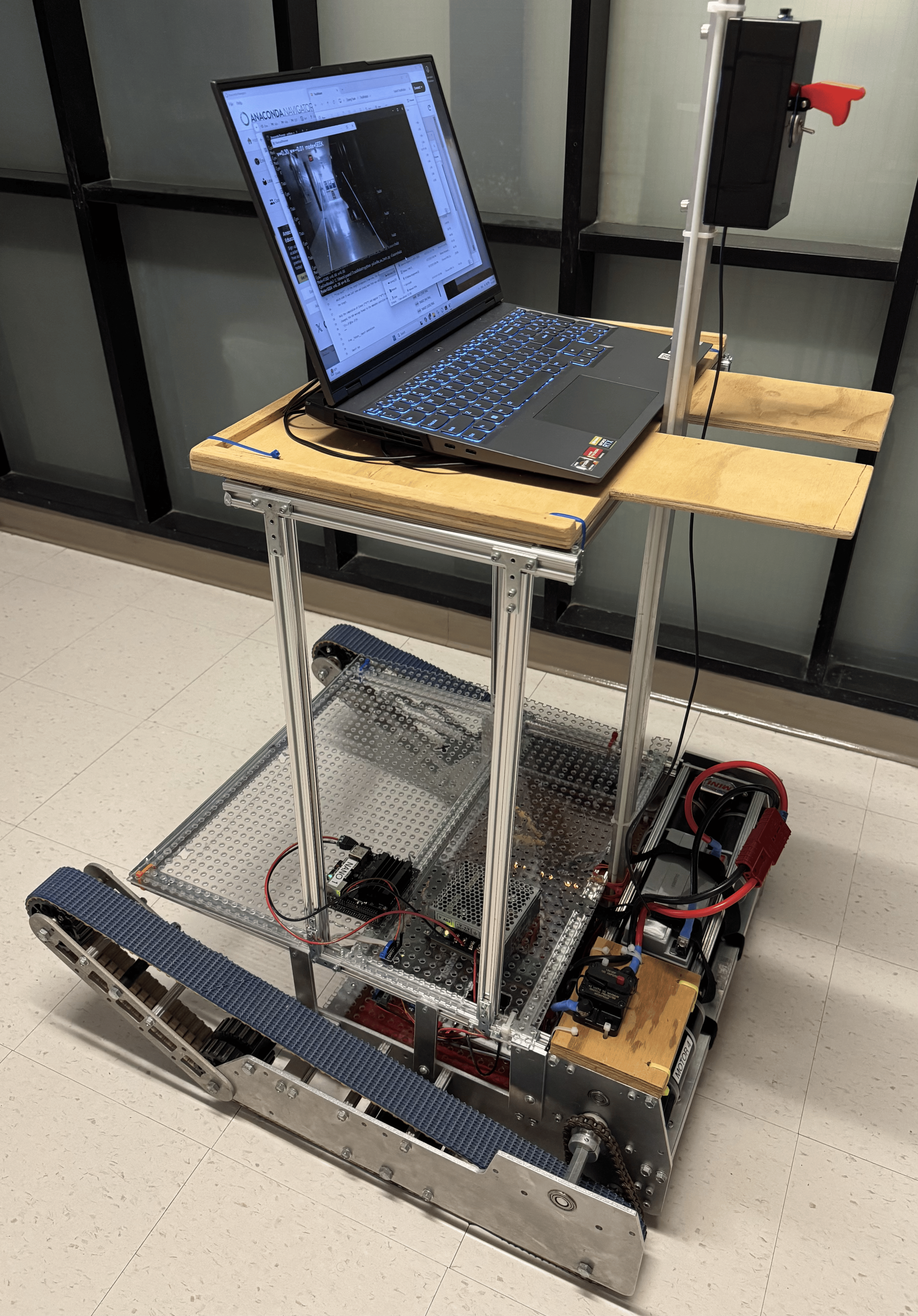
We designed an ML-Driven Wirelessly Controlled Robot which uses machine learning to detect objects of a given class and automatically navigate towards the closest one within its camera view. The robot is able to detect over 80 different classes of objects, and can also be controlled via three modes: Physical Joystick, ML Object Detection, and Web‑Based Virtual Joystick.
In this project, we have designed an “ML-Driven Wireless Control Robot” that uses machine learning to detect objects of a given class and automatically navigate towards the nearest object of that class found within its camera view.
The Pluck & Dispense System (PDSys™) automates the precise transfer of cells from microbubbles to wells, enhancing accuracy and efficiency in laboratory research. This system addresses key challenges such as reducing human error and increasing throughput, making it a valuable tool for small pharmaceutical companies or academic researchers working with microbubbles.
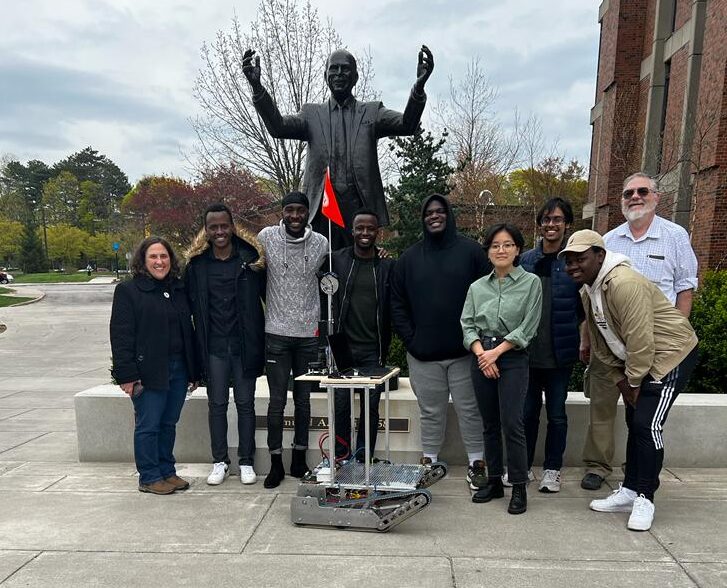
Are you tired of wasting time and money delivering packages and items around the University of Rochester campus? Look no further than our cutting-edge Autonomous Delivery Robot! With this autonomous robot (nicknamed RPS), you can rest assured that your deliveries will be made safely and efficiently, without the need for constant human intervention.
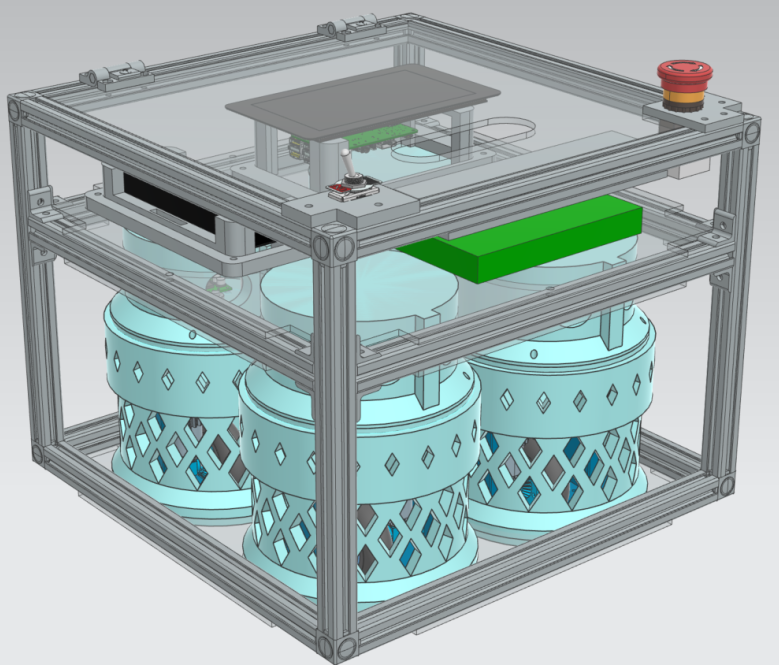
This project’s goal was to develop an easily reproducible robot for use in ECE216 for students to learn about motor controllers. The robot was required to be modular, so each wheel has its own module that can be controlled independently and can move/rotate in any direction.
Using the interactive detection robot, the user will be able to wirelessly control the device and visually see its surroundings using the camera module. The RPLidar enables a 360° view of the robot’s environment.
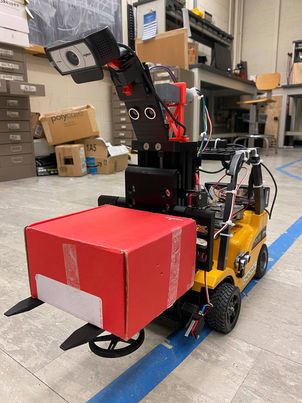
Retrofitting a forklift with an open-source autonomous-warehousing system.
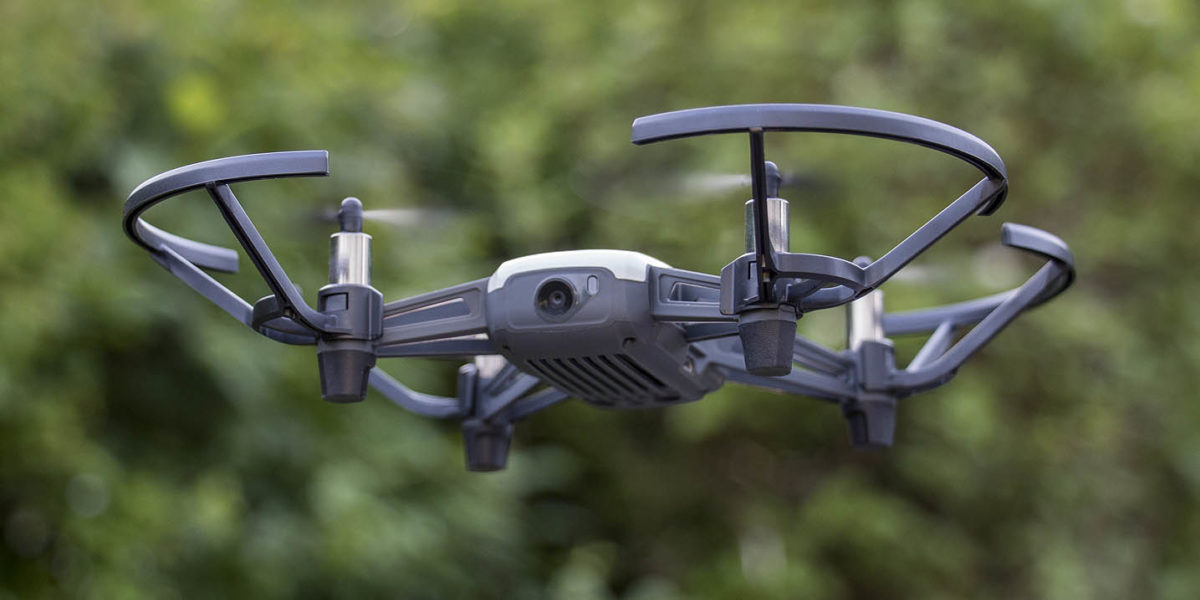
Creating an accurate SLAM estimation for indoor obstacle mapping, exploration, and flight execution.
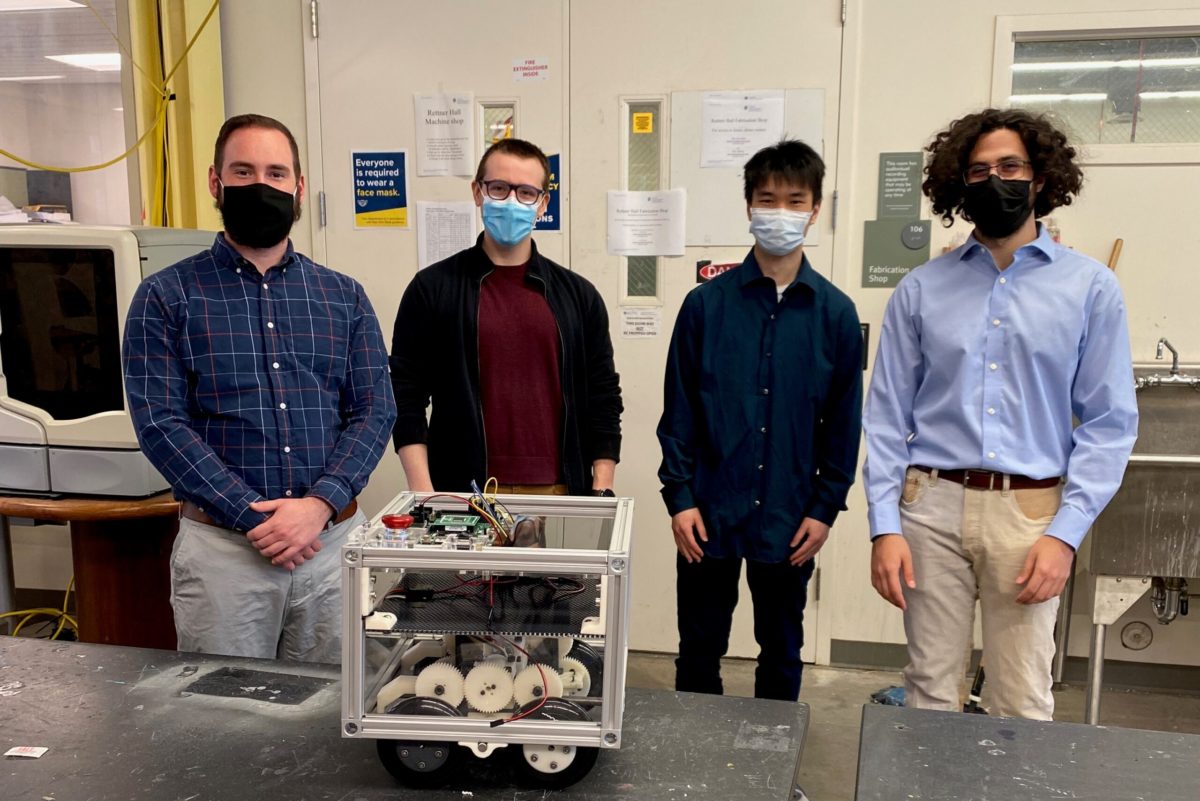
Robotic control is becoming increasingly integral across many disciplines and industries. Understanding the fundamentals of robotic control evolves people’s way of life into a more convenient and efficient epoch. Here in University of Rochester, robotics courses enable students to have basic hand-on learning experience over robotic control systems. This robotic steering system team is aiming at designing an inexpensive but reliable, and easy to replicate solution which fits the needs to teach the robotics courses at University of Rochester.