Team Members:
- Earl Bumagat: Team Lead and Internal Operations
- Emily Lin: XR and Website Design
- Joy Lu: Social Media Manager
- Blayne Mclawrence: 3D Modeler
- Brandon Astuto: Website Development
Problem Statement:
The University of Rochester no longer has a yearbook and current students have no way to document their memories. While past archives exist, there is no modern system for capturing personalized experiences of today’s students.
Methods:
- Conducted research on collegiate yearbooks across different institutions (e.g. Cornell, Northwestern) to understand yearbook structure, pricing and longevity.
- Sent out surveys to University of Rochester students to gauge interest and possible engagement.
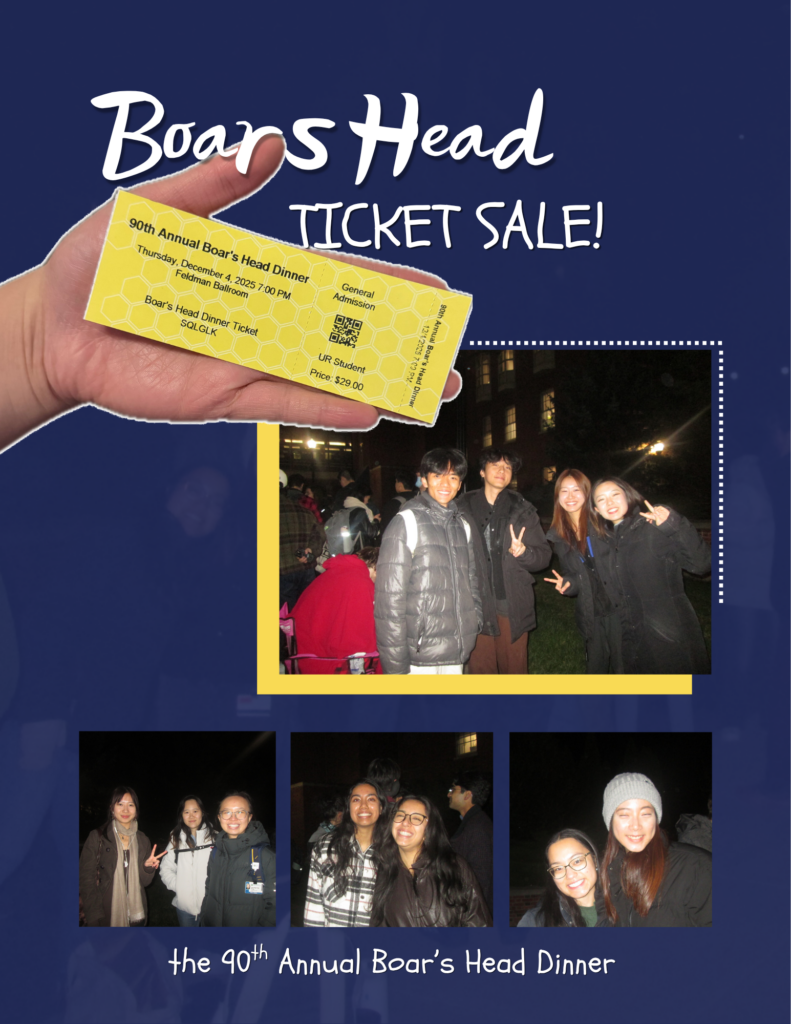
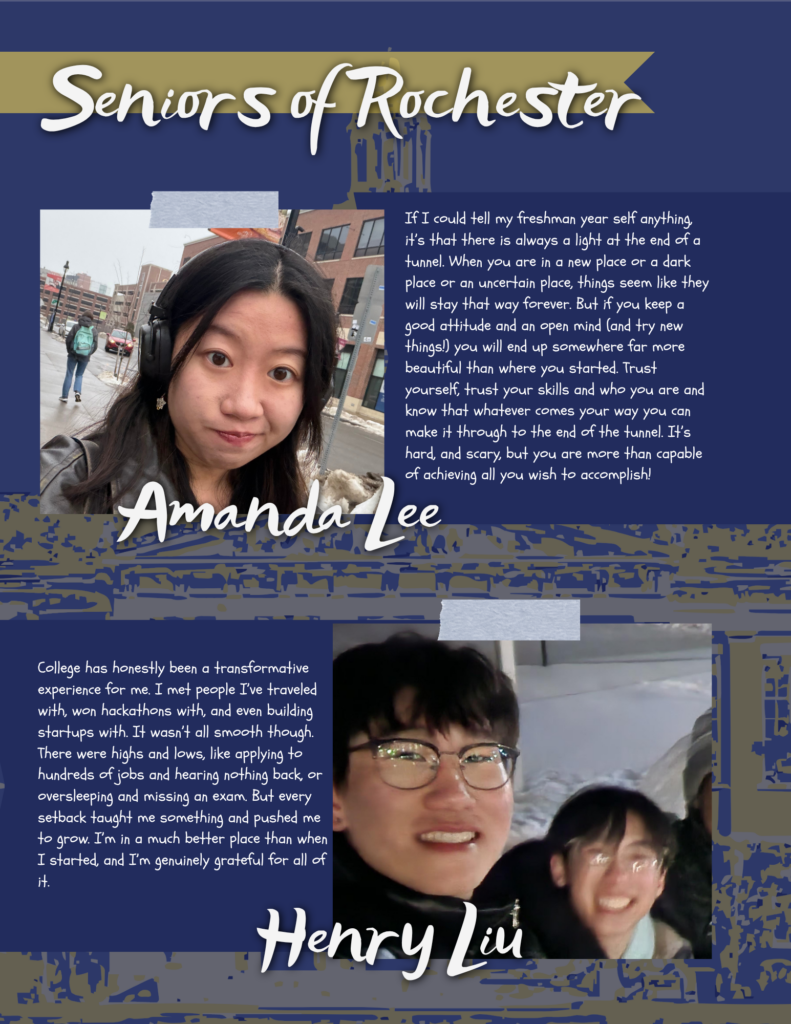
- Tested engagement through social media campaigns (Seniors of Rochester) as well as QR code submissions for students during student events.
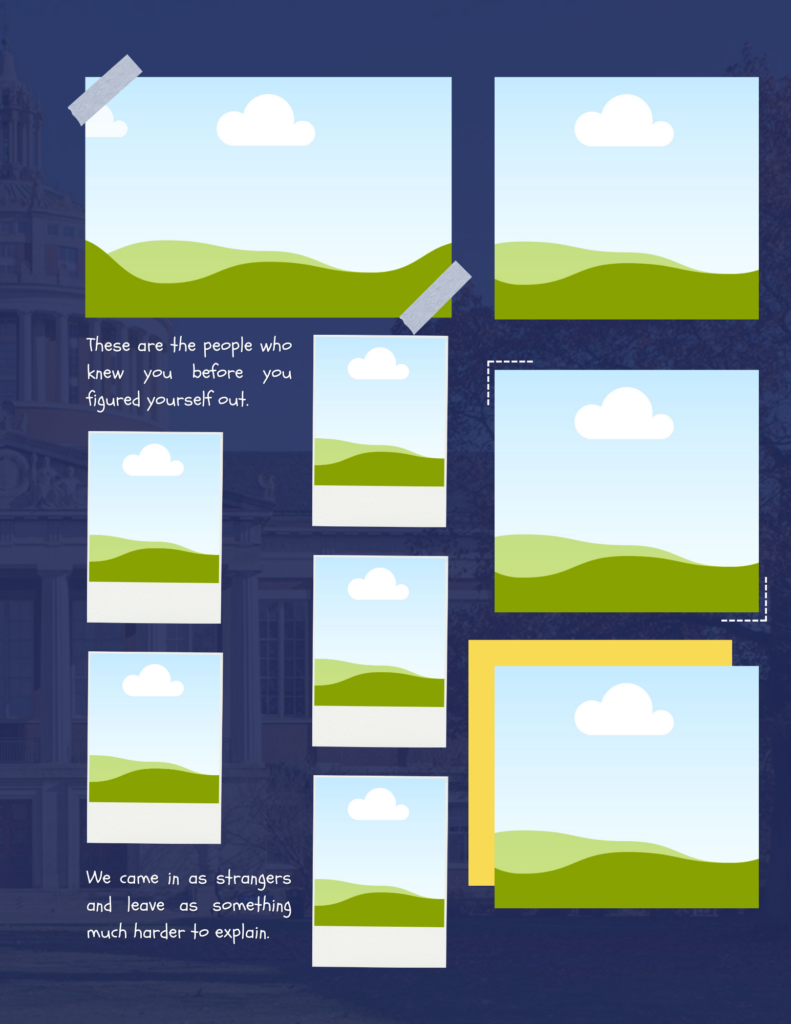
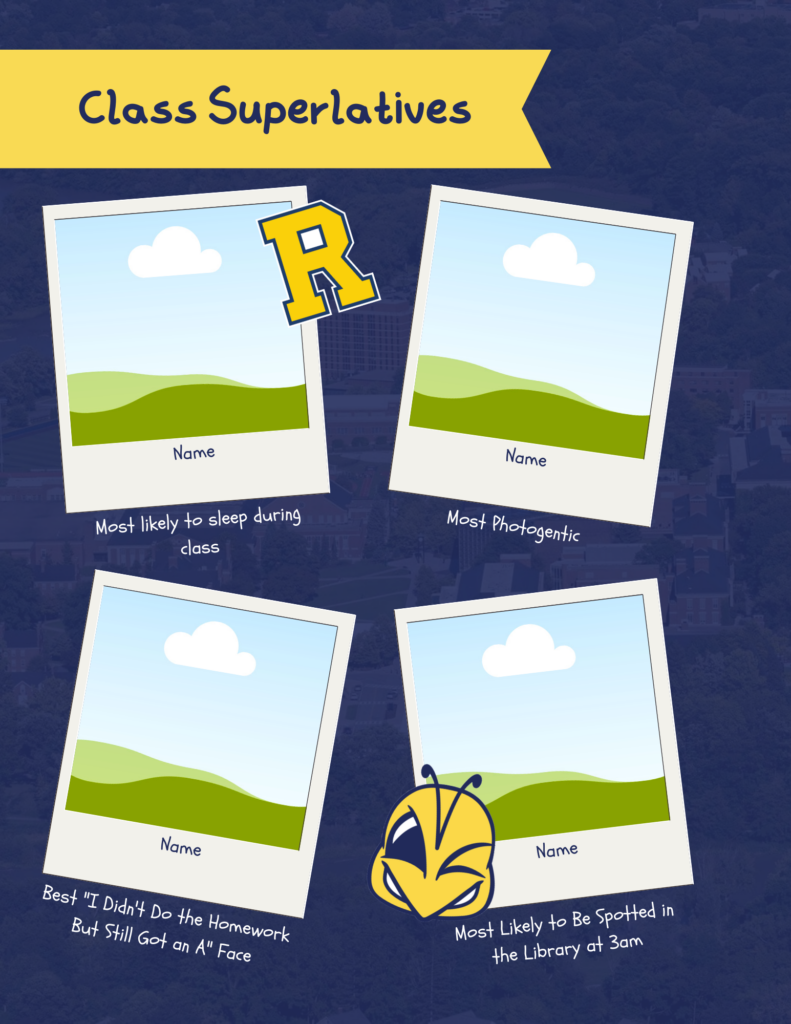
- Made rough prototypes of the digital yearbook template and poster designs on Canva.
Insights:
- Students want a yearbook, but don’t necessarily desire to spend money for one.
- Traditional yearbooks are expensive, requiring significant funding that may not be plausible for a student-led team of our proportion.
- Digital formats offer more flexibility, more noticeable, and easier access to the average collegiate student.
Results:
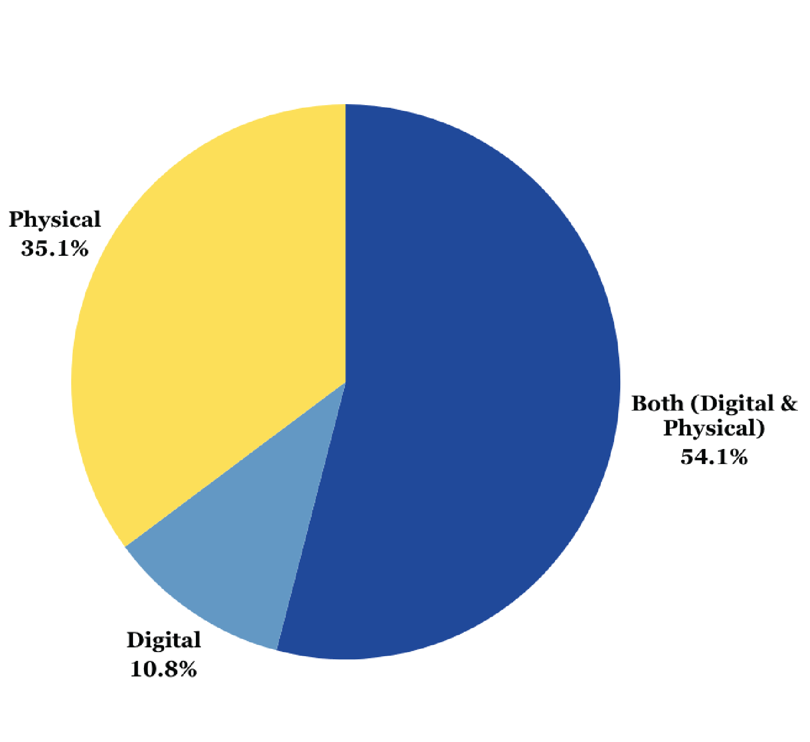
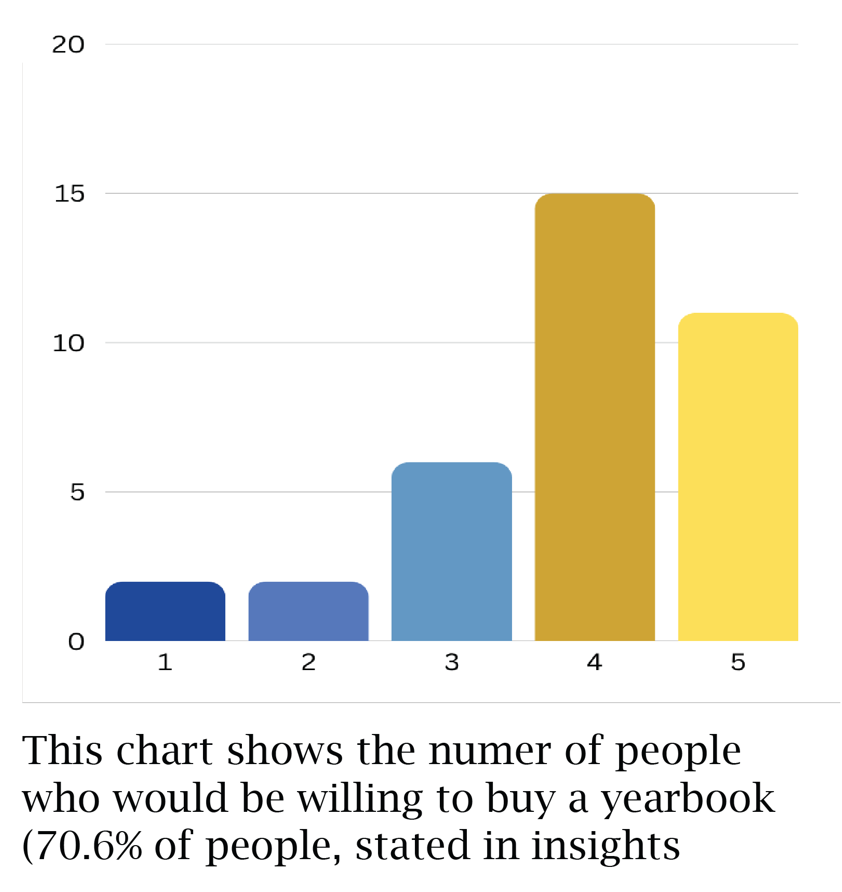
- Successfully validated demand through 1000+ impressions as well as constructive feedback/critiques through surveys (pictured below).
- Built core components:
- Yearbook content structure and prototype templates (organizations, events, seniors, polls).
- Social media-driven content pipeline.
- Prototype layouts and submission systems for the QR code system.
Click here for further information on graphs.
Item 1 (left): A pie chart picturing (in percentages) the proportion of survey respondents that would prefer a digital or physical yearbook (or both).
Item 2 (right): A bar graph showing the number of respondents whom, based on a 1–5 scale, expressed their willingness to possibly buy a physical yearbook.
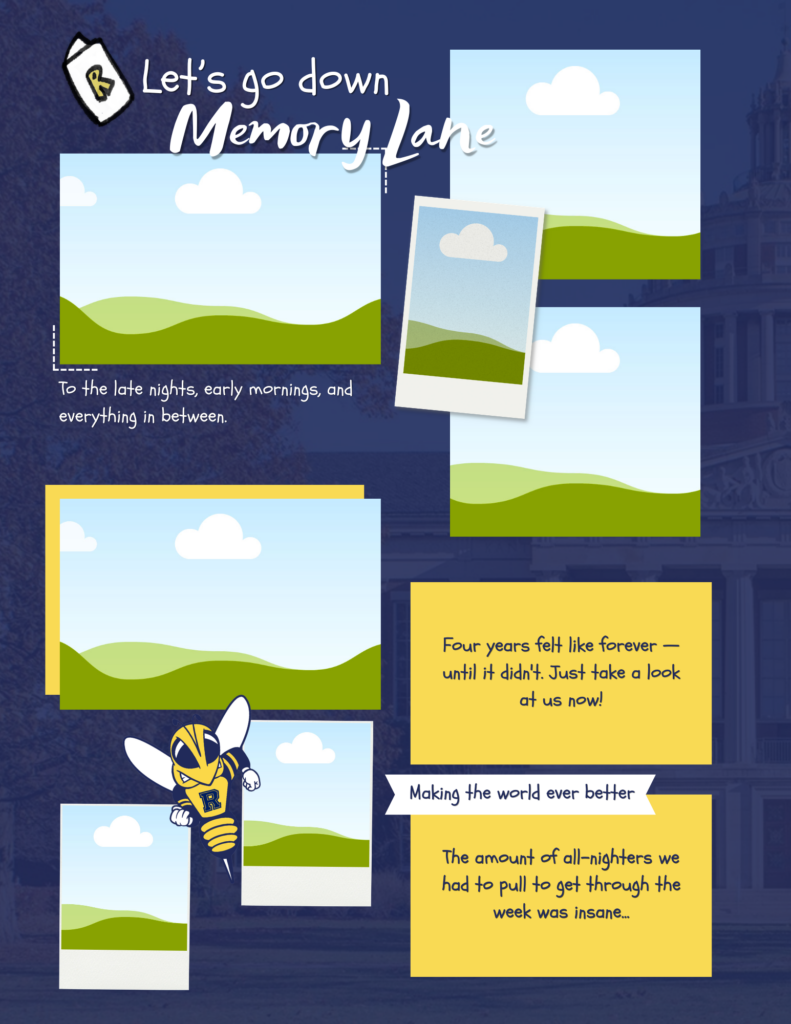
Final deliverable: A Customizable Yearbook Template for the Class of 2026, designed for easy student contribution and future reuse!
Conclusion:
Project Yearbook began as an attempt to create an entirely physical + digital yearbook, however it eventually evolved into a more realistic and scalable solution. By pivoting to a template based model, we created a foundation that could encourage students to document their memories, reducing production barriers on both the students, as well the school. It can even be reused and adapted for future class years.
Check out our website! :
projectyearbk.digitalscholar.rochester.edu
To see our full Project YearBk template, scan the QR code on the right.