
Project Description:
- The goal of this project is to design an adaptive bike seat that enables a 5-year-old girl with limited postural strength to safely participate in family bike rides. This device will promote accessibility and foster a greater sense of inclusion.
Background and Problem Statement:
- The primary end user is a young child with limited head, neck, and trunk control who cannot safely use commercially available child bike seats
- The secondary user is the caregiver who operates the bicycle, installs the system, and assists with child transfer
Design Process:
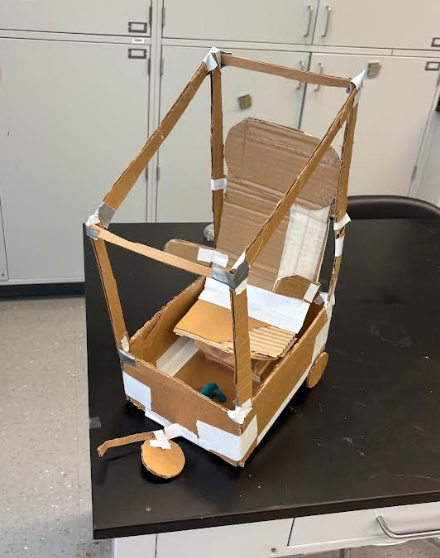
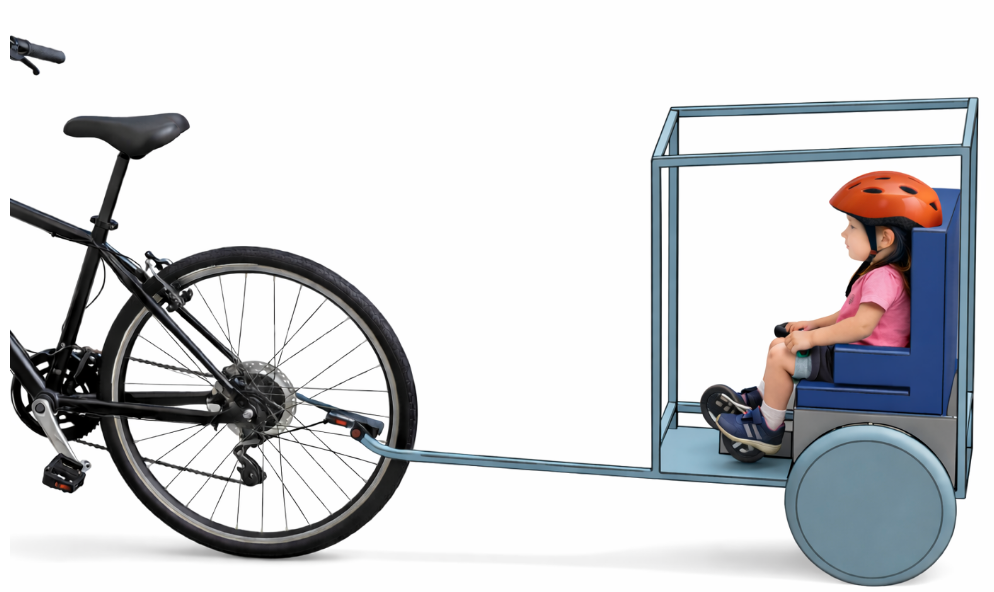
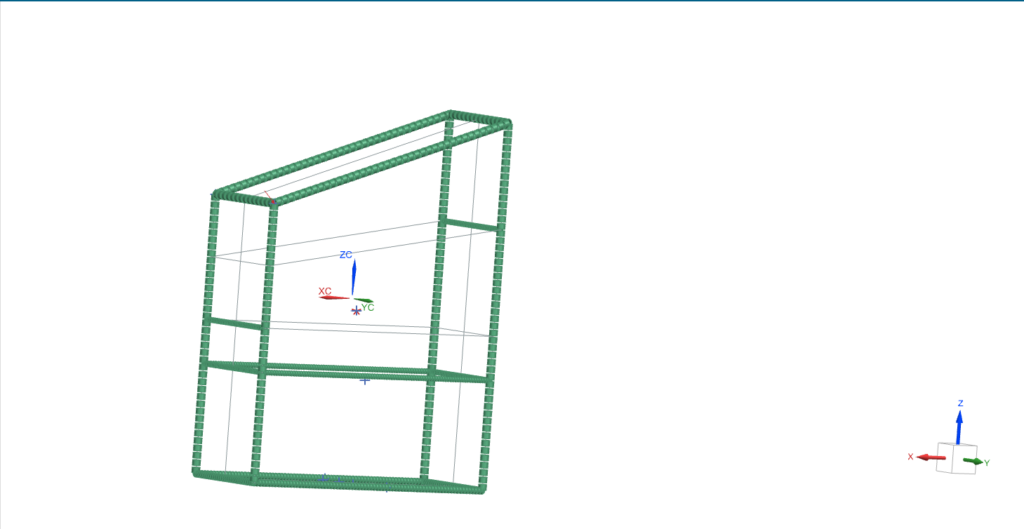
Part of our prototyping process included running simulations in NX to guide our roll cage design, particularly to compare and confirm if and where our structure would need crossmembers to improve its integrity.
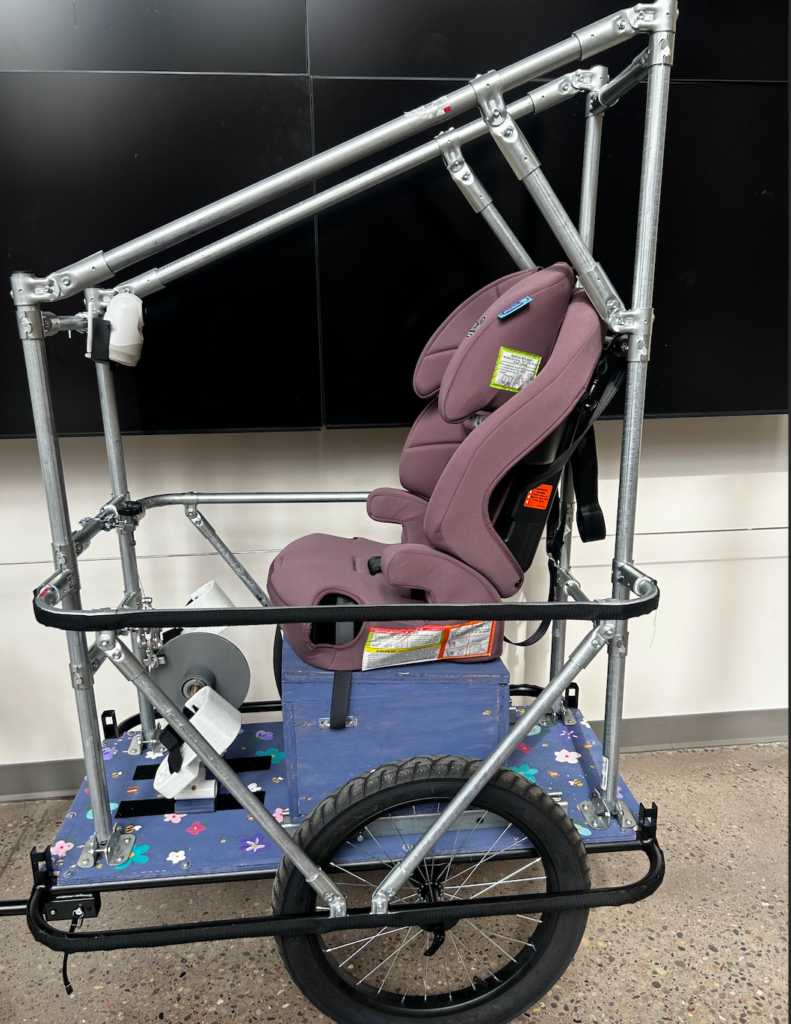
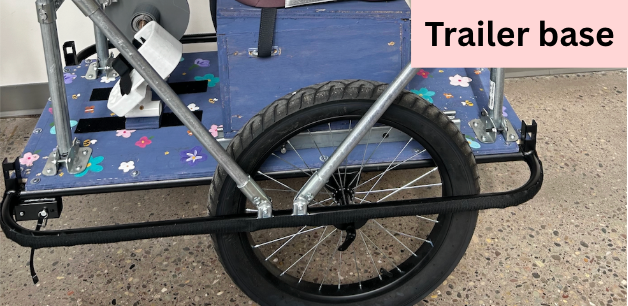
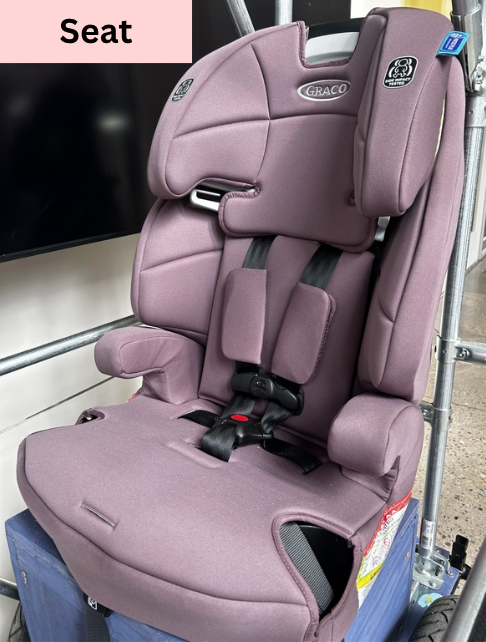
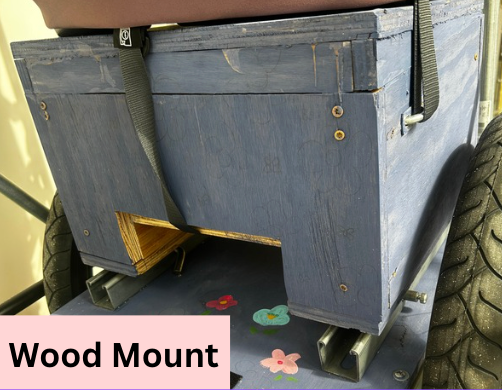
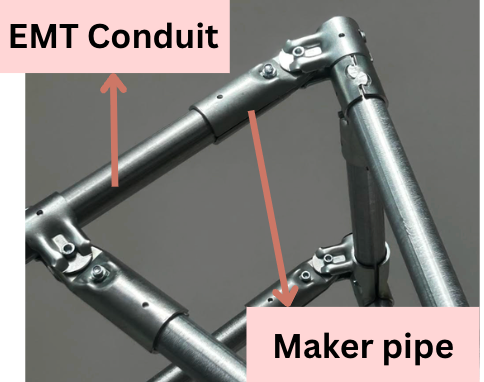
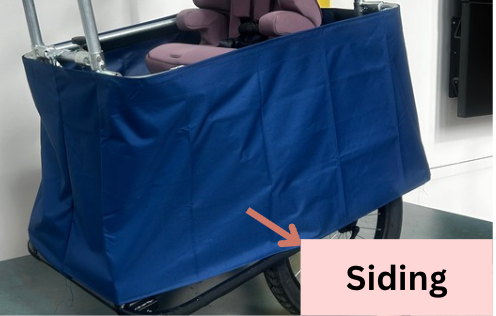
Our final prototype uses maker pipe connections and 1″ and 3/4″ EMT steel conduit pipes for the roll cage. We used a commercially available car seat connected to a wooden box with straps. The box is attached to hanging wheels that are connected to metal T-tracks on the wooden base of the trailer with holes for screws to allow for adjustability
Key Design Features:
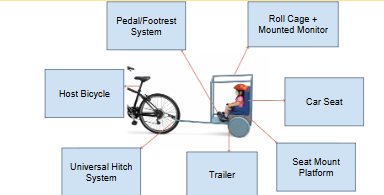
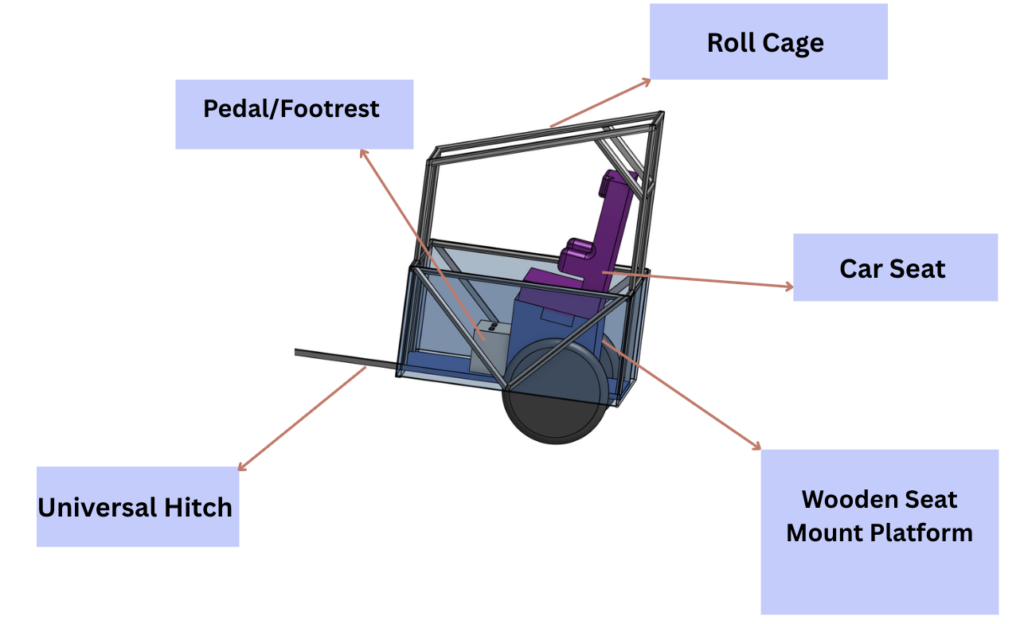
Final Prototype:
Device Components
Trailer with wooden base:
Car Seat:
Mounting System:
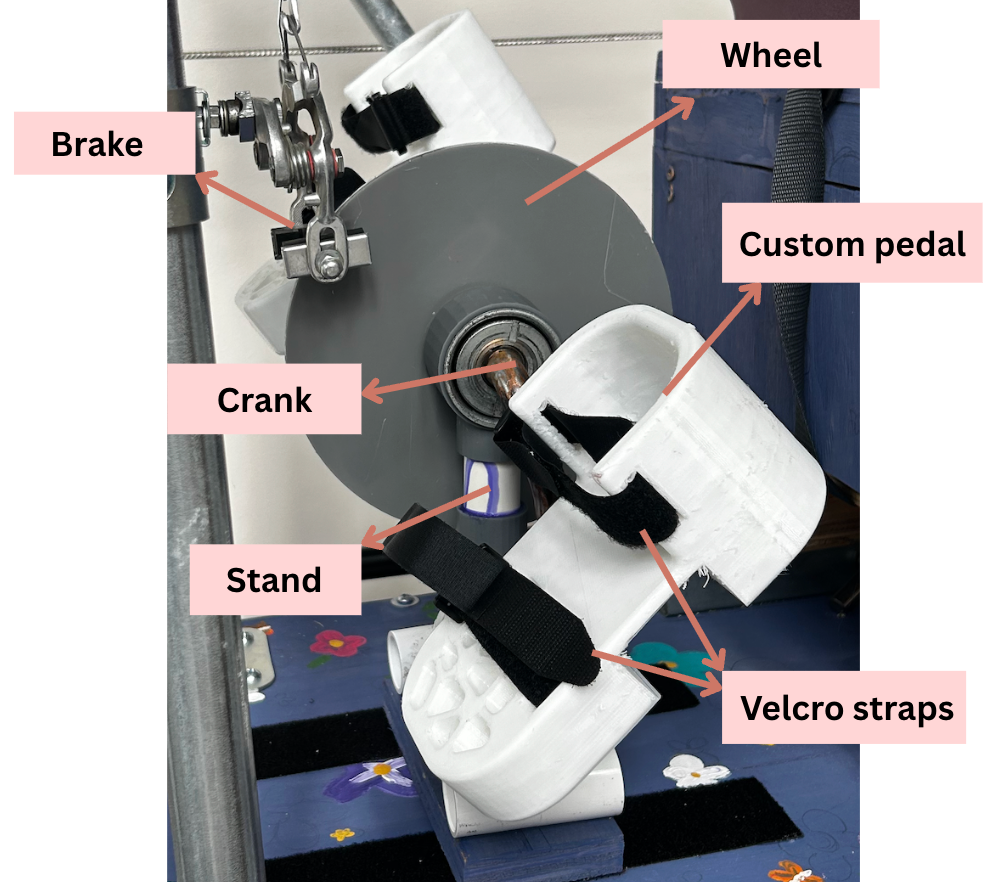
Pedaling System:
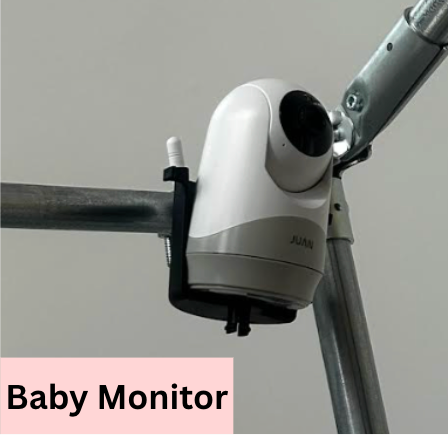
Roll Cage:
Validation Testing:
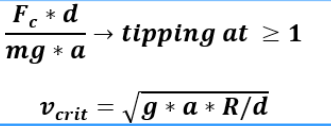
Tipping Calculations
- Turn radius: 3 m
- Lateral acceleration: 2.94 m/s2
- Stability evaluated using moment balance:
Results:
- Moment ratio: 0.441 < 1
- Inner wheel force: 241.80 N
- Critical tipping speed: 10.01 mph
- Conclusion: Trailer should not tip!
Vibration Testing
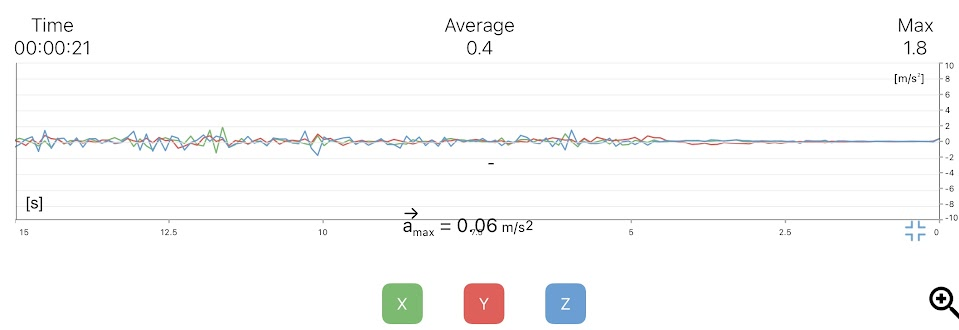
Average vibration measured in the trailer rider was 0.4 m/s2. The reduced vibration indicates that the trailer system provides passive damping. This suggests improved ride comfort for the child occupant.
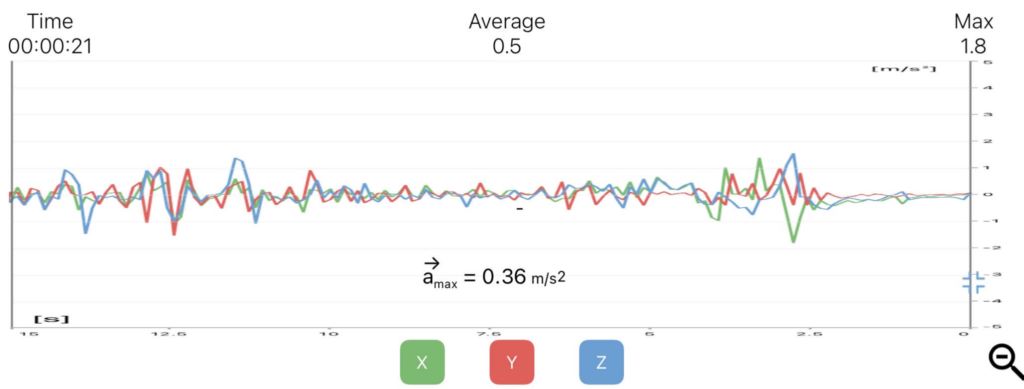
Average vibration measured for the bike operator was 0.5 m/s2. The rider experiences minimal damping, resulting in greater transmitted vibration compared to the trailer system.
Future Considerations:
- Extend to fit more than one child
- Make roll cage collapsible
- Make seat angle adjustable
Design Team:

Weronika Kierzenka
Cell & Tissue Engineering Concentration

Maggie Martin
Cell & Tissue Engineering Concentration

Sam Lorenzetti
Biomechanics Concentration

Angel Ahia
Biomechanics Concentration
Supervisor: Dr. Mark Buckley, PhD
Project Management Liaison: Elizabeth Martin
Customer:
Jayna DeLyser and daughter Layana
Acknowledgements:
We thank Jayna DeLyser for her collaboration and insight. We would like to acknowledge Dr. Mark Buckley, Elizabeth Martin, Dr. Scott Seidman, Martin Gira, Jim Alkins, and the BAJA SAE team for guidance. We would also like to thank Bert’s Bikes & Fitness and Rochester Community Bikes for donations.