Skip to content

ME Archive

Posts Loop

Human Powered Submarine
Human-powered submarines are underwater vessels that are driven solely by the power of a human pilot. The Foundation for Underwater Research and Education (FURE) has put on the International Submarine Races (ISR) for several years. In the past, teams from around the world have traveled to the Naval Surface Warfare Center, Carderock Division to compete and race with their human-powered submarine designs. With an in-person event not possible this year, a virtual event (vISR) will be taking place instead. The Human Powered Submarine team set out to tackle specific design problems related to the hull, drivetrain, and propulsion system of a human-powered submarine in the spirit of the virtual event guidelines.
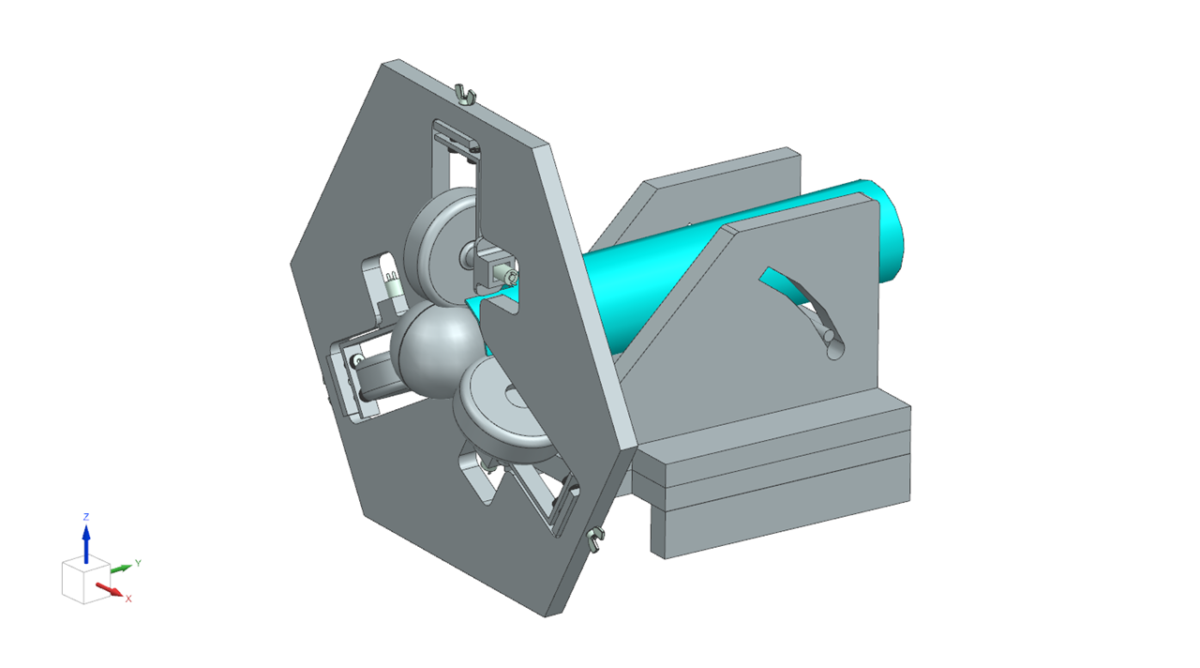
L3Harris Space Secondary Mirror Positioning System
L3Harris Technologies is an American defense company that builds a variety of mechanical, optical, and electrical systems. The Rochester division designs and builds systems for space applications. Optical space telescopes are widely used in both Earth and astrophysical observations and play a major role in scientific and national security. For optical telescopes to function properly and take clear images, their optics must be precisely aligned to focus light. However, during the launch of the telescope, the relative positions of these optics can change. The goal of the project is to build a mechanism to finely adjust the position of these optics to enhance resolution and accuracy of the telescope images. This improved image quality has significant implications for both terrestrial and space observations with applications to scientific research and national security.
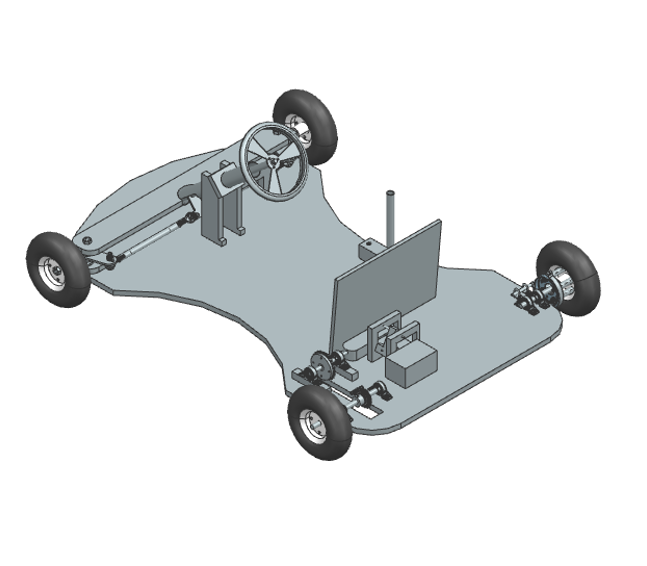
Drill Powered Carts 1
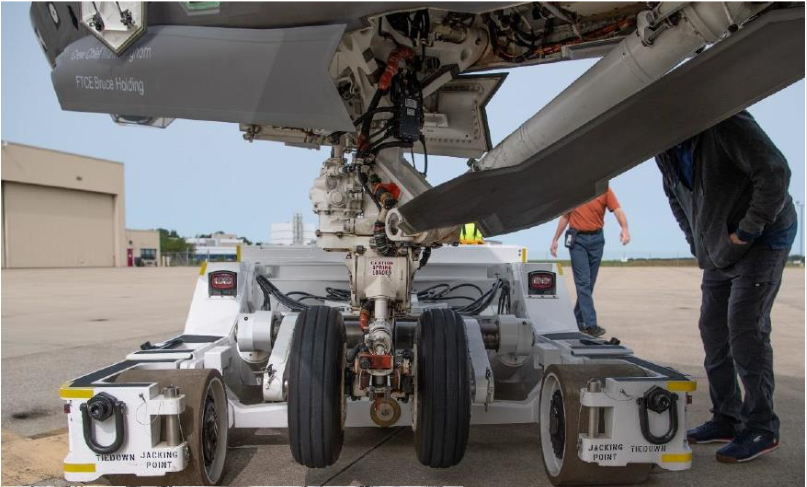
Our team, along with Drill Powered Carts A have built a fully functioning, energy-efficient, and sustainable vehicle, which will be powered by a single electric power drill. By doing this, each team hopes to not only show people that electric-powered transportation is possible, reliable, and easy but, whose cart is the best. The two teams will face off in an endurance race to see which cart can make the most laps around a race track at the University of Rochester River Campus. This will show which team has the most optimized mechanical design.
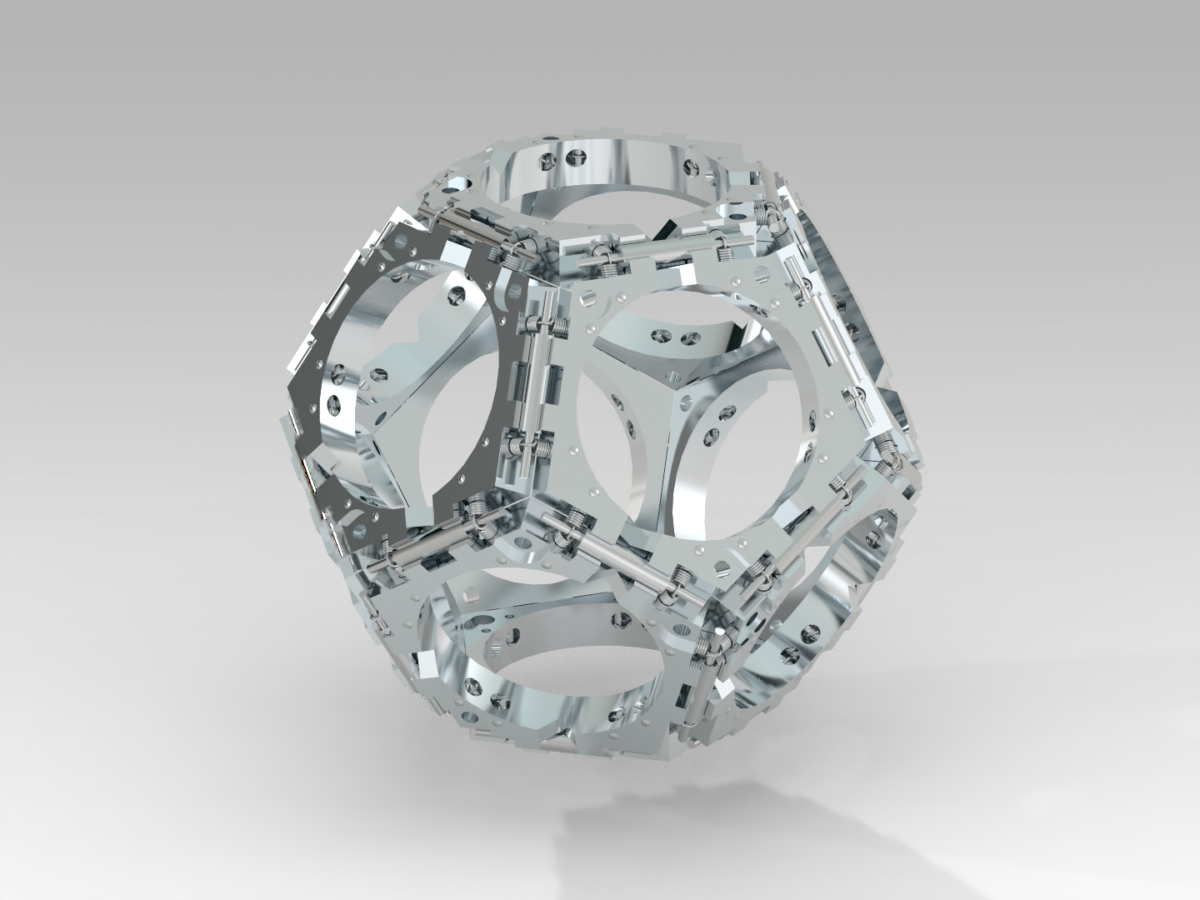
360 Optical Mounts
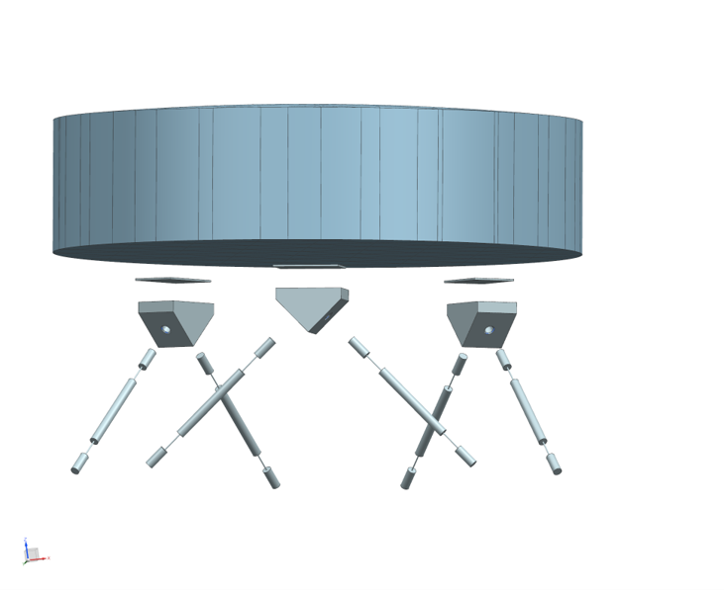
Several optomechanical applications have a need for a 360° kinematic mounting system capable of withstanding thermal loading due to heat generation from electronic devices. It is advantageous for optical systems to have a repeatable and controlled, known distance between devices such as optics, sensors, light sources, mirrors or assorted non-optical sensors. The team was able to design a thermally stable spaceframe solution, capable of reducing movement of any assembled components to minimal displacements on the order of microns.
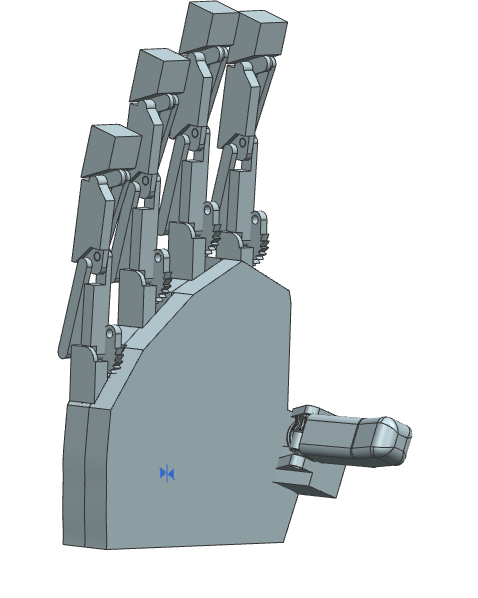
A full assembly of the prosthetic hand.
Prosthesis for A New Syria
In Syria, there are thousands of refugees that have upper limb amputations that don’t have access to function prosthetics. Prosthesis for New Syria was founded by Omar Soufan and Ibrahim Mohammad to provide an affordable and functional prosthetic hand to these refugees. The goal of the design is to create a 3D printable prosthetic that improves on the design from the previous year by making the hand look more realistic as well as improve its functionality.
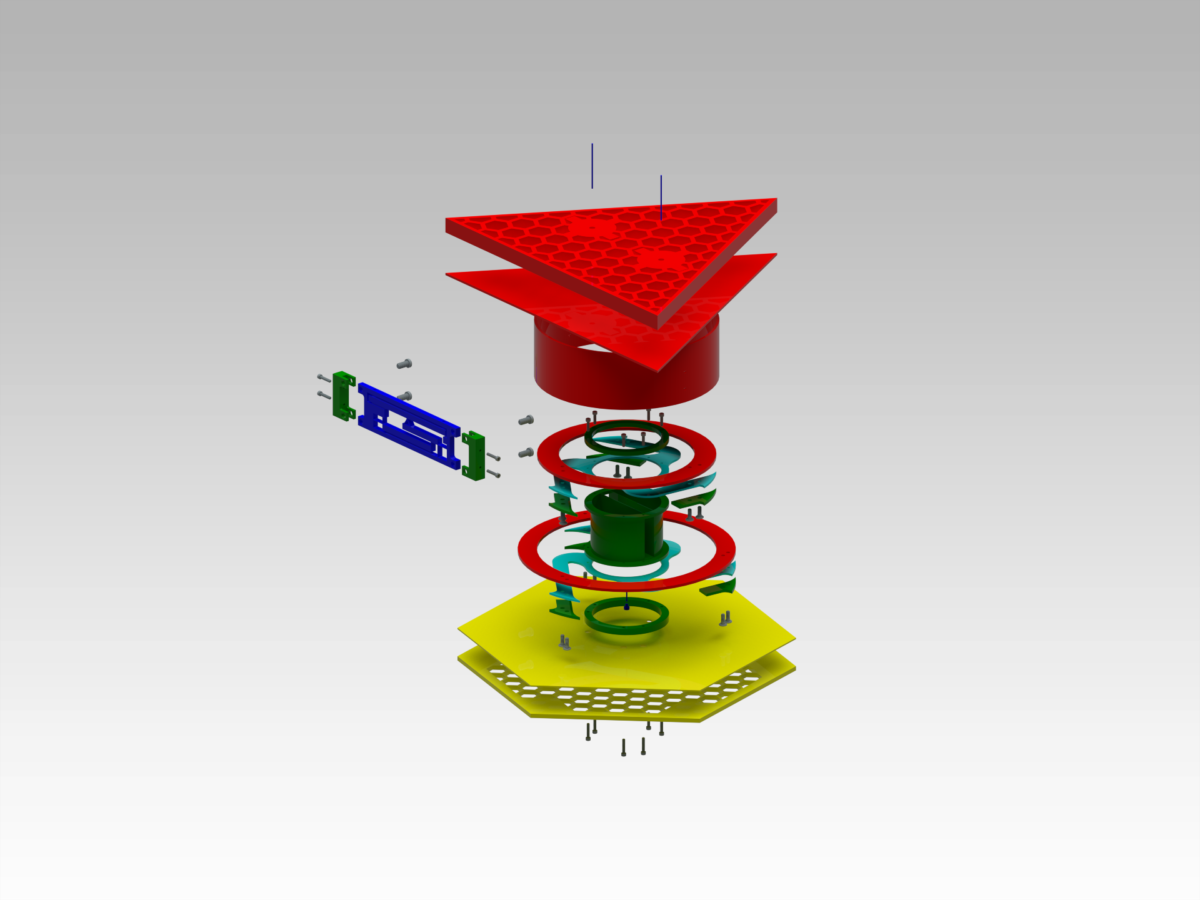
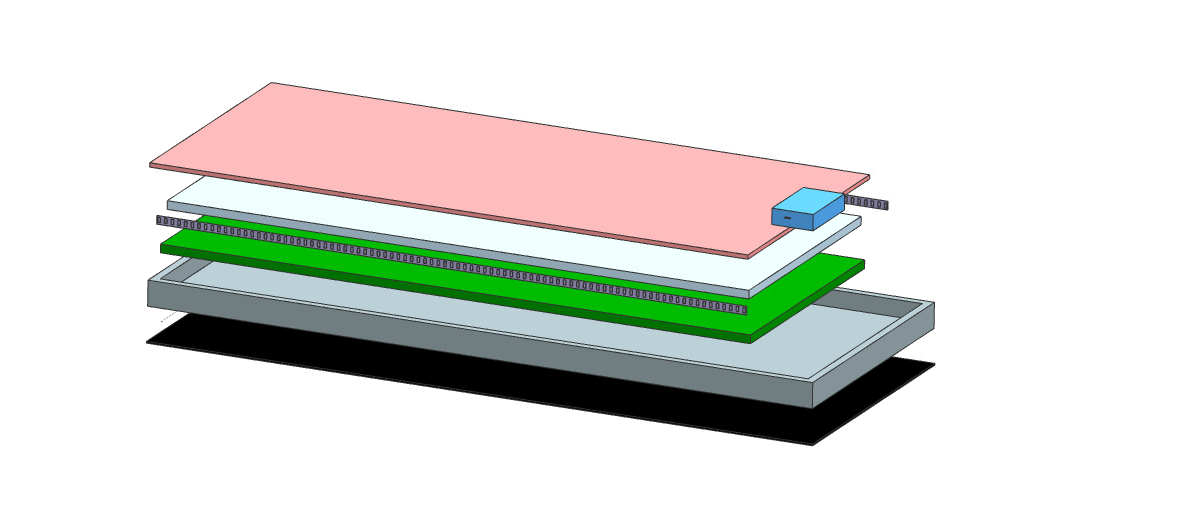
An exploded CAD view of a mat segment displaying interior layers and LED lights
Illuminating Mat for Visually Impaired Students
Students at the Mary Cariola Center with visual impairments are attracted to light in rooms, often pulling their attention away from the teachers/lesson to look upwards at the ceiling lights. Lighted surfaces that provide contrast can help students focus on that surface and on any activity being performed on the lighted surface. The team was tasked with creating a mat suitable for children that illuminates in order to draw the student's attention downward.
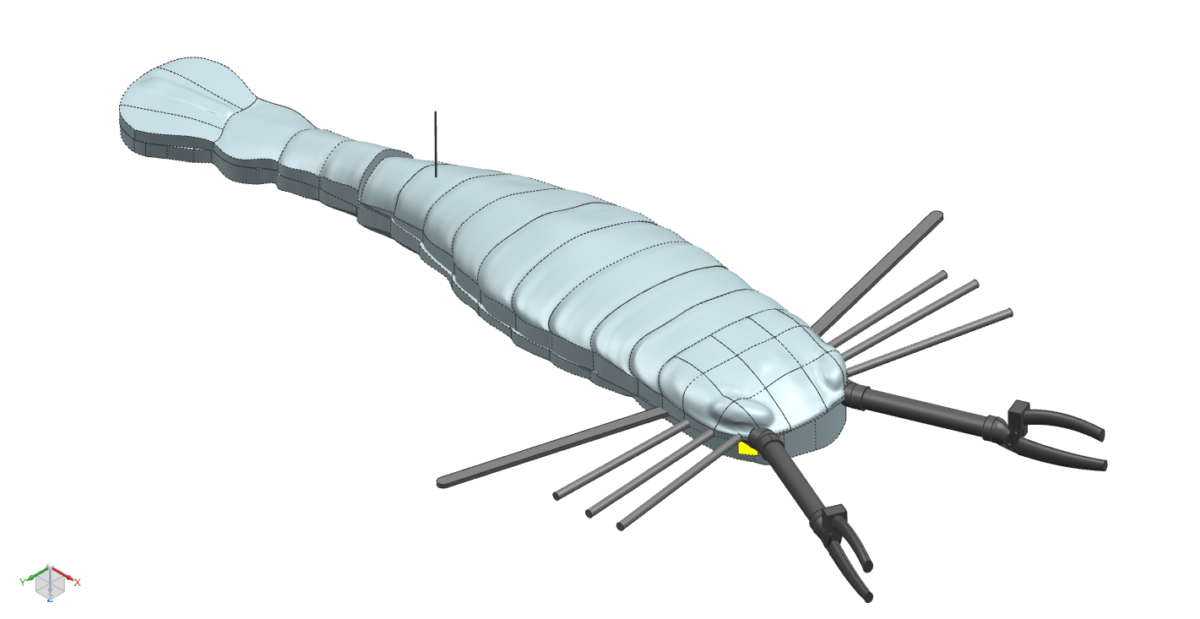
The visual model of Eurypterid
Eurypterid
Hutchison Hall is home to the Biology department. However, there's a lack of understanding regarding all research undertaken by the department. Hanging physical models can bring exposure to the department and create a vibrant and joyous community inside the Hutchison Hall. ​ The Eurypterid Team's models are designed to represent the Jaekelopterus, a genus of the Eurypterid species. These models will be about 9 feet in length. The motorized tail and claws will be triggered through infrared motion sensors. ​
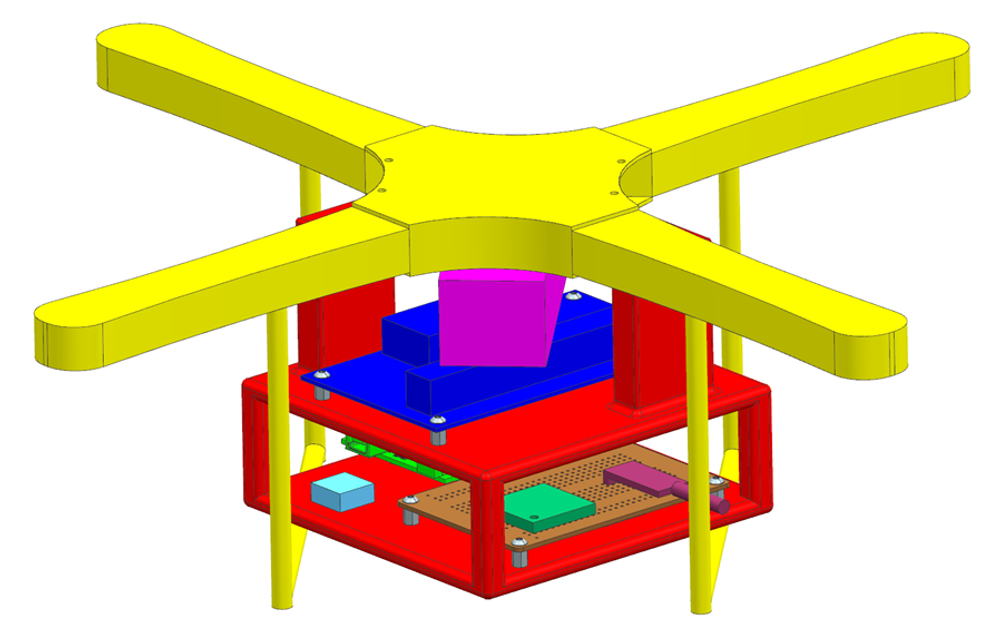
A CAD assembly of the radiation detection drone with the electronics payload.
Autonomous Radiation Detection
After a nuclear accident, radiation levels must be determined in order to ensure the safety of those involved in cleaning up radioactive material. The goal of this project is to produce a low-cost drone that can be used to survey the radiation levels present in a given area, and to produce a heat map of the measured radiation. All of this data must then be transmitted at a distance where the operators will be safe from radiation exposure.