Skip to content

ME Archive

Posts Loop

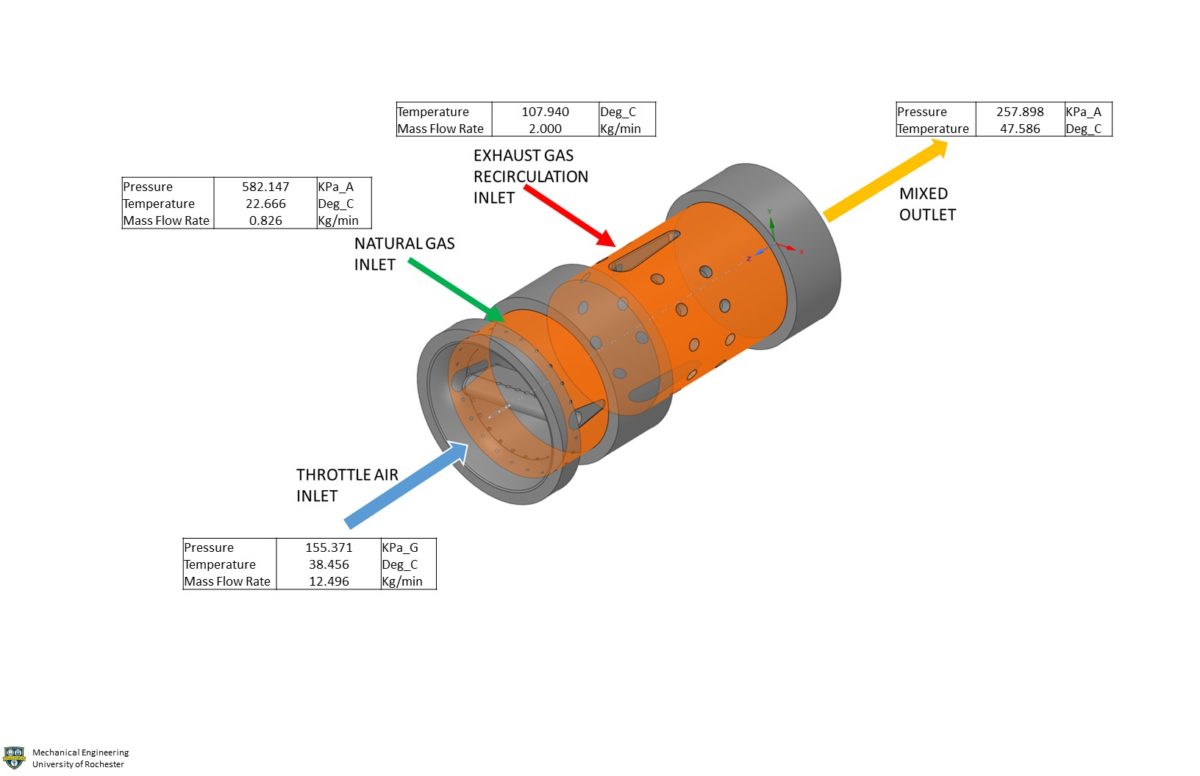
G.W. Lisk existing nozzle with parameters used to run their simulations.
Natural Gas Mixer Redesign
A renewed focus on environmental concerns means that fuel efficiency and emissions of engines are of significant importance. A current design for a mixing nozzle exists, but the fuel residence could be higher and the pressure drop could be lower. A longer fuel residence time ensures smooth distribution of fuel and a more efficient burn. A lower pressure drop means that less energy is lost by the motion of the fluid through the mixer.
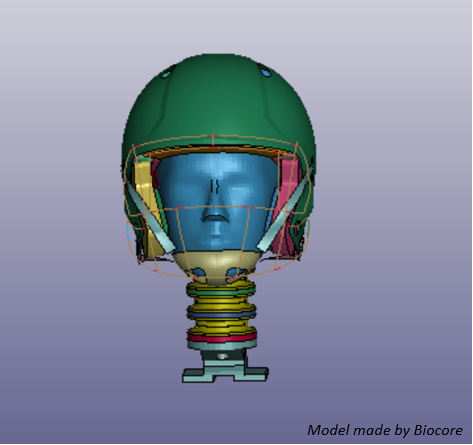
Figure 1: The helmet simulation in LS-DYNA.
NFL Helmet Challenge
Helmets in the NFL are not effective enough to safeguard the health of the players. Players sustain concussions which can not only bench them, but leave life-long brain damage from the accelerations experienced during impact. As part of the project to improve the helmet, simulations were used to test material properties of different components of football helmets, such as hard foams, soft foams, and the shell. Data from the simulations were analyzed with performance metrics provided by the NFL.
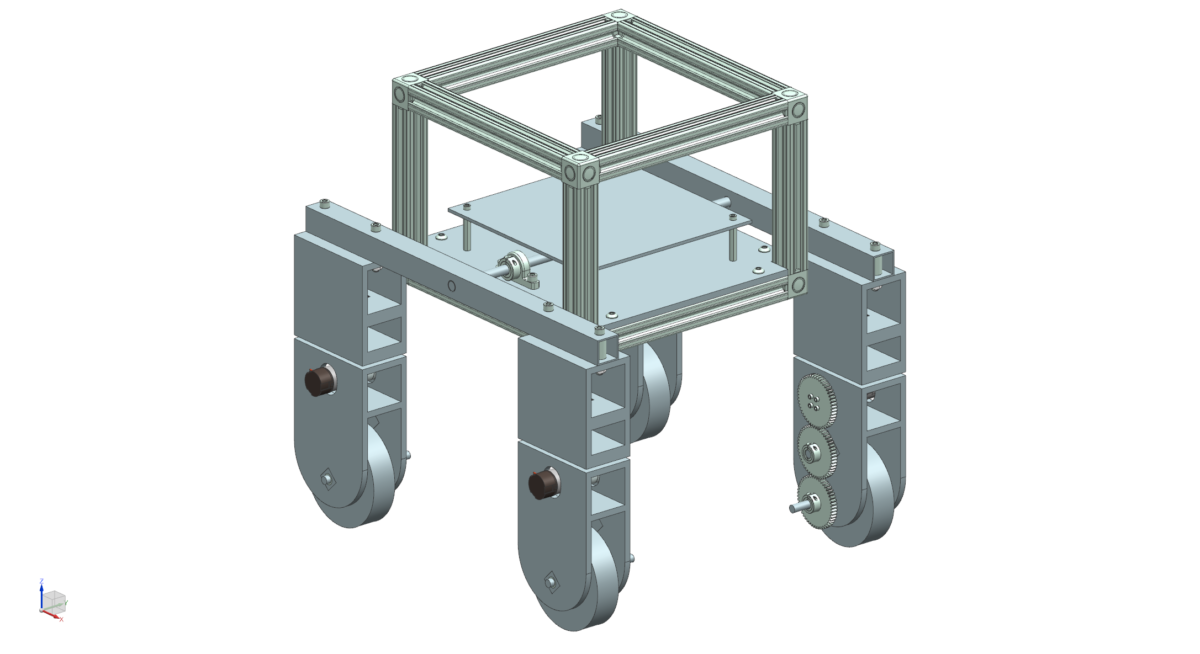
3D model of the robot design.
Robotic Steering
The project aims to design a steering system for robots used in various ECE courses. The robotic system has issues with lifetime, maneuverability, and mobility. The new model was designed with an aim to direct most of the off-axis load into the chassis while still maintaining the capability of the DC motor driving the wheel. These improvements helped in significantly increasing the lifetime of the motors. Additionally, the ability to steer each wheel independently increased the mobility of the robot.
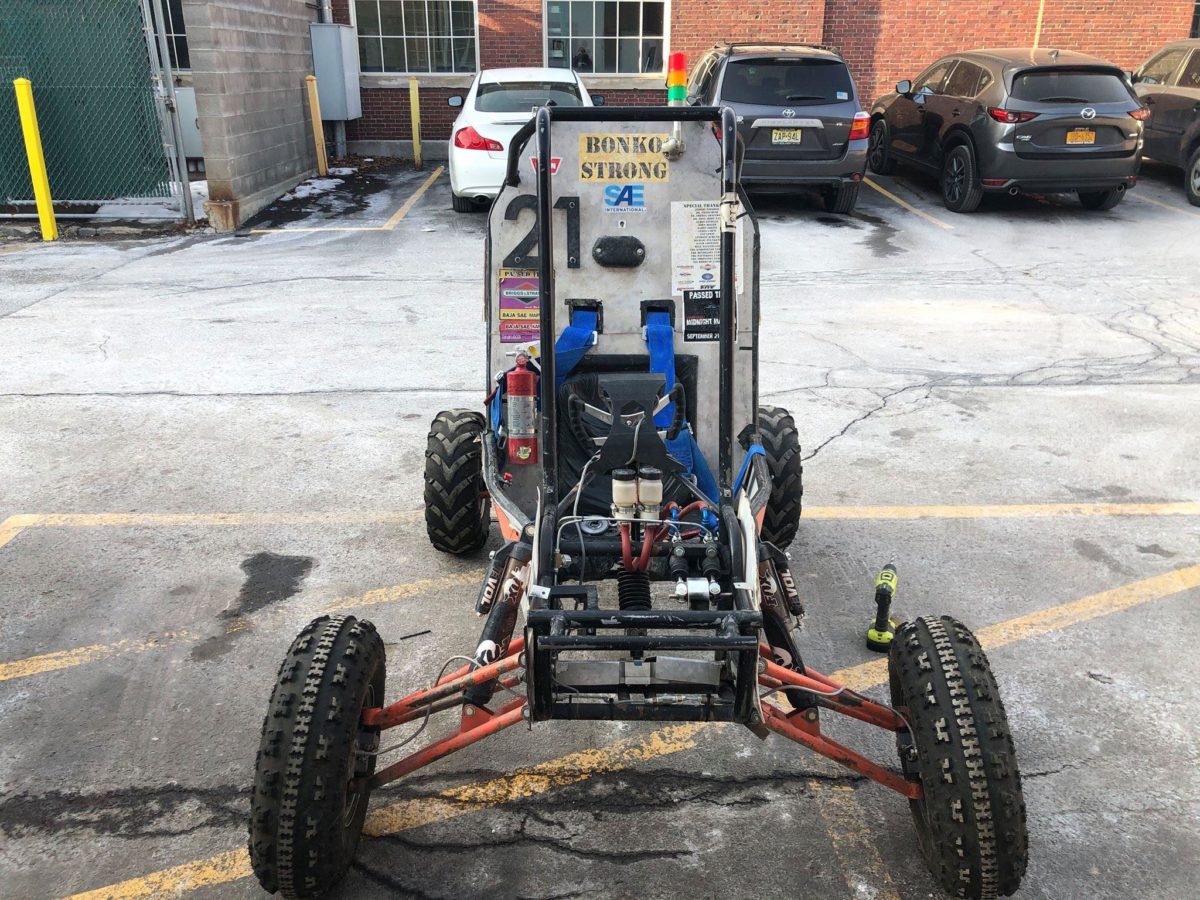
The California Baja SAE Vehicle
Drive By Wire
The project goal was to create methods to control the brakes, steering angle, and accelerator position of a Baja SAE off-road vehicle in a manner that allows the remote driving of the car. The team has created detailed models, simulations, and system documentation to ensure a strong foundation for the continuation of the project in the coming year. This project hopes to create new opportunities for future undergraduates to work on problems related to autonomous vehicles.
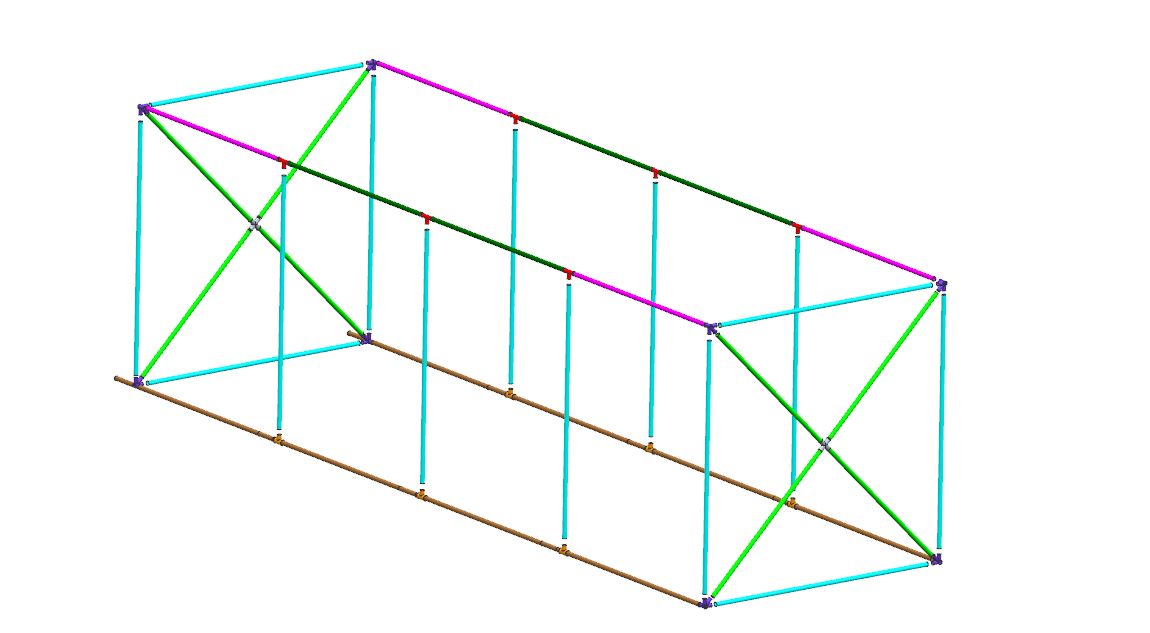
CAD model of tow tank frame, color coded by part.
Mechanical Engineering Department Tow Tank
A tow tank is a basin where models can be dragged across its surface to conduct fluid dynamic analysis. Rochester currently lacks tow tank capabilities for undergraduates, with the nearest tow tank at RIT. To resolve this issue, our team will create a tow tank for Rochester students that will utilize the Speegle-Wilbraham Center pool as the main body of water. The tow tank will allow experimentation for ME 241 Fluids lab students, providing data in drag or wake analysis.
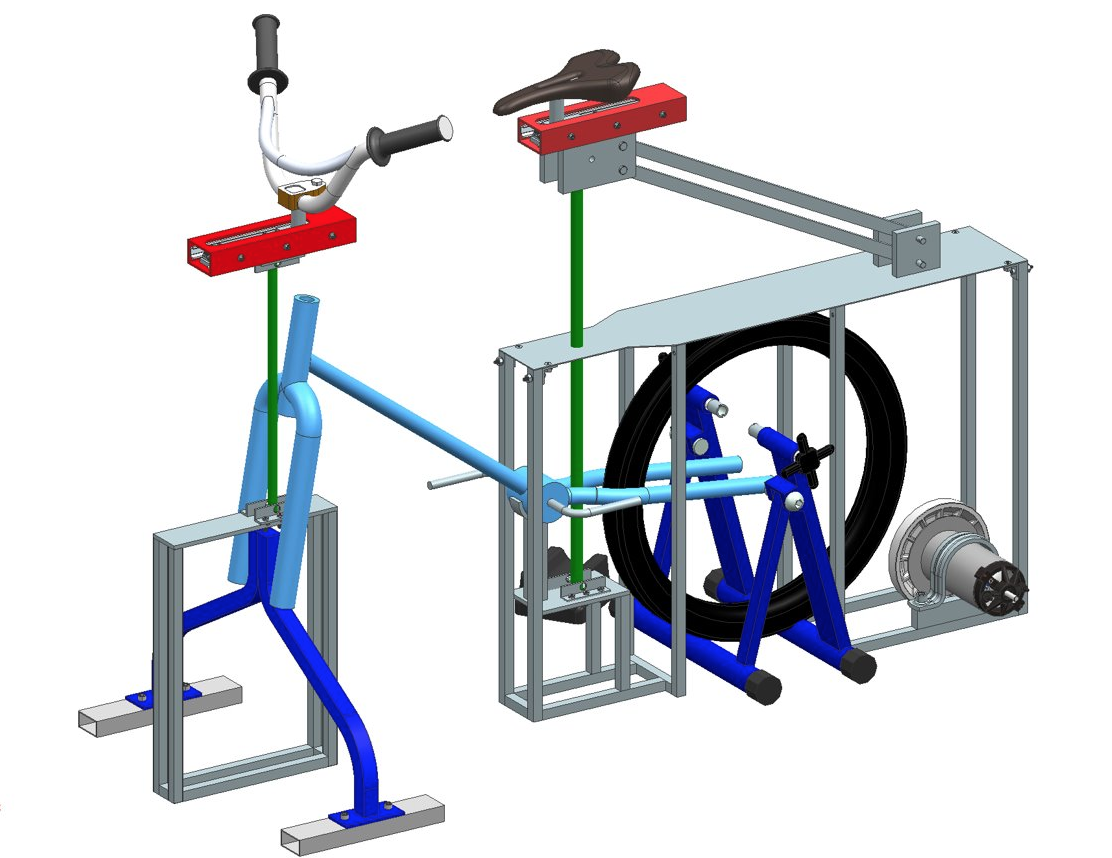
Image of the final bicycle Computer Automated Design
Interactive Bicycle Display for Rochester Museum and Science Center
The Rochester Museum & Science Center asked for help designing an interactive exhibit to honor Georgena Terry. The team designed a stationary bicycle where the saddle and the handlebars move in the vertical and horizontal direction with motors. A system was designed in order to determine and display the power output from the rider. When on the bicycle, the rider can fluidly adjust the bike geometry and be able to see how changing each dimension affects the power they produce.
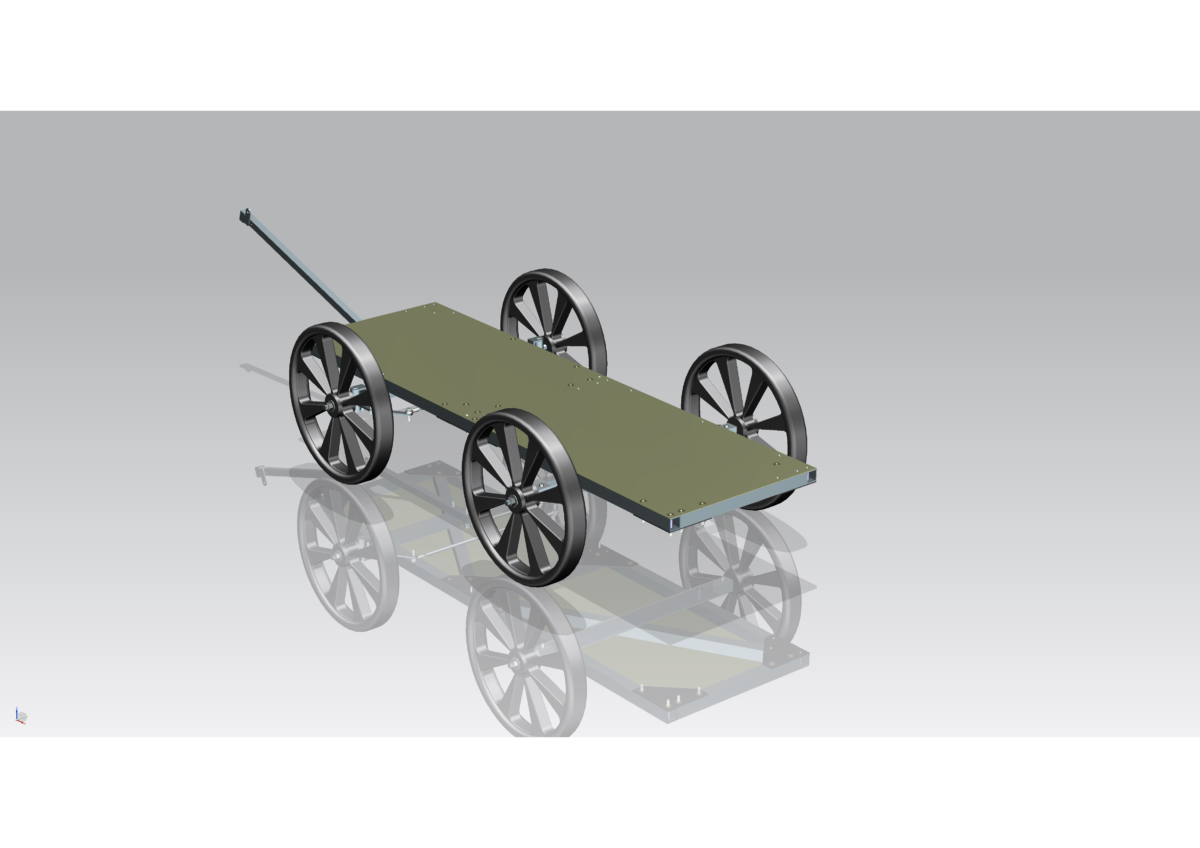
Image of full Bike Trailer
Bike Trailer
With much of the world adopting a heightened focus on environmental stewardship, an increasing number of people have turned to the bicycle for transportation. However, current bikes often lack versatile accessories to make them effective in situations other than simply commuting between locations. In order to make bikes more viable for everyday uses, they need to be fitted with ancillary components. This project involves the design of a multi-purpose, dividable trailer that can be attached to an adult bicycle.
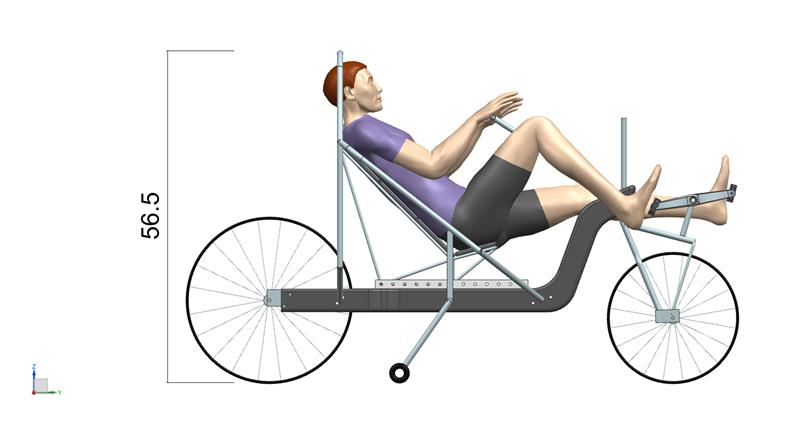
Side view of our CAD model made in NX with a human model in the vehicle
The Human Powered Vehicle Challenge
The Human Powered Vehicle Challenge (HPVC) is a competition that is part of the annual American Society of Mechanical Engineer's (ASME) E-fest. This competition requires that teams from various universities design a vehicle for safe, reliable, and efficient human powered transportation. The teams come together and race their vehicles in an endurance race and a drag race, as well as present their design to the HPVC judges.