Skip to content

BME Archive

Posts Loop

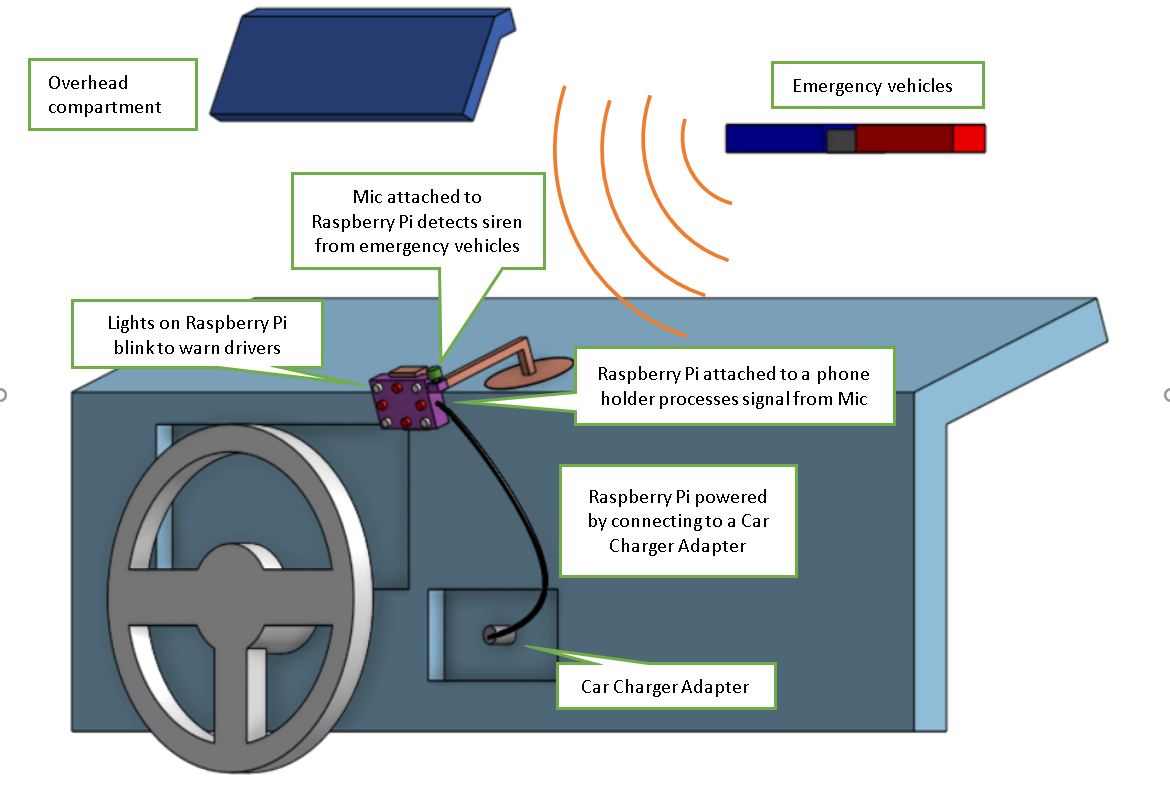
Schematic of alert device in the car.
Emergency Vehicle Alert (E.V.A.)
There is a need to ensure that drivers are alerted of approaching emergency vehicles so that they can remove themselves from the path of the emergency vehicle. It is especially a challenge for deaf, hard of hearing, and distracted drivers to identify emergency signals, which puts them at an increased risk for collision. In this project, we developed a device for use in the car that detects emergency vehicles and notifies the driver of their presence. We used a trained convolutional neural network to detect sirens in noisy environments. On our validation set, we achieved a 95% detection accuracy with a 50% criterion. A demonstration of our real-time detector and design schematic are shown below.
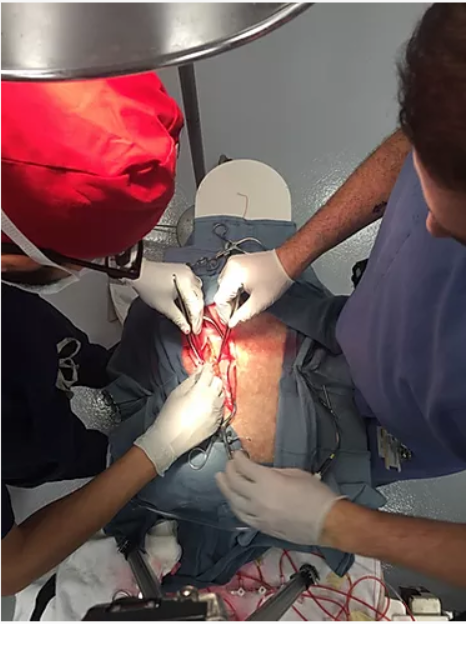
surgeons operating on artificial organ
Cautery Phantom
The cautery phantom senior design team will engineer and improve a system that will arrest artificial blood flow in response to electrocautery in a tissue phantom manufactured by Simulated Inanimate Models, LLC (SIM). To solve this problem, we have investigated methods of vessel constriction by lining the tissue phantom blood vessel wall with a thermoresponsive material, coagulating the artificial blood by introducing proteins and chemicals into the mixture, and by making the blood vessel with a shape memory polymer.
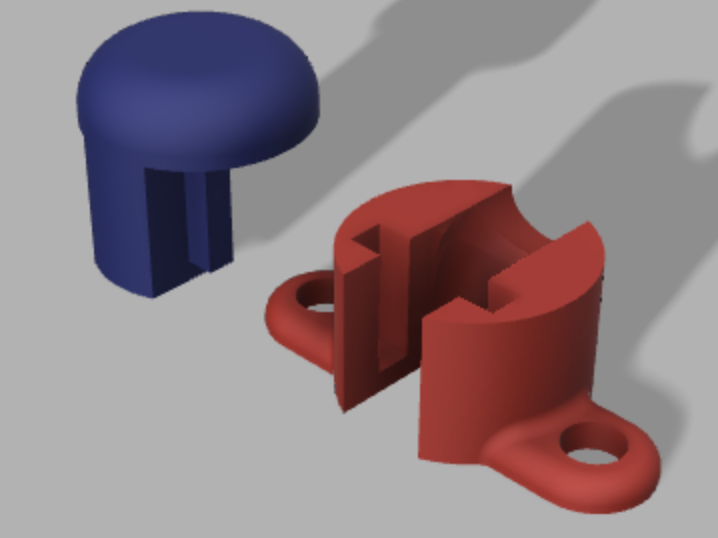
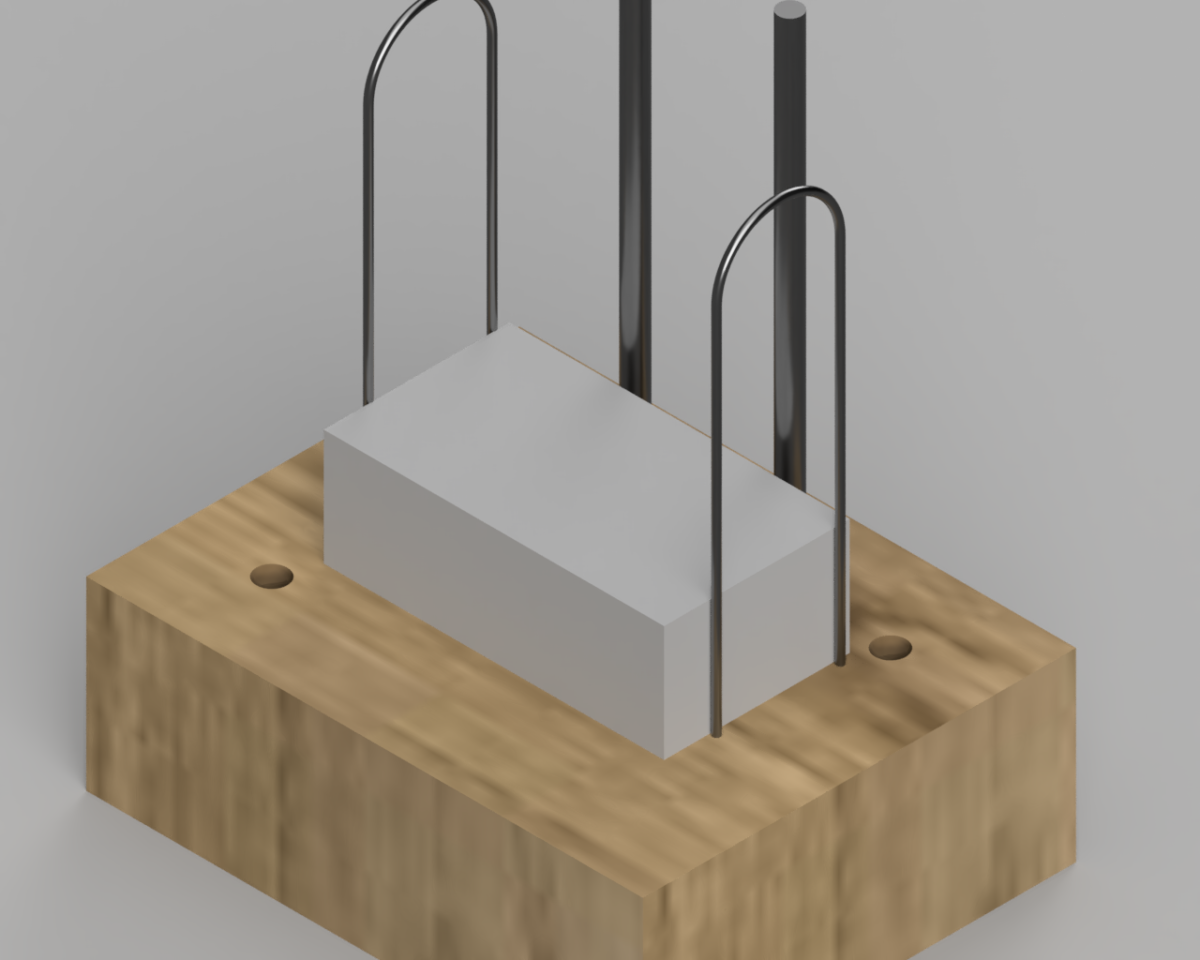
Autodesk rendering of both pieces of our surgical drain securement device.
Dr. Drain – Surgical Drain Securement Device
A surgical drain is placed within an internal wound site to prevent fluid from accumulating in the body throughout the patient’s recovery. A suture is currently used to secure the drain to the patient but has multiple shortcomings including infection risk and failure over time. We have worked alongside Dr. Sara Neimanis to create a new securement device that minimizes infection while durably securing the drain over extended periods of time.