Skip to content

RECENT POSTS

Author Posts Loop

Human Powered Vehicle
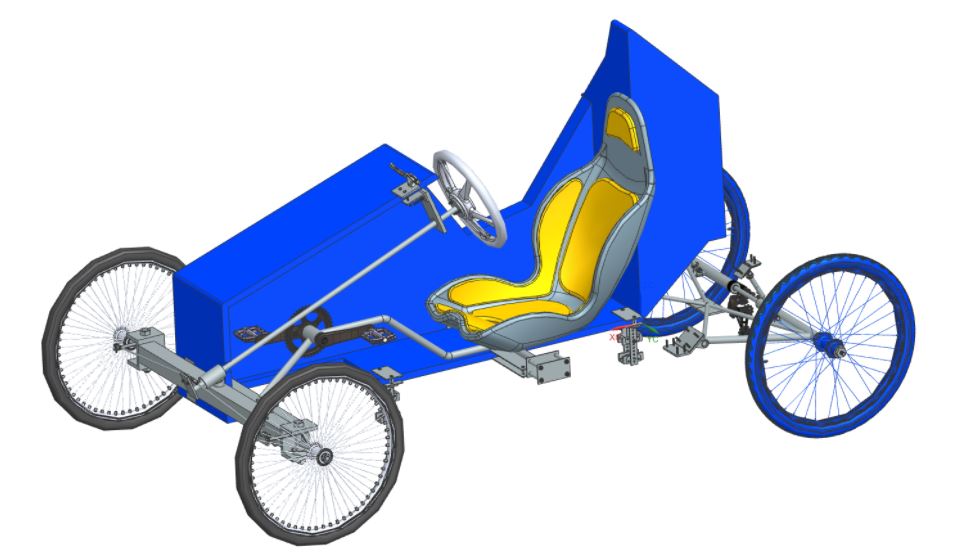
With increasing concerns about the environmental impact of ground transportation, the industry needs alternative solutions that are safe, efficient, and environmentally friendly. One solution to the pollution problem is human-powered vehicles which emit zero greenhouse gas on the road. This project aims to implement a new material technology (fiberglass) into the design of a human-powered vehicle to make it more lightweight, functional, and safe. The test results concluded that fiberglass can indeed be used to manufacture the monocoque of a human-powered vehicle without compromises. The findings of this project will advance the engineering knowledge of fiberglass in this field and enable other engineering teams to use this technology in future designs.

Human Powered Submarine
Human-powered submarines are underwater vessels that are driven solely by the power of a human pilot. The Foundation for Underwater Research and Education (FURE) has put on the International Submarine Races (ISR) for several years. In the past, teams from around the world have traveled to the Naval Surface Warfare Center, Carderock Division to compete and race with their human-powered submarine designs. With an in-person event not possible this year, a virtual event (vISR) will be taking place instead. The Human Powered Submarine team set out to tackle specific design problems related to the hull, drivetrain, and propulsion system of a human-powered submarine in the spirit of the virtual event guidelines.
L3Harris Space Secondary Mirror Positioning System
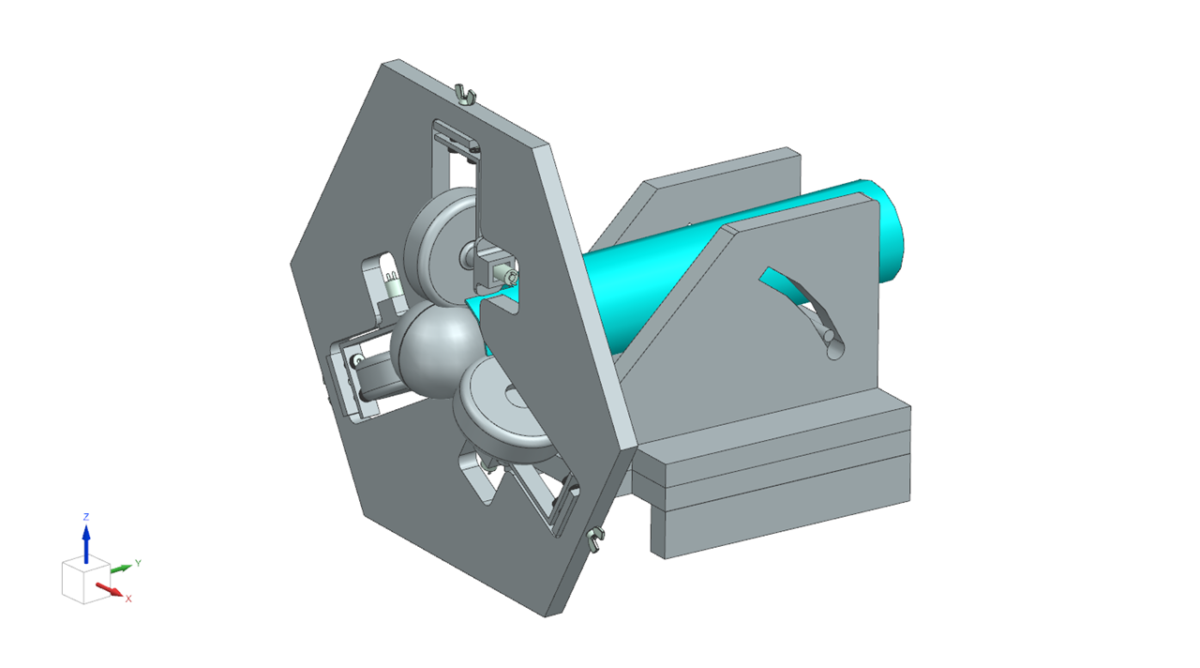
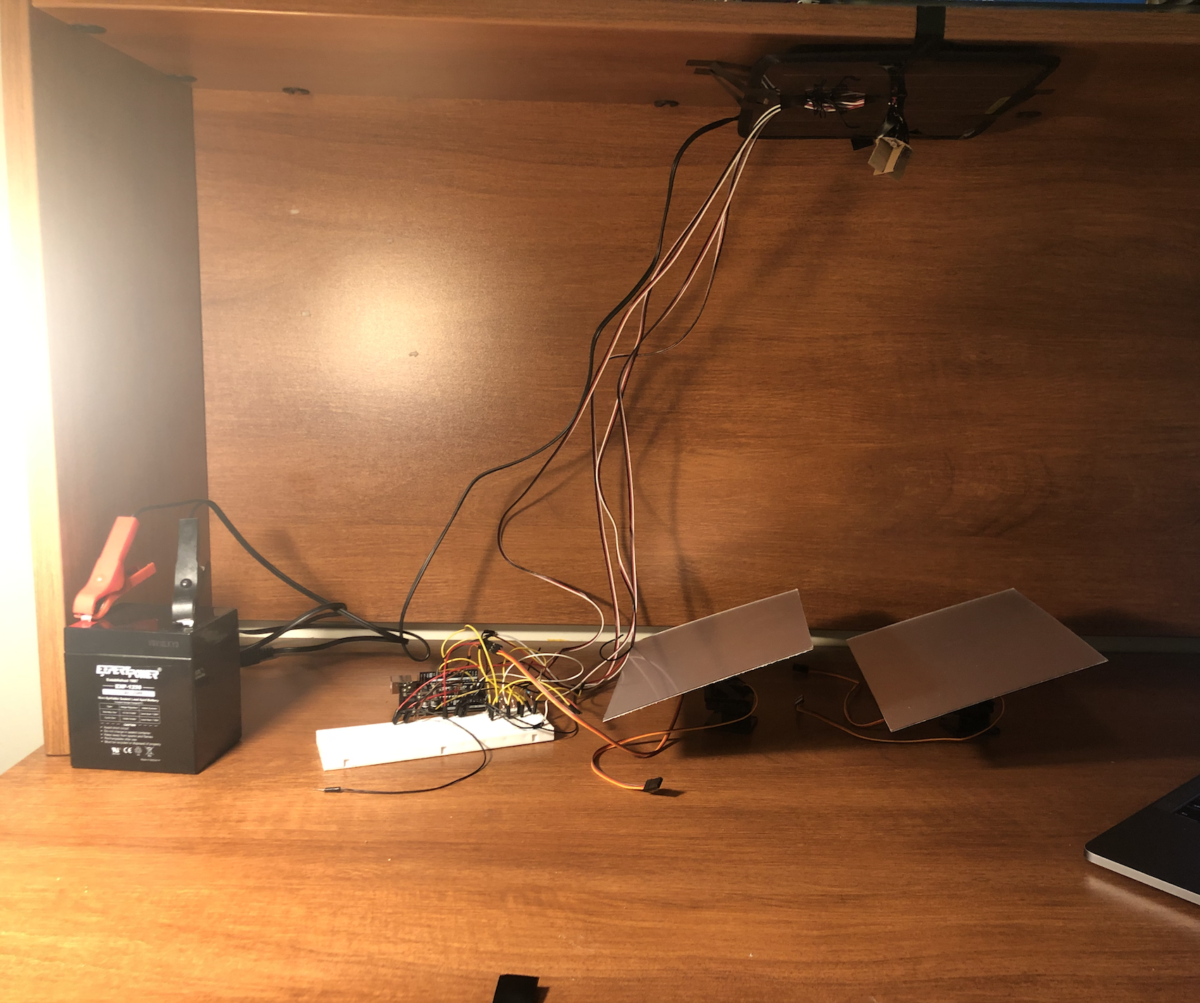
L3Harris Technologies is an American defense company that builds a variety of mechanical, optical, and electrical systems. The Rochester division designs and builds systems for space applications. Optical space telescopes are widely used in both Earth and astrophysical observations and play a major role in scientific and national security. For optical telescopes to function properly and take clear images, their optics must be precisely aligned to focus light. However, during the launch of the telescope, the relative positions of these optics can change. The goal of the project is to build a mechanism to finely adjust the position of these optics to enhance resolution and accuracy of the telescope images. This improved image quality has significant implications for both terrestrial and space observations with applications to scientific research and national security.
Drill Powered Carts 1
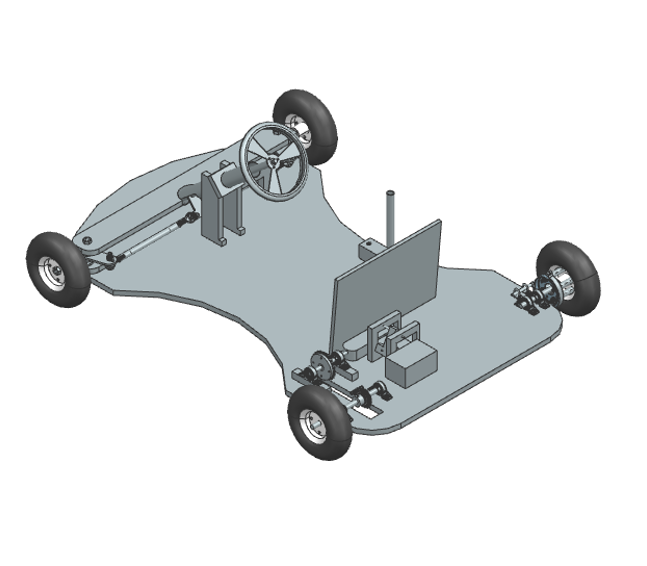
Our team, along with Drill Powered Carts A have built a fully functioning, energy-efficient, and sustainable vehicle, which will be powered by a single electric power drill. By doing this, each team hopes to not only show people that electric-powered transportation is possible, reliable, and easy but, whose cart is the best. The two teams will face off in an endurance race to see which cart can make the most laps around a race track at the University of Rochester River Campus. This will show which team has the most optimized mechanical design.
360 Optical Mounts
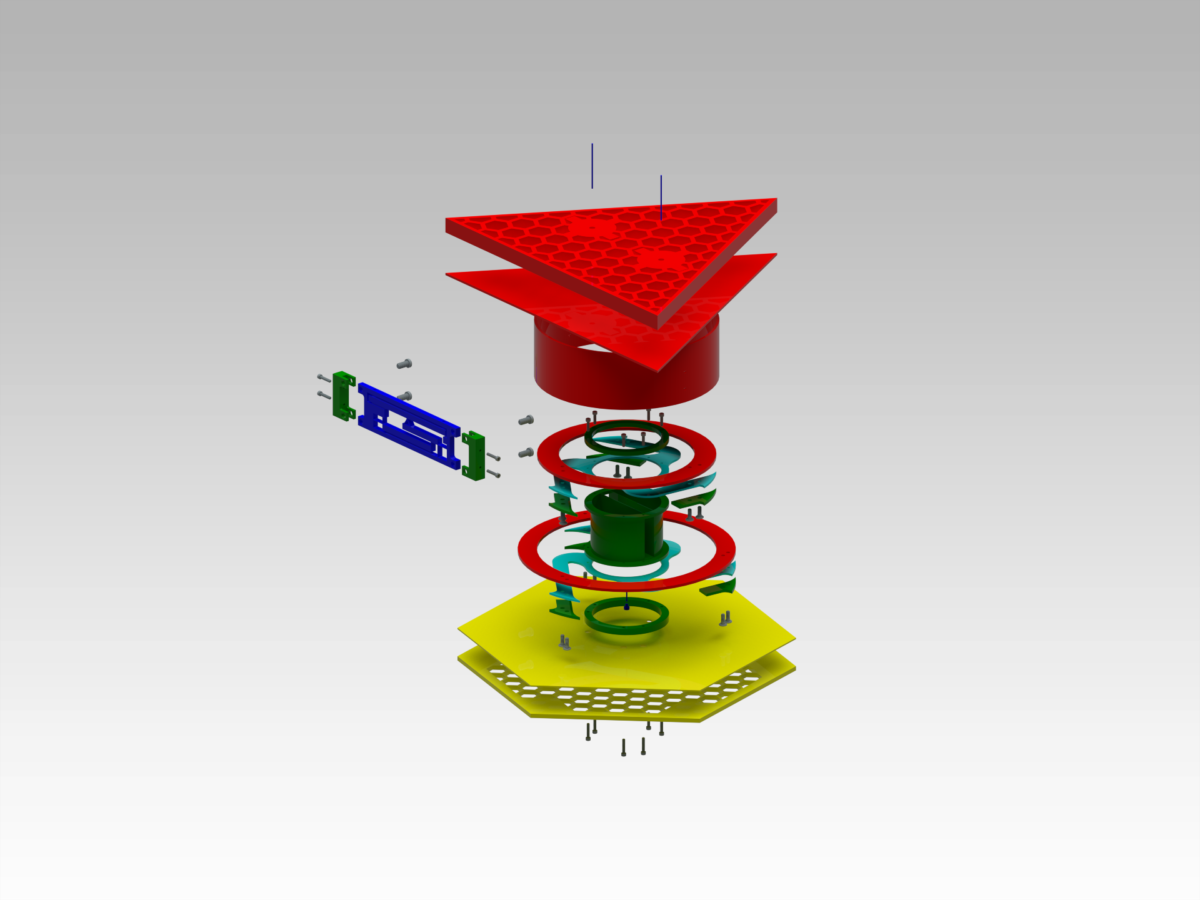
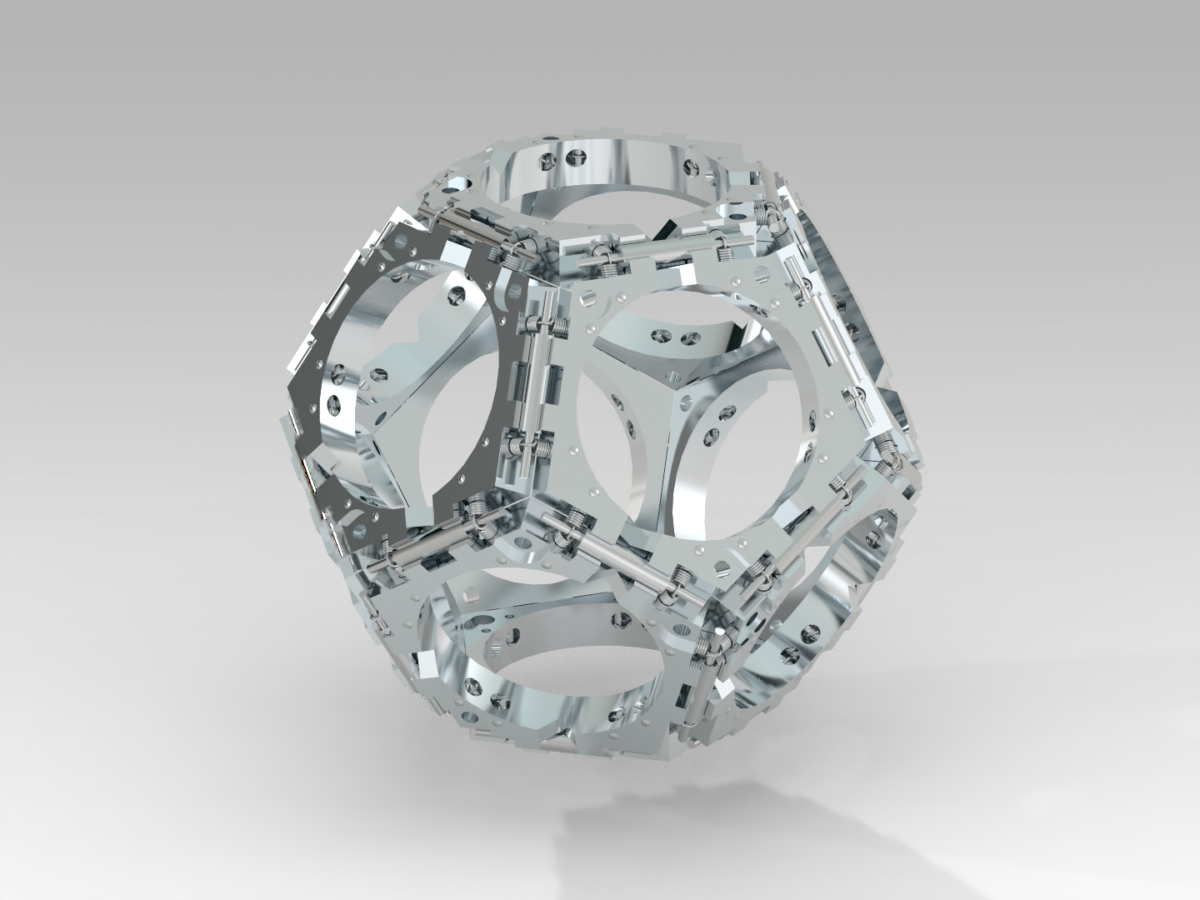
Several optomechanical applications have a need for a 360° kinematic mounting system capable of withstanding thermal loading due to heat generation from electronic devices. It is advantageous for optical systems to have a repeatable and controlled, known distance between devices such as optics, sensors, light sources, mirrors or assorted non-optical sensors. The team was able to design a thermally stable spaceframe solution, capable of reducing movement of any assembled components to minimal displacements on the order of microns.
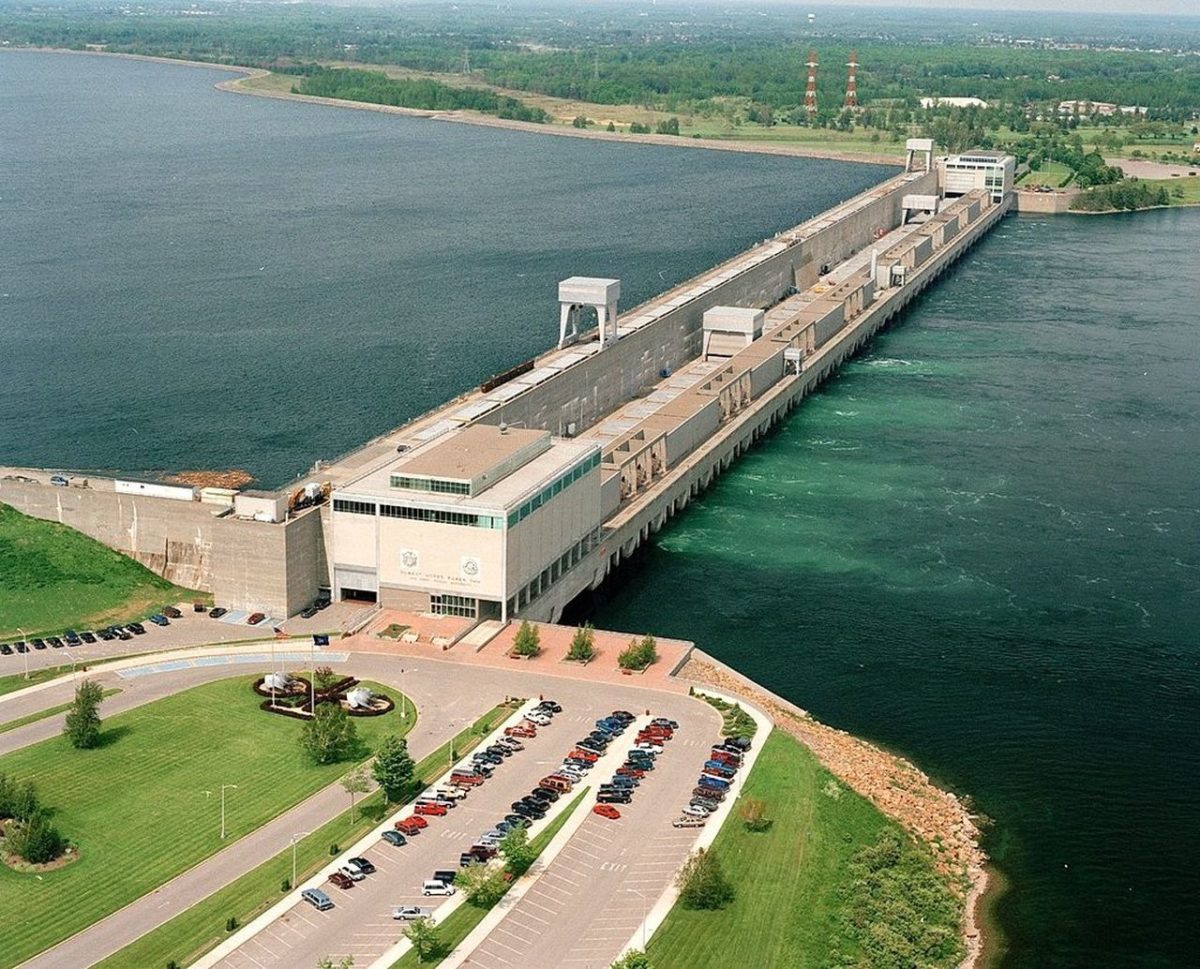
81 Moses-Saunders Dam, St. Lawrence Seaway, Lake Ontario
Verifying Lake Ontario’s Water Level
The Caldwell-Fay equation (2002) attempts to model what Lake Ontario's current water level would be if dam construction had never taken place along the St. Lawrence Seaway (i.e. the natural hydraulic state of the lake). Newly unearthed Lake Ontario data going back to the 1860s has been discovered, and we had the rare opportunity to be the first to digitize and publicly analyze it. Since this data set predates any dam construction it actually captures the lake's natural state. Therefore it can be used to verify Caldwell-Fey's equation which is being used to govern the lake's inflow and outflow rate on a daily basis.