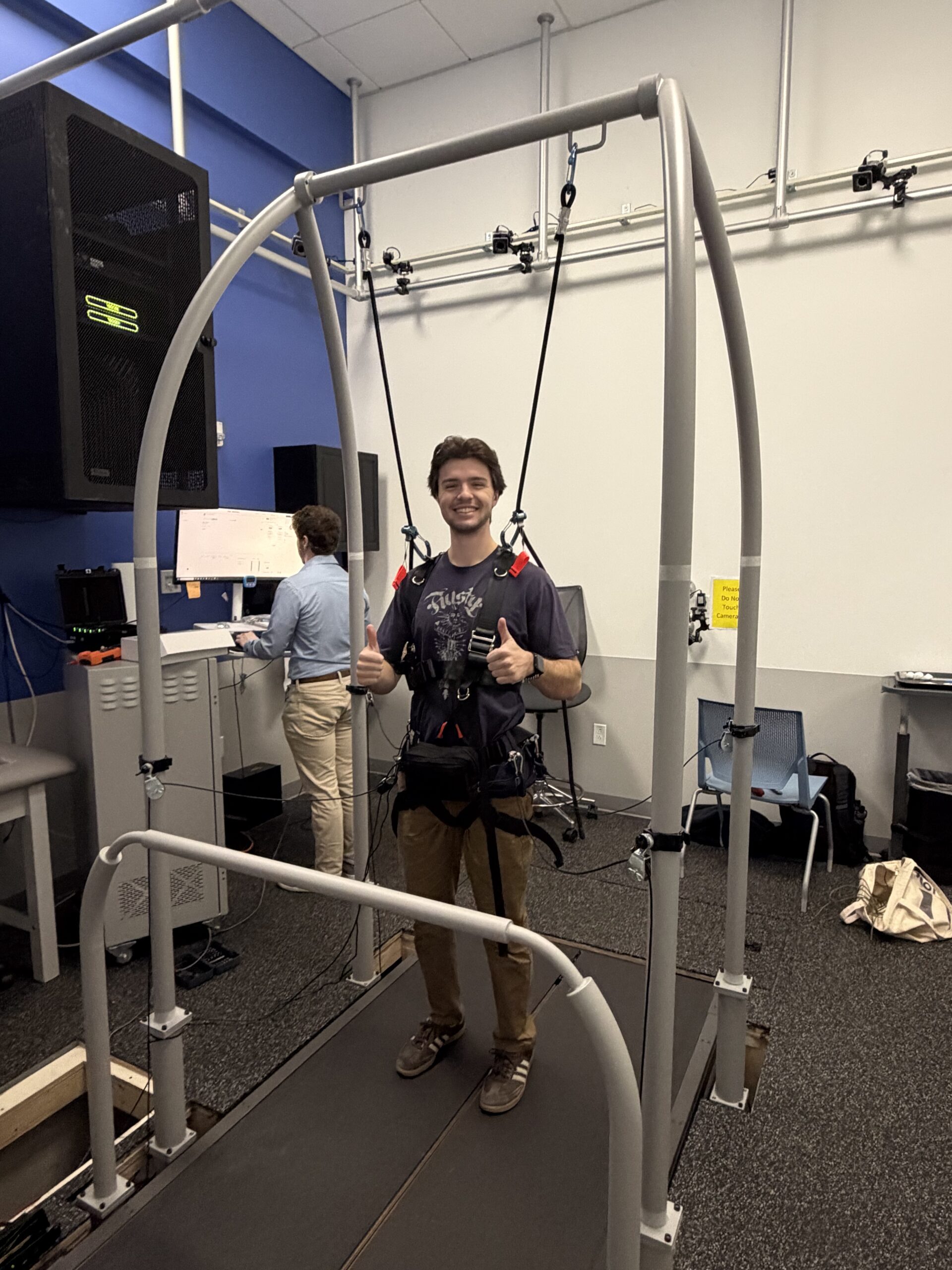
URMC Motion Lab Perturbation Device
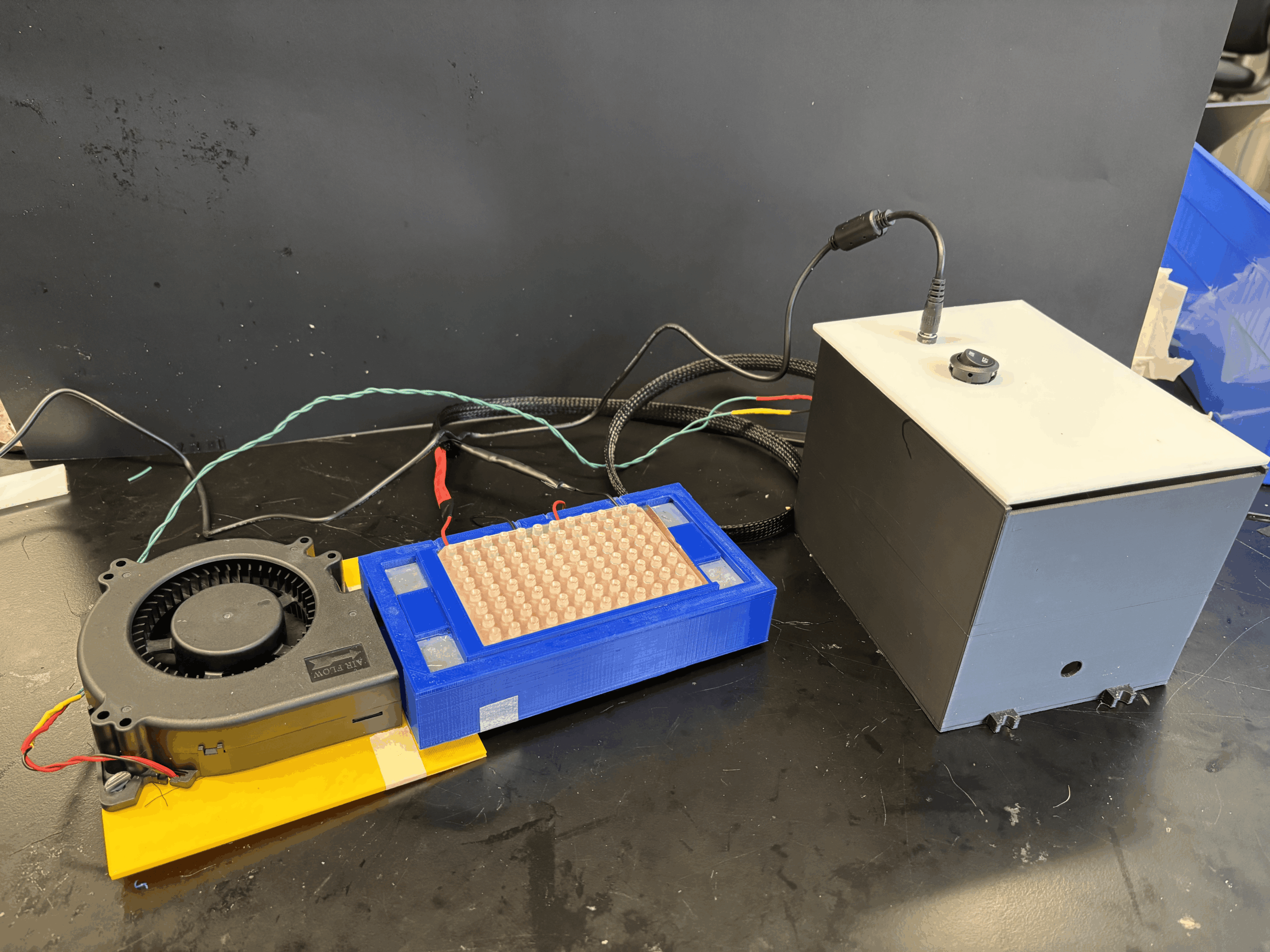
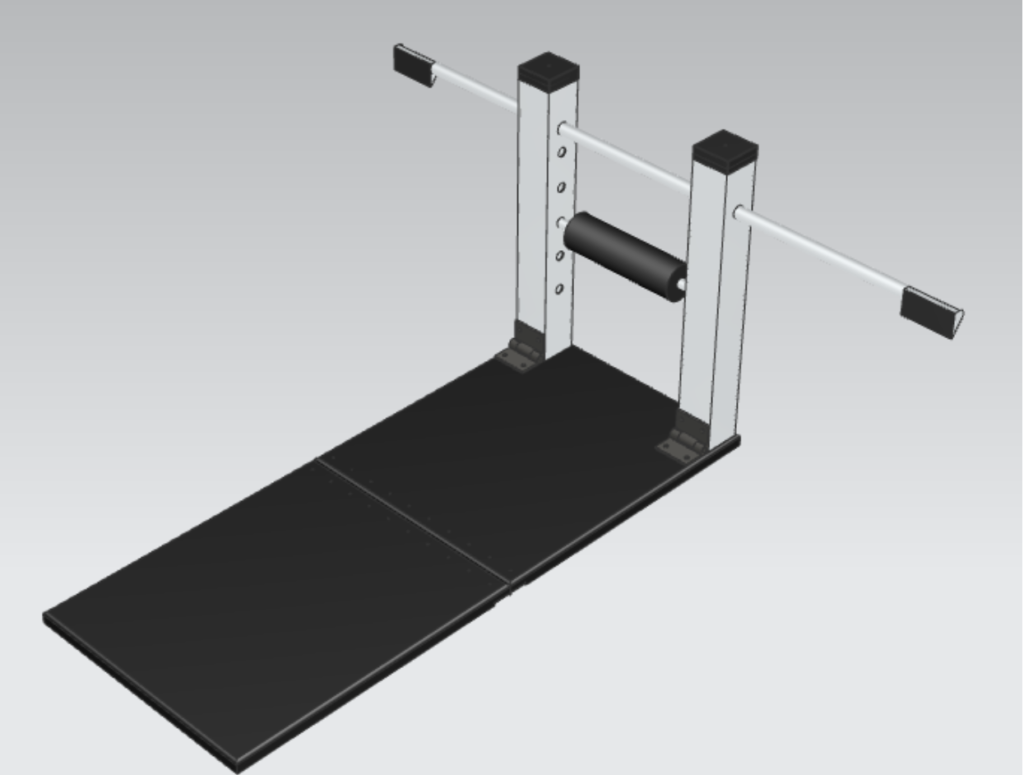
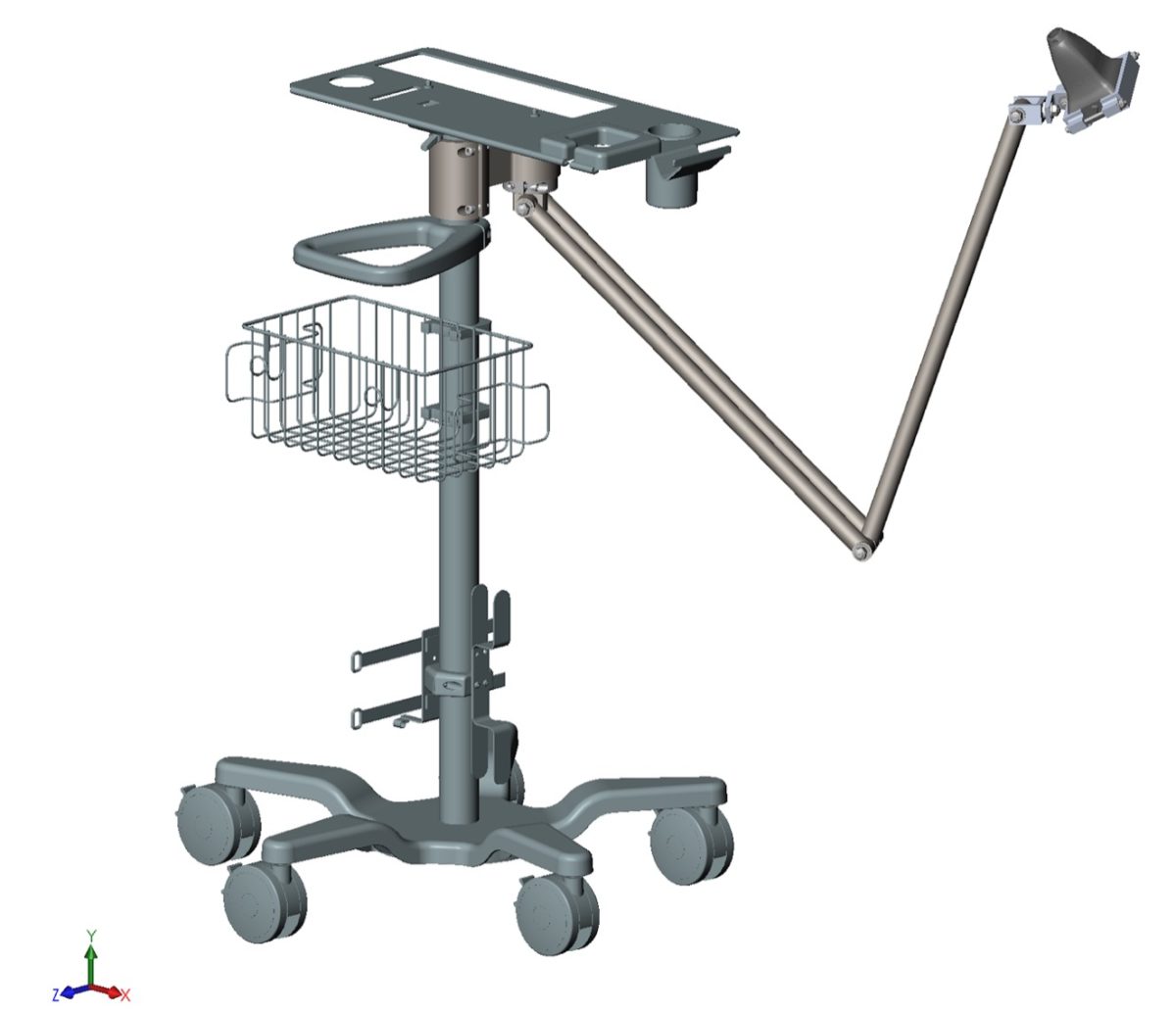
Project Overview The team worked with the sponsor (University of Rochester Medicine Motion Analysis Laboratory) to engineer and develop a prototype of an integrated harness for their perturbation device as…
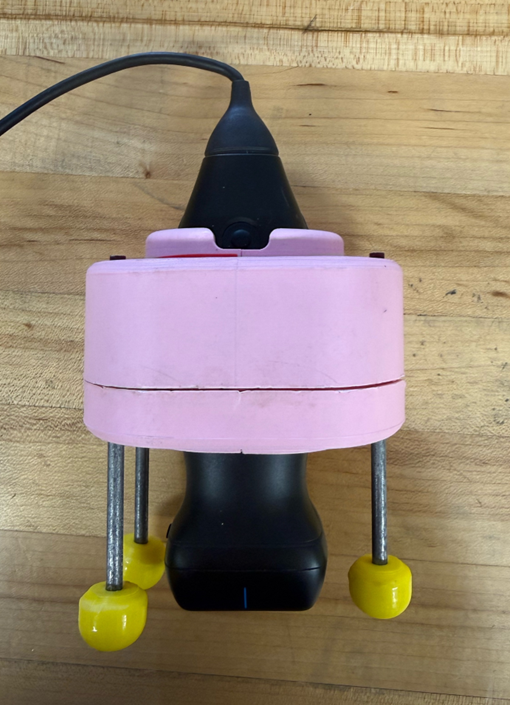
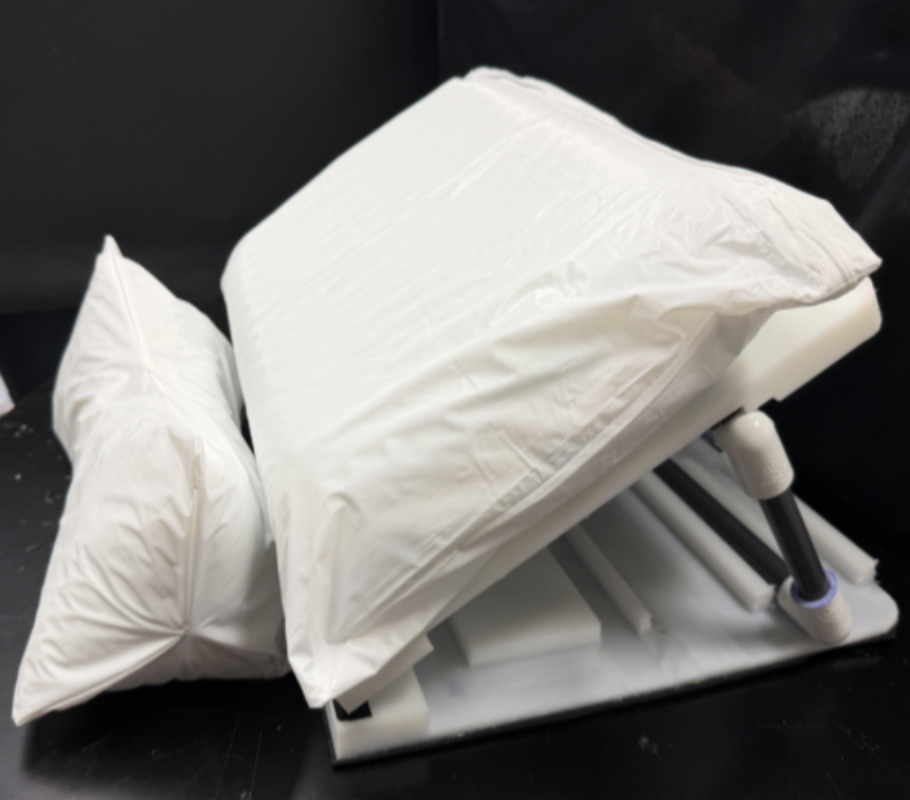
Abstract This project aimed to address the issue of limited access to obstetric ultrasound examinations in low- and middle-income countries (LMIC) by reducing or eliminating the necessary training to perform…
The C-Posture Patient Positioner is an ergonomic cervicothoracic device that enhances the comfort of cesarean section patients while enabling rapid airway access and positioning adjustability to reflect surgical needs that…
Making Single-Cell Proteomics More Accessible Unlike DNA and RNA, protein expression cannot be amplified. This makes single-cell proteomics research highly sensative to sample loss. The cellenONE single cell dispenser offers…
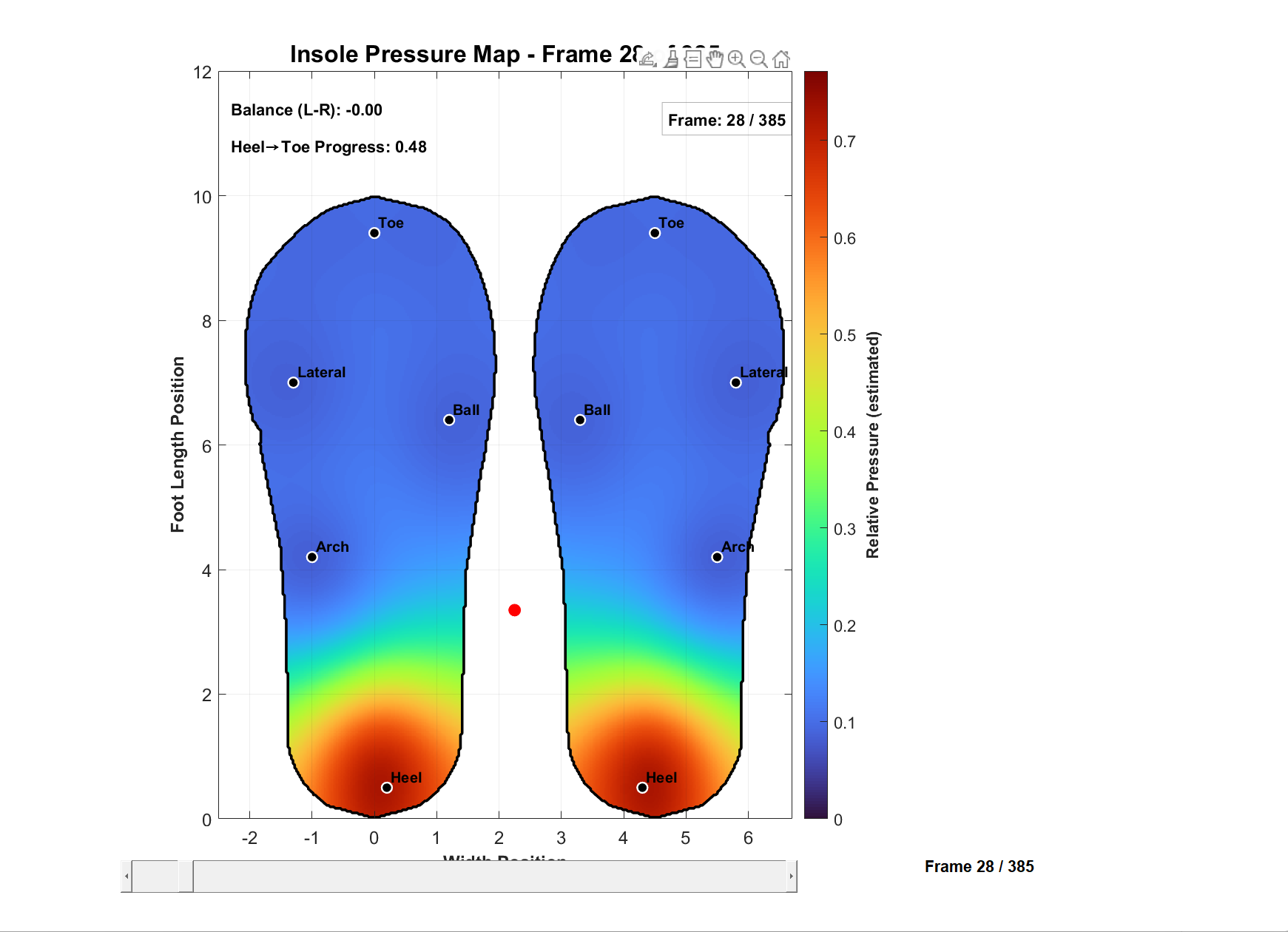
Project Outline Our Performance Analysis Shoe consists of 5 piezoresistive sensors that alter resistance based on pressure and are connected in series with a known voltage value. We utilize an…
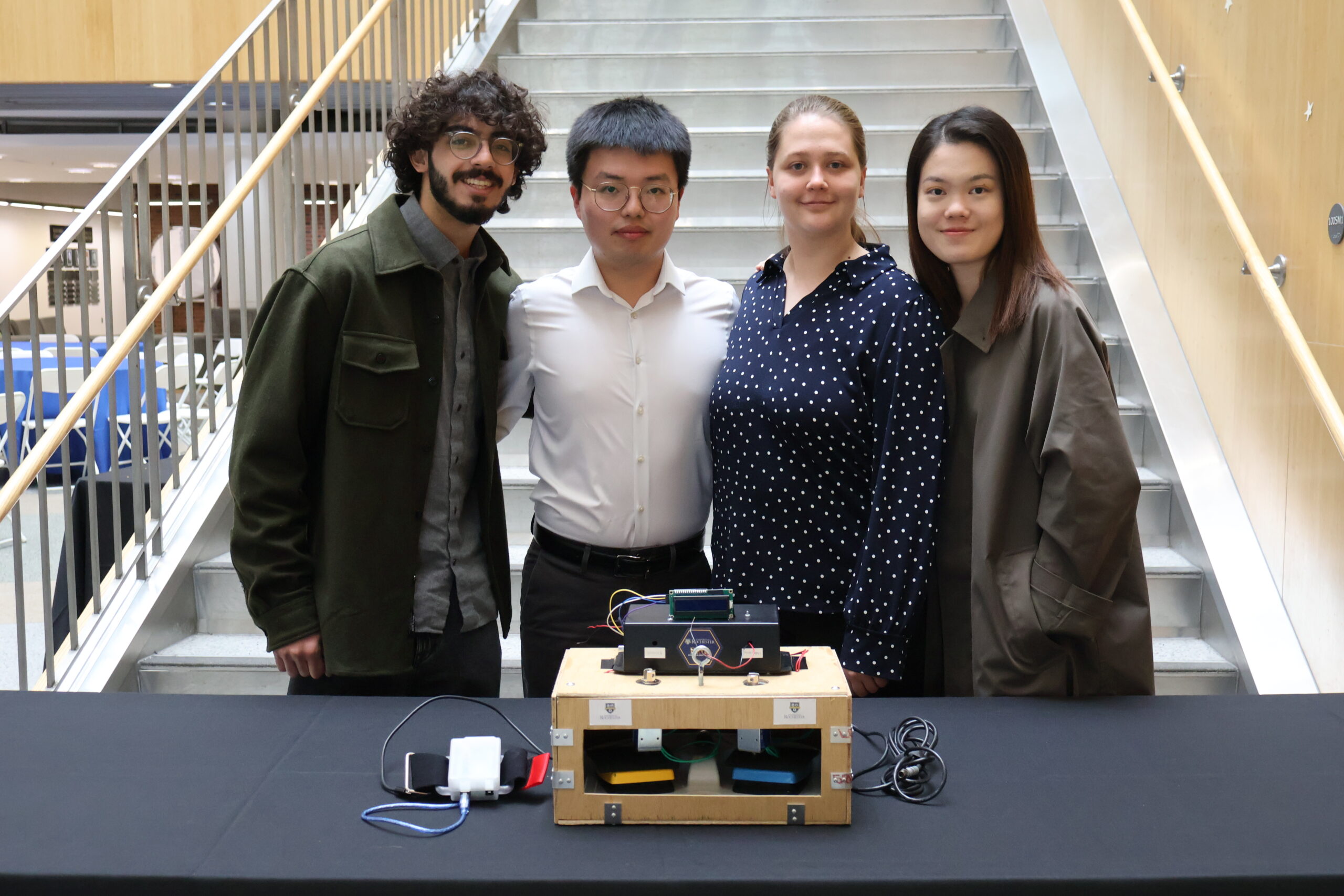
Wireless Multi-Modal Foot Interface Controller Improving Ergonomic Efficiency in the Operating Room Project Team Members Will DeCotiis, Jason Lin, Anastasiia Rudaeva, Wenqi DiDepartment of Biomedical Engineering, University of Rochester Team…
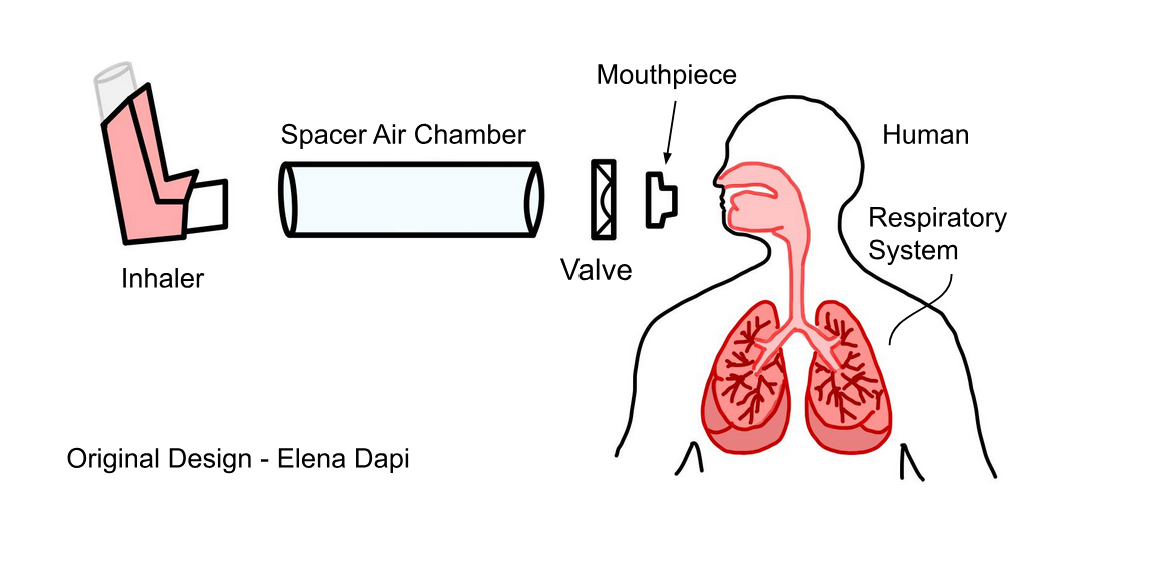
Our Mission SpacerScope aims to improve the everyday use of inhaler spacers by reimagining spacers to be a collapsible device with a two-way valve system. Our goal is to…
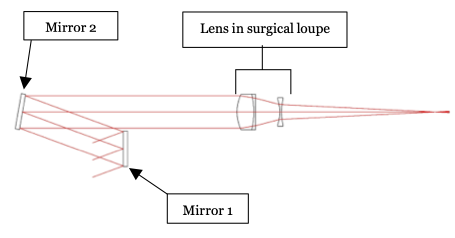
A device that allows surgeons to adjust the declination angle of their loupes to improve posture during long operations.
ML Based classification model to detect triage level for patients arriving at trauma centre, and thus allocate appropriate resources. This was achieved using patients’ data from URMC (Department of Paediatrics).
This project investigates the associations between geriatric assessment based features and relative dose intensity of chemotherapy. It is at the first few phases of Wilmot Cancer Institute’s Ger Oncology Research team at University of Rochester Medical Center. The team refined the data preprocessing pipeline, built predictive models and employed feature selection on the dataset, providing insightful suggestions for future work in cancer studies.
A novel surgical caliper to measure the width of the facet joint during a laminectomy.
The Portico Laminoplasty Fixation System allows surgeons to perform open-door laminoplasty using only one fastener.
A method to capture calcium debris in order to limit stroke incidence.
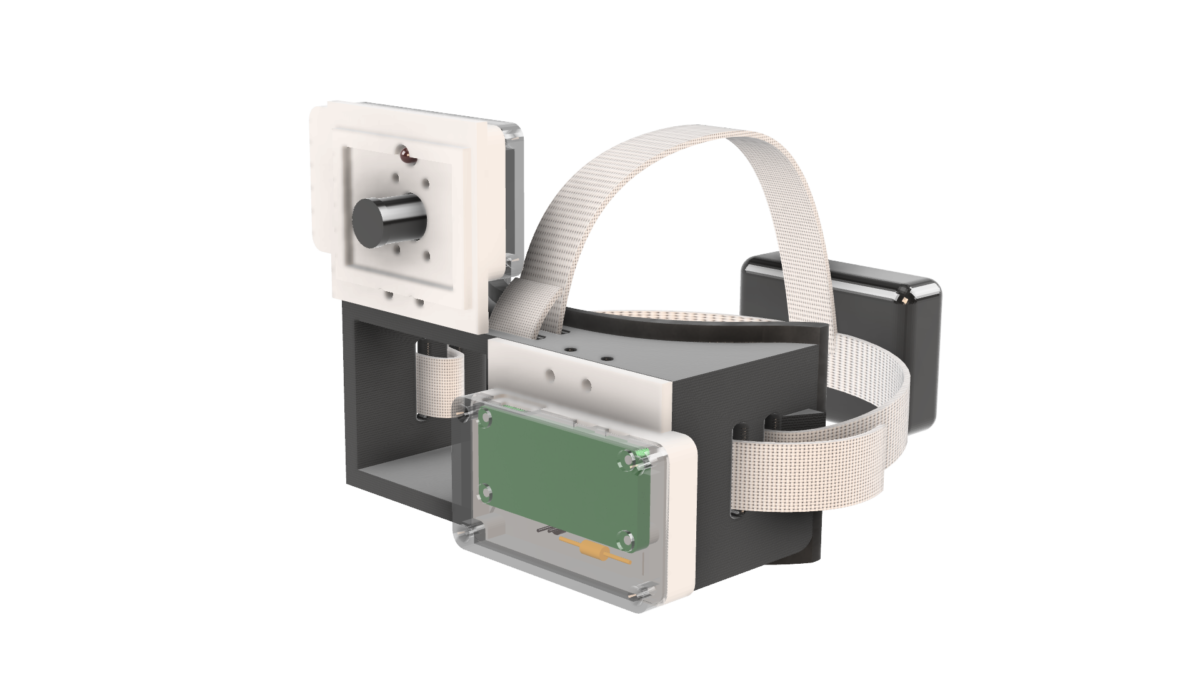
A wireless Video Oculography system with two cameras to efficiently and accurately diagnose vestibular disorders
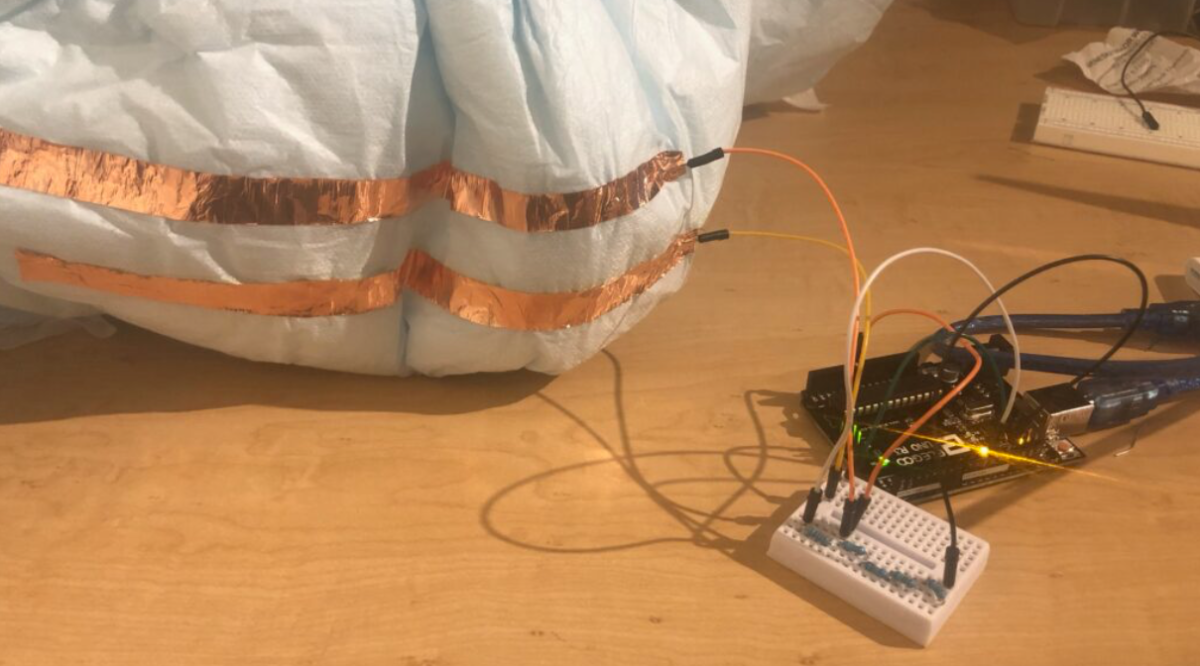
A device to detect urinary incontinence due to loss of bladder control.
A new mechanism for patient transfers that will minimize the prevalence of back injuries in nurses during lateral patient transfers, while sustaining the safety of the patients.
A creative device to protect medical professional from radiation with females physiques in mind
A surgical simulator with realistic sensory feedback for total knee replacement surgery training.
A cervical orthotic for patients experiencing head drop due to neuromuscular diseases, such as ALS. The brace will focus on support, comfort, and controlled motion.
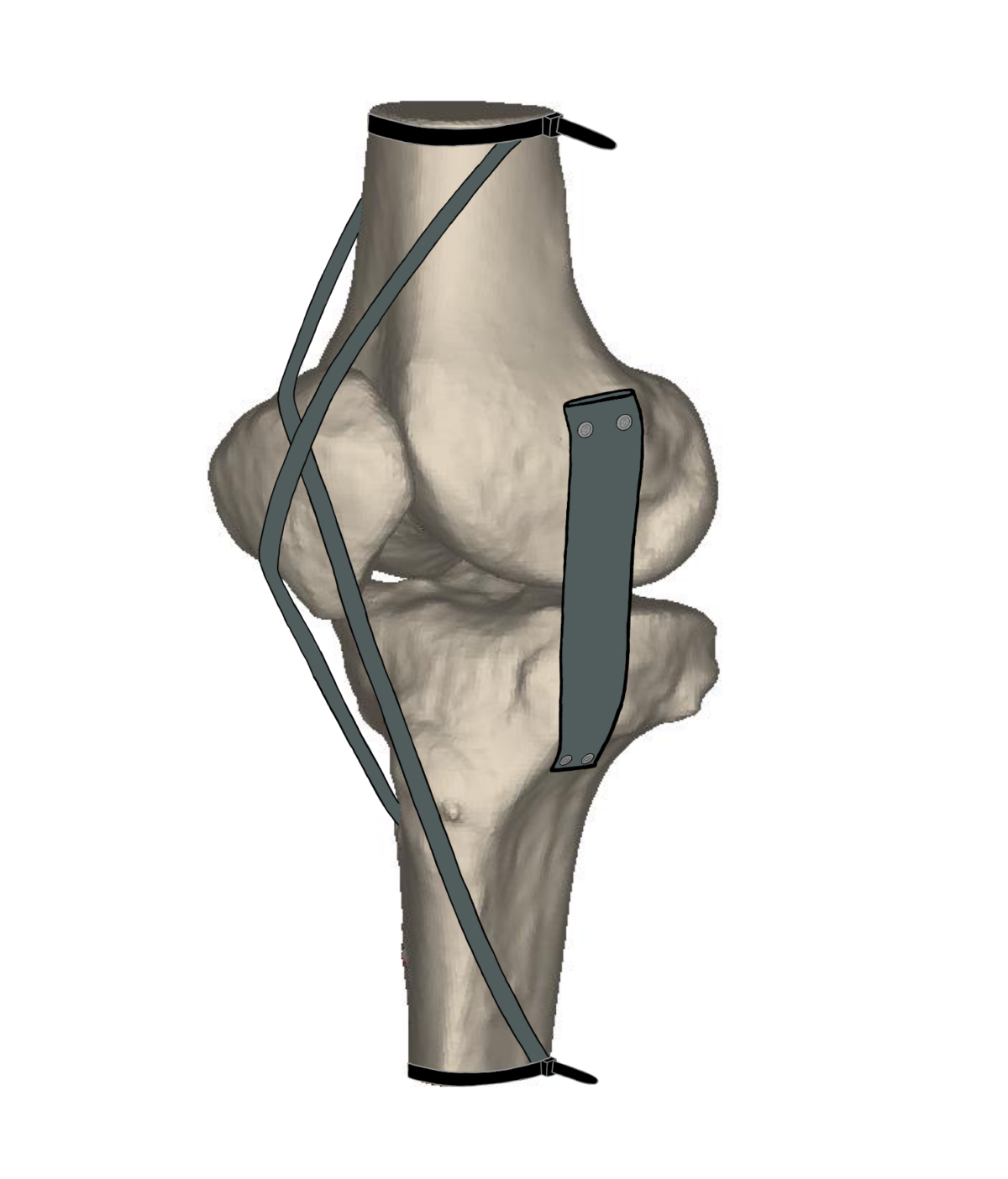
Creating an affordable, accessible, and effective home exercise device to target chronic knee pain.
To design a cassette for a cost effective and fast HIV viral load assay to increase testing accessibility in areas such as sub-Saharan Africa where HIV rates are highly prevalent.
A benchtop inline analyzer to measure the concentration of urea in spent dialysate.
An adaptor device able to attach to a ventilation/anesthesia mask to improve gaseous medication delivery to patients with facial hair.
A new wireless controller for the Action Trackchair to allow for use by a caregiver of those unable to control the chair on their own.
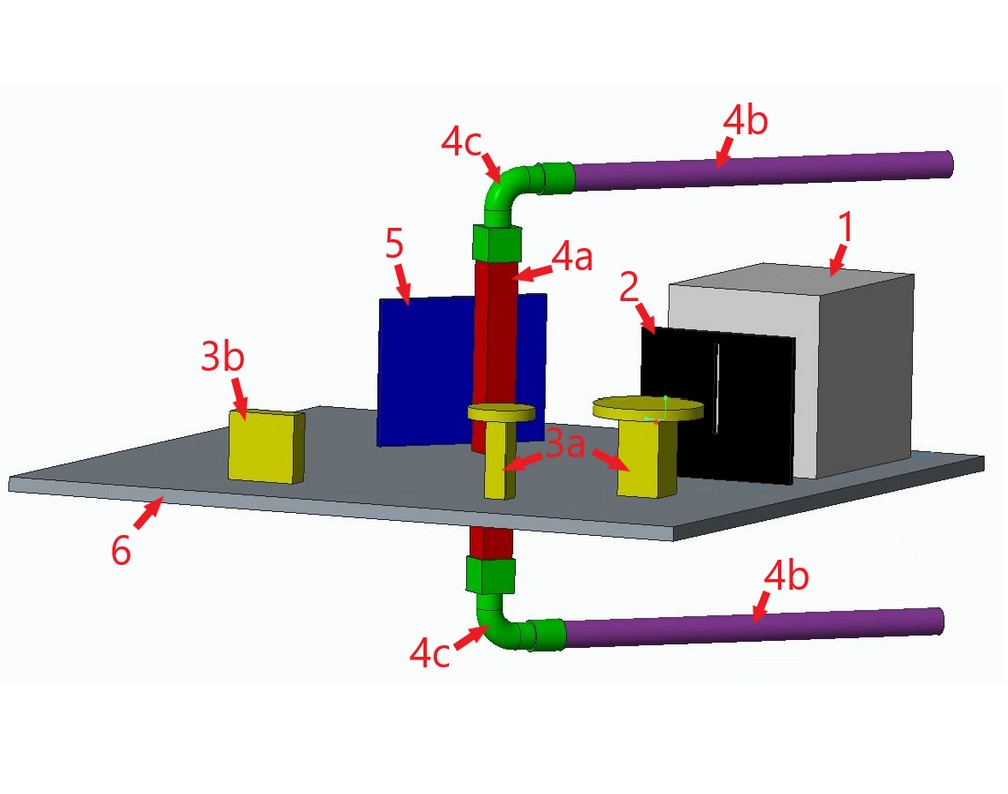
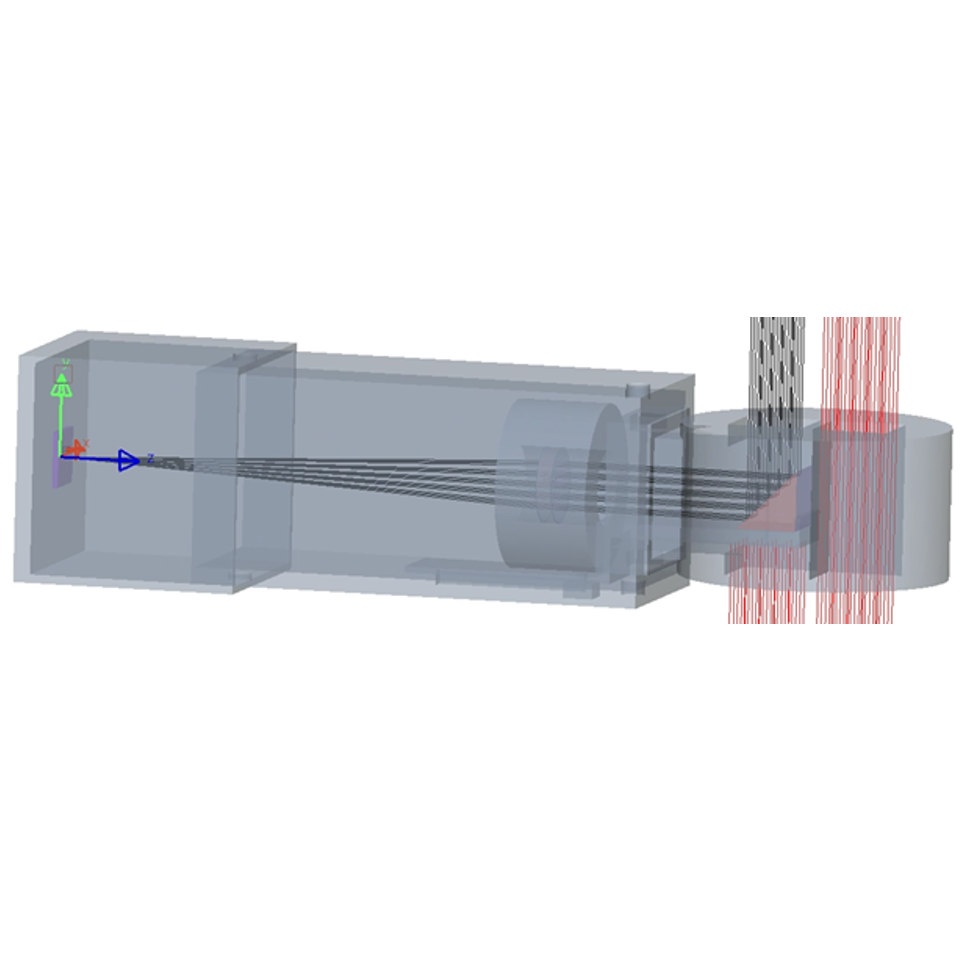
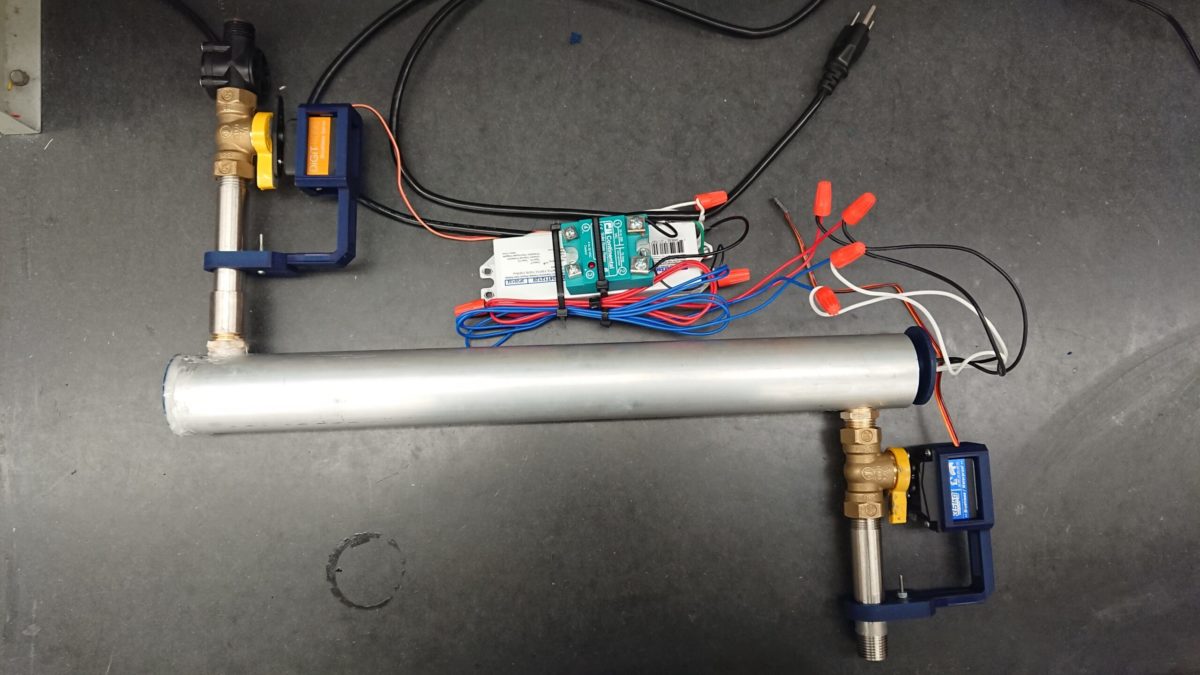
This system is a cheaper alternative option to chemical water treatment meant to sterilize drinking water with UV-C light by controlling water flow in order to achieve proper irradiation time.
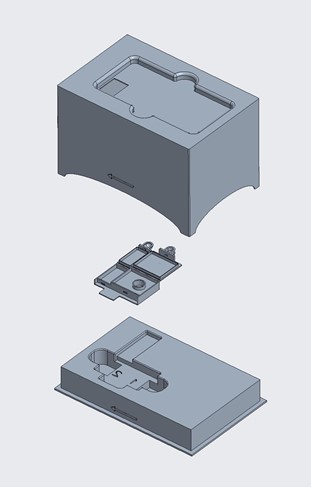
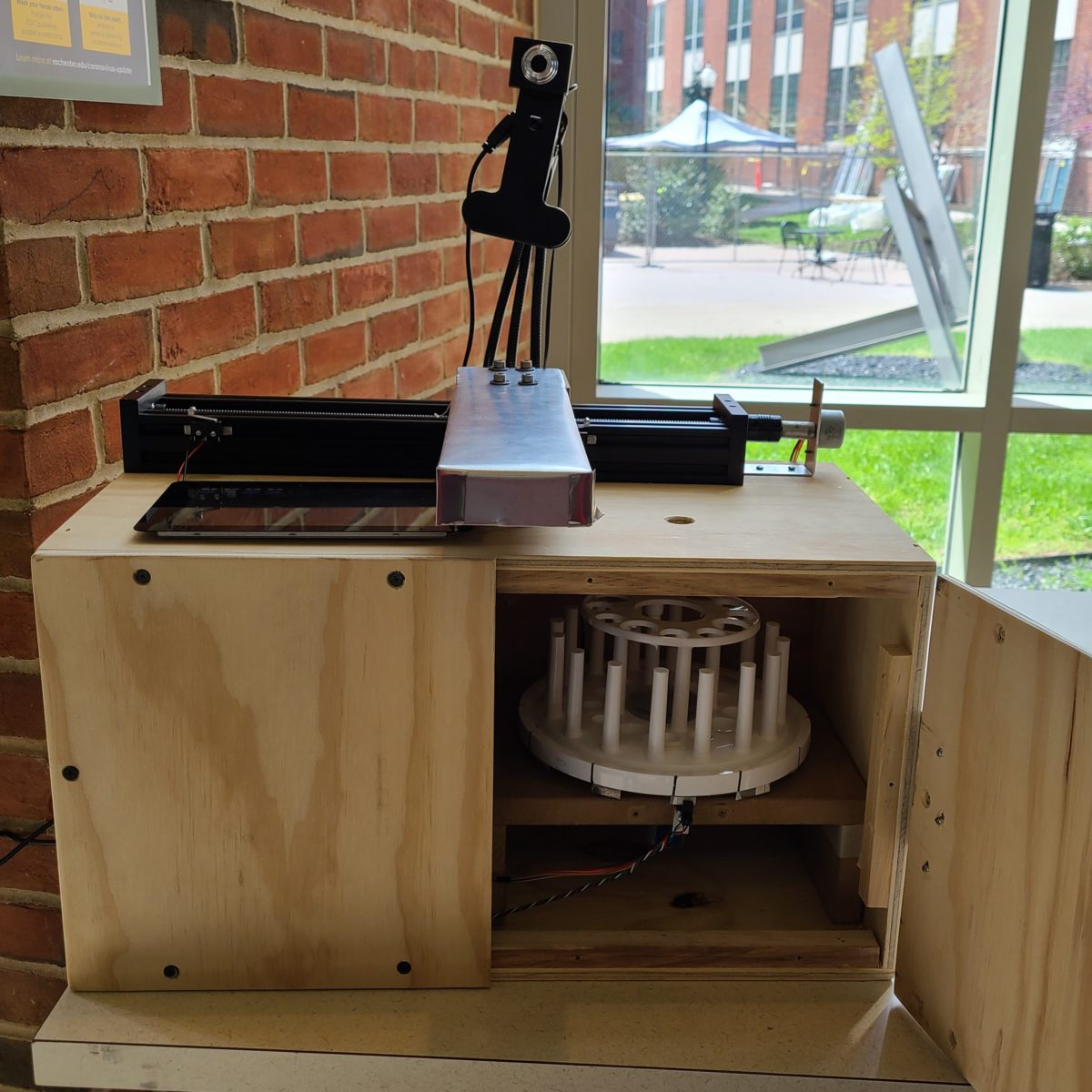
A stationary unit designed to help facilitate the testing and storage of COVID-19 tests.
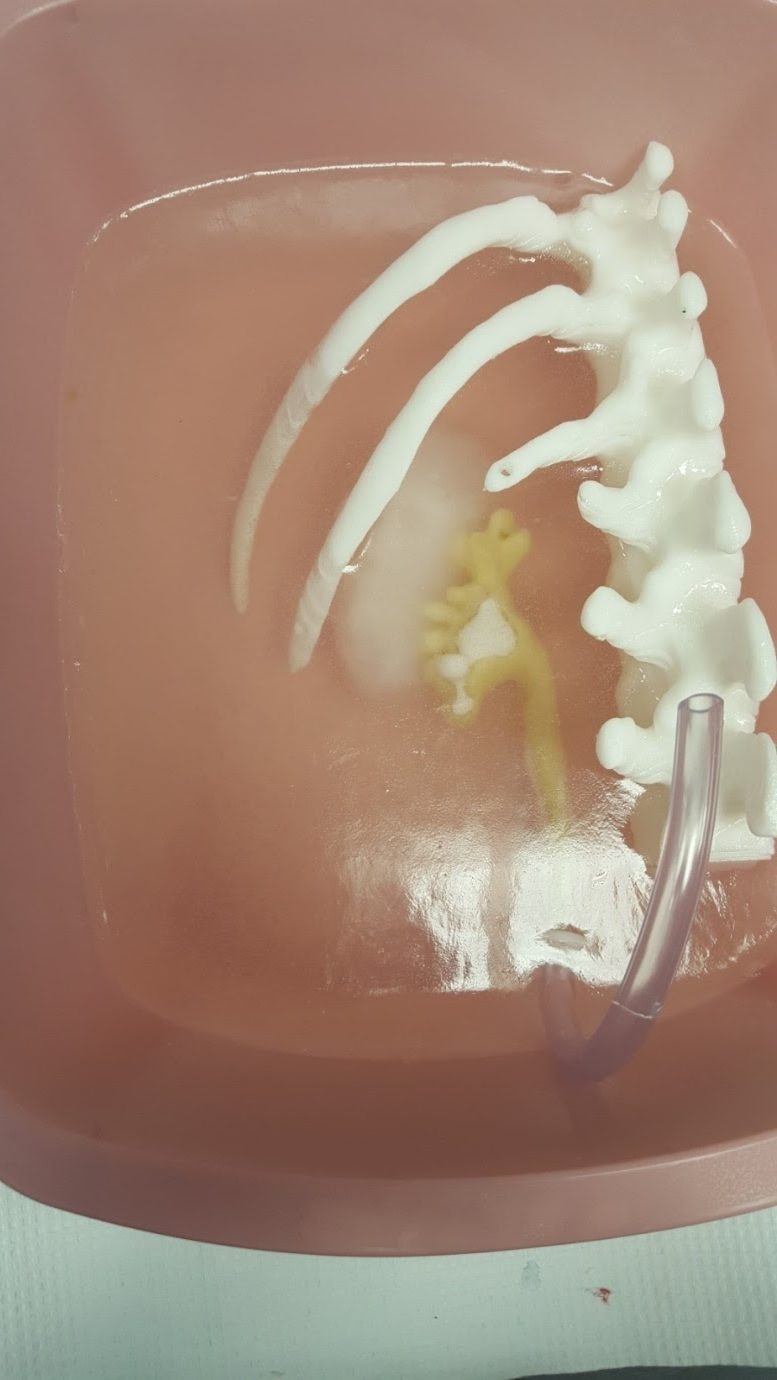
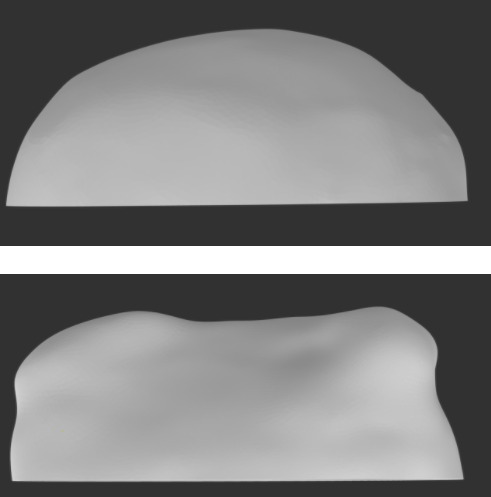
The URMC Kidney Model Optimization Project aims to create a polymer material that can simulate the human kidney for practice by surgical residents.
Bimpe Isafiade, Harshita Mahaseth, Natalie Ramesh, Baris Eser Ugur
A surgical drain is placed within an internal wound site to prevent fluid from accumulating in the body throughout the patient’s recovery. A suture is currently used to secure the drain to the patient but has multiple shortcomings including infection risk and failure over time. We have worked alongside Dr. Sara Neimanis to create a new securement device that minimizes infection while durably securing the drain over extended periods of time.
The cautery phantom senior design team will engineer and improve a system that will arrest artificial blood flow in response to electrocautery in a tissue phantom manufactured by Simulated Inanimate Models, LLC (SIM). To solve this problem, we have investigated methods of vessel constriction by lining the tissue phantom blood vessel wall with a thermoresponsive material, coagulating the artificial blood by introducing proteins and chemicals into the mixture, and by making the blood vessel with a shape memory polymer.
Development of polymers to simulate kidney tissues for surgical training of medical students at UR Medical Center.
Cataracts, a hardness and opacifying of the lens, is the leading cause of curable blindness worldwide, with the majority of cases occurring in developing countries where trained ophthalmologists are scarce. Our project is to develop a device to be used for a simplified cataract surgery that will insert a cylindrical intraocular lens into the cataract. By simplifying the procedure, more healthcare providers can be trained to perform the procedure, increasing the accessibility of cataract treatment in developing countries.
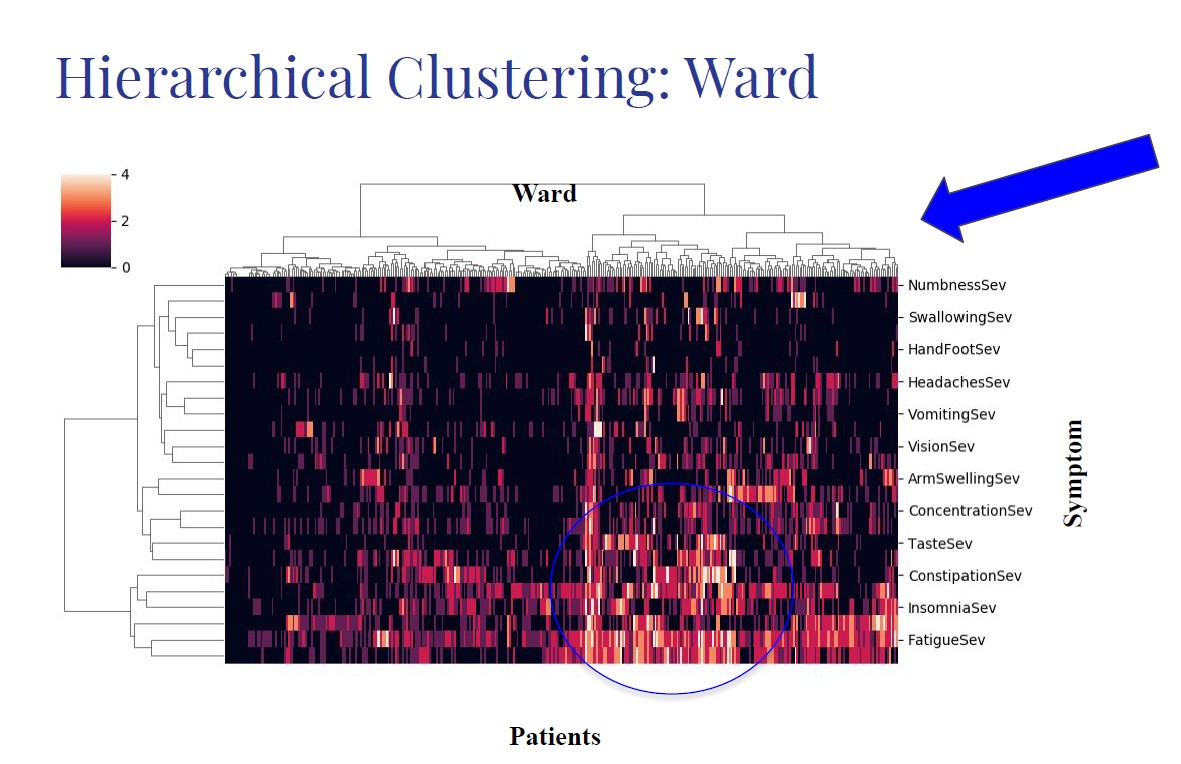
We were given a patient reported symptoms dataset PRO-CTCAE and applied a variety of clustering methods. The clusters were then statistically tested for associations with a selection of outcomes such as hospitalization. We found significant associations with clusters and outcomes and compared it to linear regression results.
The aim of this project was to design a device capable of removing impacted food boluses in pediatric patients both more efficiently and more quickly compared to current industry standards.
Our project focuses on solving the need to decrease the amount of muscle obstruction during minimally invasive lumbar surgeries in order to increase the surgeon’s visualization of the surgical field. We developed a medical device that decreases the muscle obstruction by expanding an inflatable at the base of a cylindrical port. The product was tested in a PVA mixture that resembles similar material characteristics as muscle which proved the plausibility and efficacy of the concept.
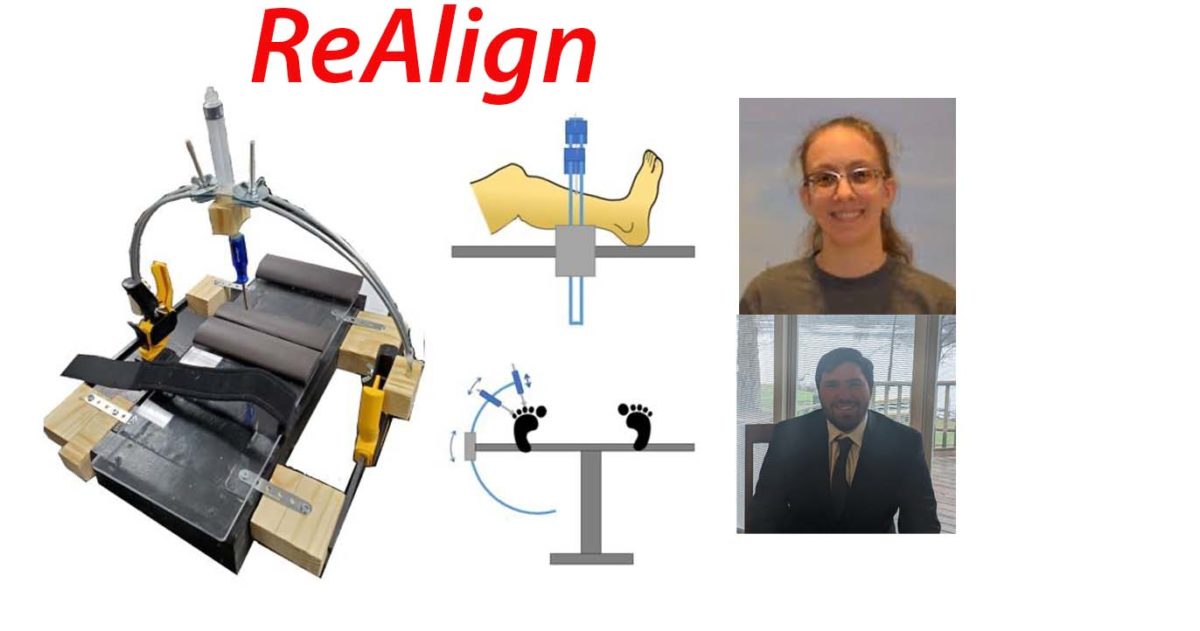
Tibial shaft fractures are a common injury and may require surgical intervention. During our team’s observation of trauma surgeries at Strong Memorial Hospital, we found the procedure was inefficient. Tools used to align bone may move, and people holding alignment are prone to fatigue. Each time a tool moves, alignment is checked or redone using X-ray. Our device clamps to the surgical bed and locks the position of instruments reducing staff needed to hold alignment and increasing efficiency.
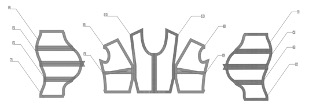
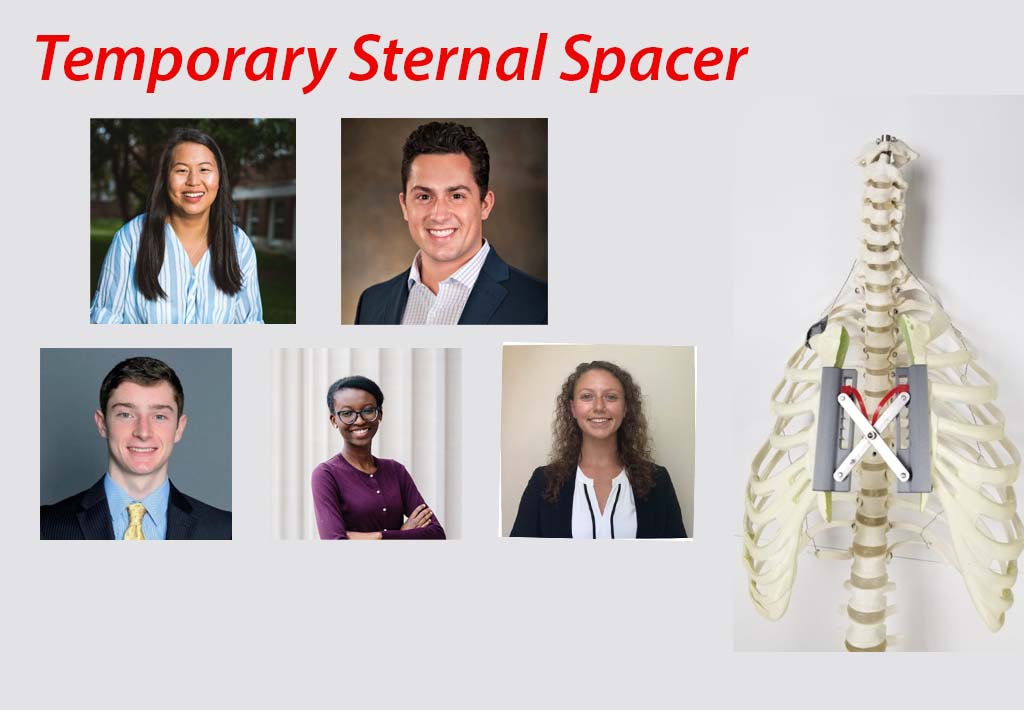
Various post-operative complications may lead cardiac surgeons to opt for delayed sternal closure following open heart surgeries. Patients’ sterna are left open and they are cared for in the intensive care unit for 1-7 days. In the ICU, bedridden patients are turned to prevent pressure ulcers and for linen changes. During these turns, the sternal halves rotate and twist, potentially leading to injury or death. Our device stabilizes the sternal halves during transport and turning, greatly increasing patient safety.
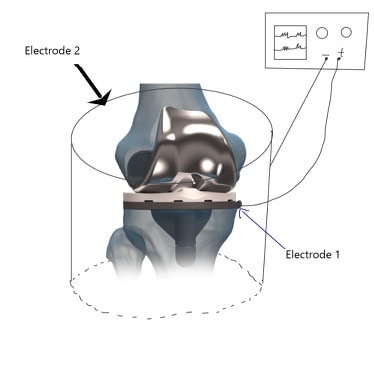
After a total knee arthroplasty (TKA) surgery, some patients experience infection at the surgical site. This infection is often associated with the formation of bacterial biofilm, and in order to treat this, the surgeon must remove and replace the implant with the risk of reduced mobility and bone fraction. Our project is to develop a medical device to eradicate the biofilm without the necessity to remove the orthopedic implant.
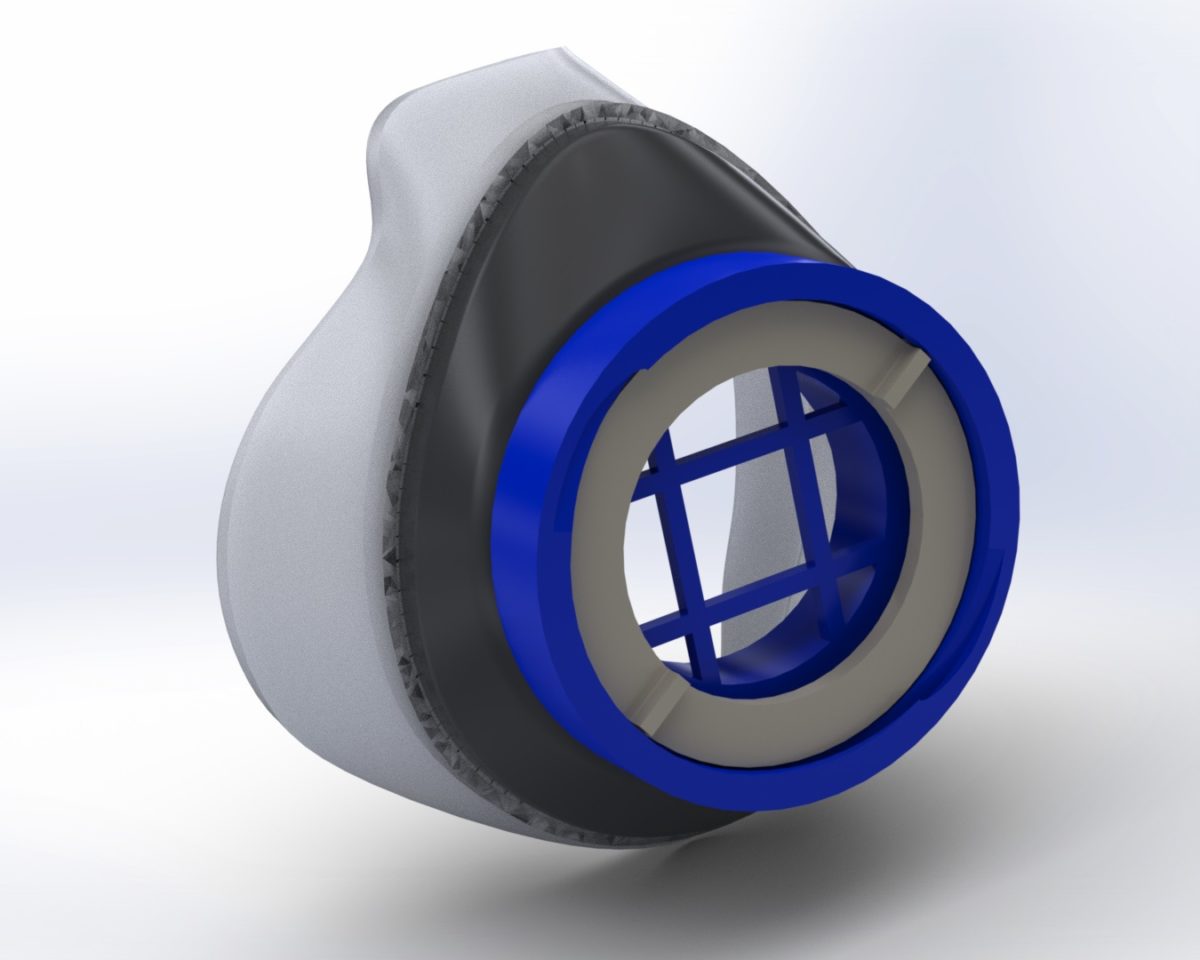
In response to the COVID-19 crisis, we are developing a mask that offers superior function in a fraction of the manufacturing time when compared to many emerging 3D printed mask designs. The design offers an improved seal around the face that is more comfortable, a more robust/airtight filter housing, autoclavable materials, and a quicker manufacturing method. This will allow local and national entities looking to produce DIY masks a better, faster alternative to 3D printing.
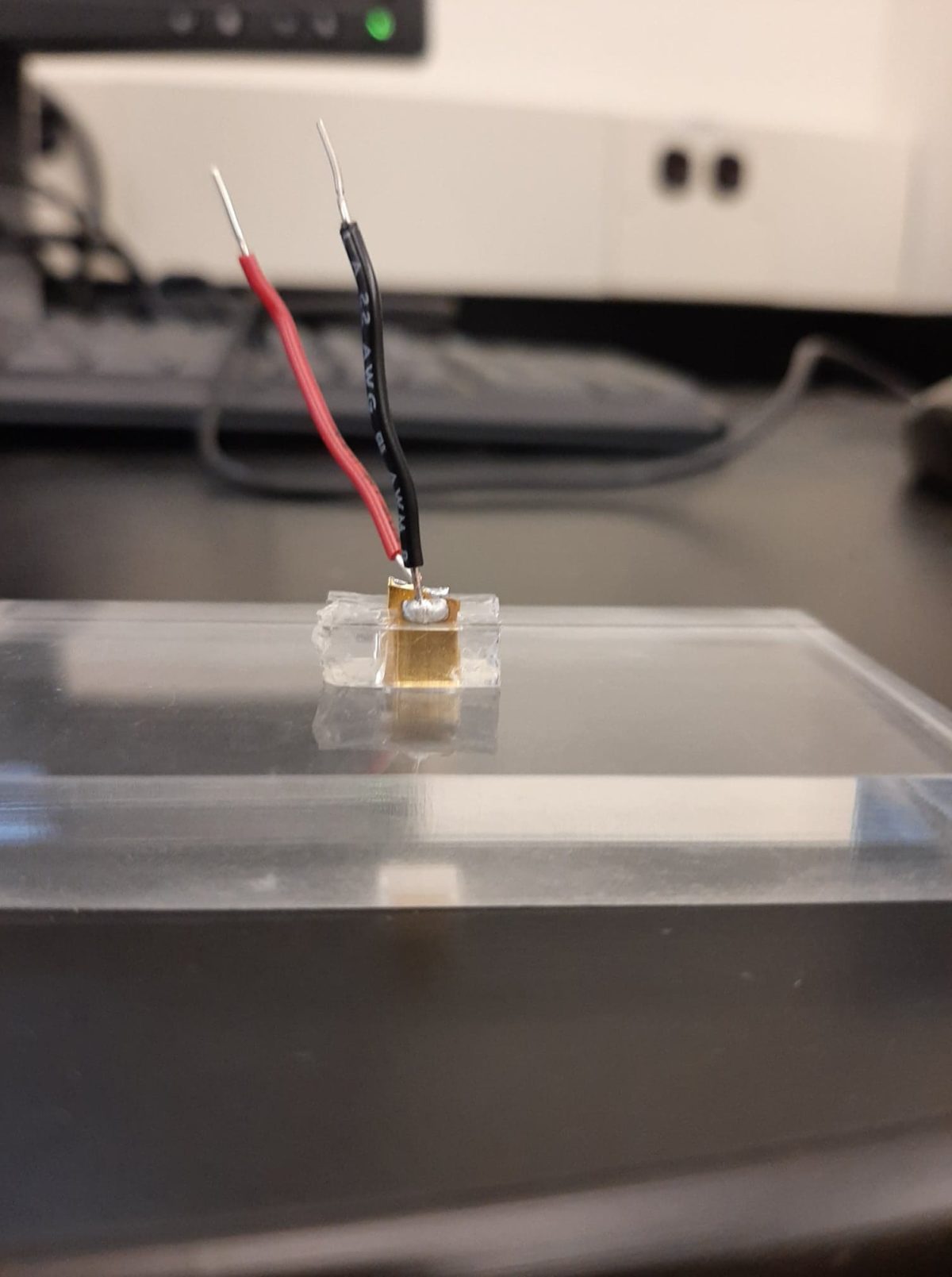
To create a device that is minimally invasive that will be used to measure a patient’s blood composition (hematocrit and blood plasma) using electrochemical impedance spectroscopy to track changes in blood volume.
Ten-μ solutions plans to introduce time and cost savings to the operating room (OR) through application-specific single-use instrumentation. Our instrument will allow surgeons to position and tension vessel loops at their discretion.
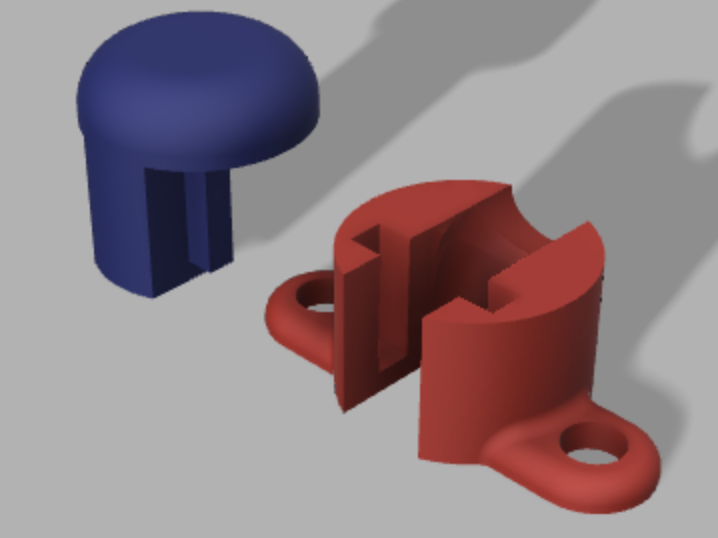
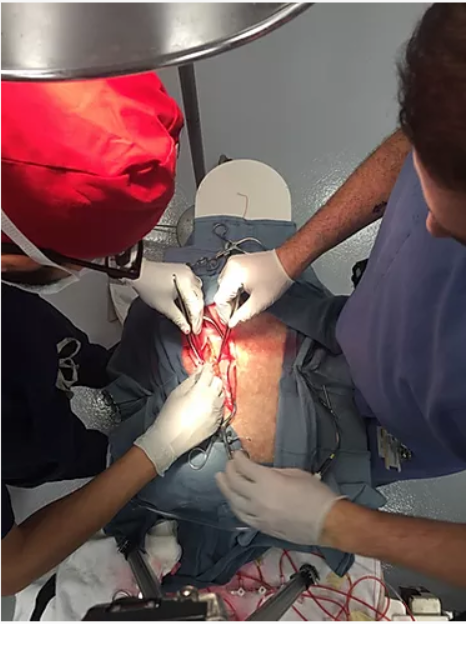
Brief Description: vasSecure aims to decrease carotid artery dissection rates during Transcarotid Artery Revascularization (TCAR) procedures by improving access and stability. The device allows surgeons to properly tension the artery while distributing the applied force, allowing surgeons to perform the minimally-invasive procedure effectively and reduce the risk of trauma to the artery.
The MRS is a specimen retrieval device that offers surgeons a way to remove malignant specimens during laparoscopic procedures without significantly widening minimally invasive incisions. The proposed device would use expandable braided sleeving to elongate and radially compress large tissue specimens for extraction through the initial incision. Use of this device would allow surgeons to remove large tissue samples through smaller incisions to reduce patient pain, recovery time, postoperative pain and length of hospital stay.
Identify Near Infrared transparent polymers to simulate human tissue for surgical training applications at UR Medical Center.
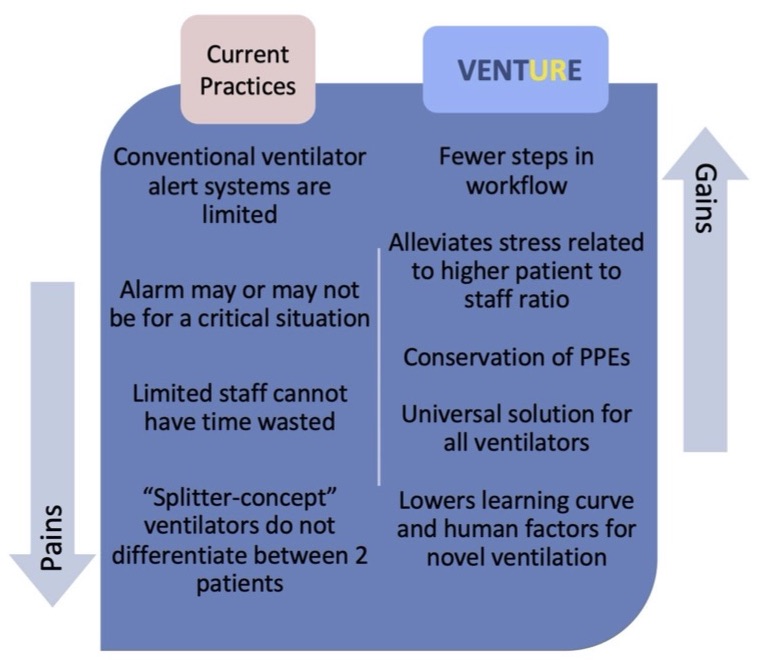
A major challenge presented by the COVID-19 crisis is the limited number of caregivers that can attend to the influx of patients requiring ventilators. Our alarm app and sensor system allows caregivers to monitor the real-time performance of conventional and novel ventilators for multiple patients at once. Such data could be used to compare trends in current patient outcomes with previously recorded ventilator data. This would allow clinicians to foresee complications and make more informed decisions in treating similar diseases.
Skin grafts are commonly used for wound closure and are cut with a mesh pattern to expand their coverage area. They are thin, delicate, painful to harvest, and easily damaged during traditional meshing. We observed need for a method to mesh skin grafts that is less prone to failure. Optigraft addresses this problem with technology that not only executes precise cuts without damage, but also measures the wound sites to allow for planning of optimal graft size and expansion ratio.
Undesired motion of the Sonavex, Inc. EchoSure probe is often imparted during the vascular ultrasound imaging process, leading to undesired artifacts within the collected scans that can render the data unusable.We have developed a device to stabilize the ultrasound probe; in doing so, it will be possible to help minimize additional movement and obtain better-quality images of AV fistulas without as many motion disturbances.
Designing an accurate abscess model for photodynamic therapy testing.
Our project is to design a device that can quantitatively measure the securement of a tracheostomy, therefore, prevent postoperative complications and provide hospital staff with more information for further research. Because of the COVID-19 situation, we have changed our project from designing an actual prototype to focusing more on theoretical mechanisms so that it will be able to be manufactured in the future.
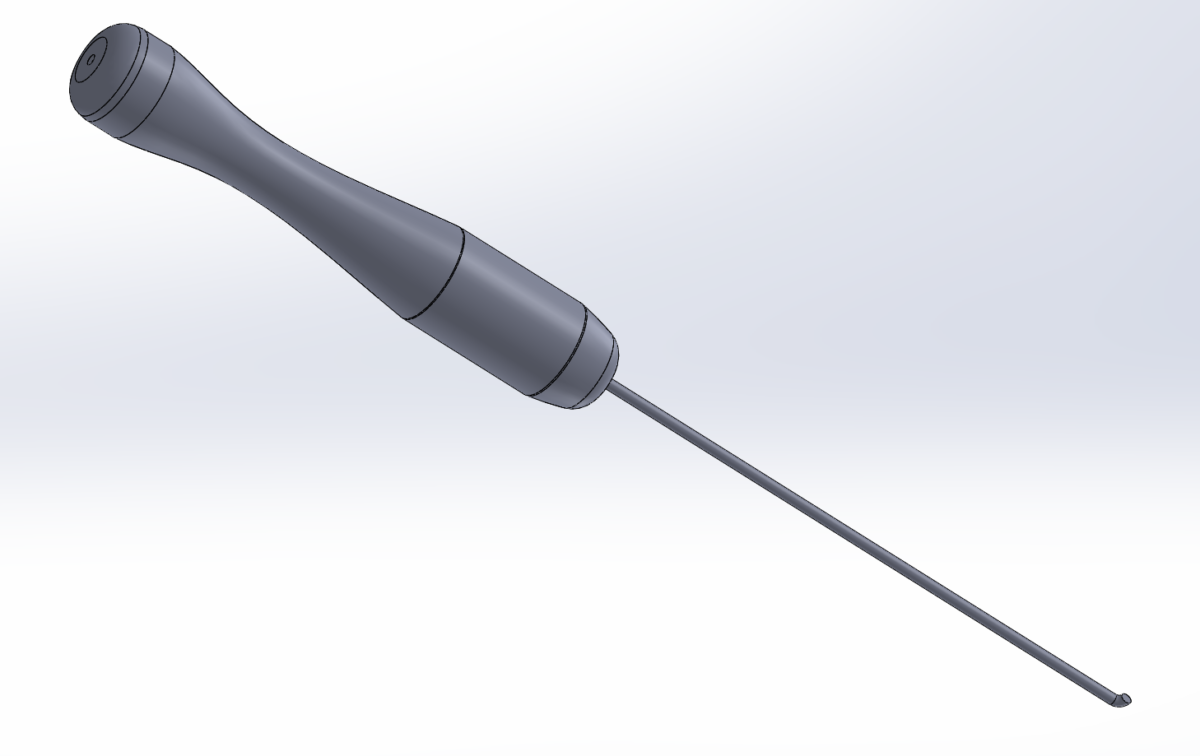
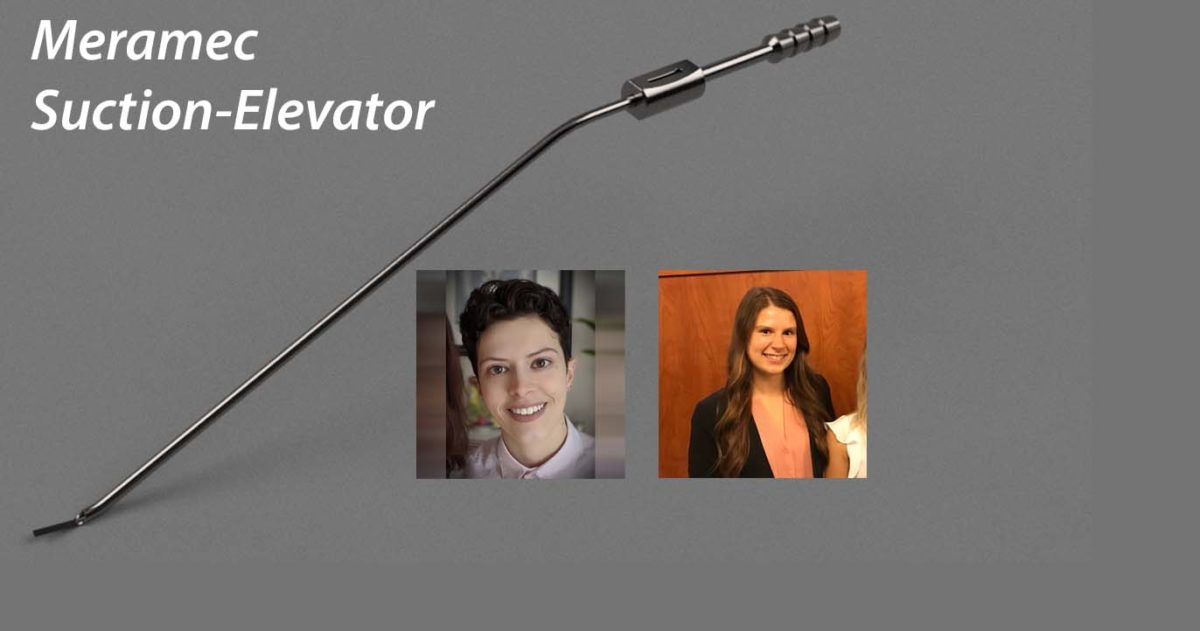
For spinal surgeons who face difficulty visualizing the nerve root during spinal decompressions, the Meramec suction/elevator is a surgical instrument that combines multiple instrument functions to free surgeons’ hands and increase OR efficiency. It combines the functionality and familiarity of existing suction tips and manual elevators with end effector geometry specific to the lumbar nerve roots, reducing the need to switch instruments. This improves OR workflow and increases patient safety.
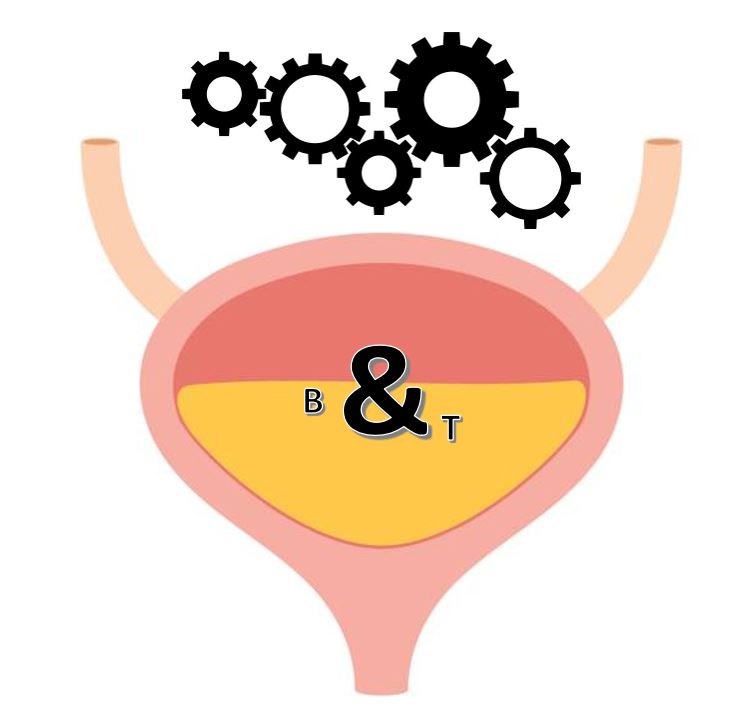
Our team is working to design and develop a functional bladder phantom that sits in a model of the human torso. This model is to be used in the validation and testing efforts of our customer, Curbell Medical’s, bladder bioimpedance sensor device. The model must be anatomically comparable to that of the average human in terms of both structure and function.
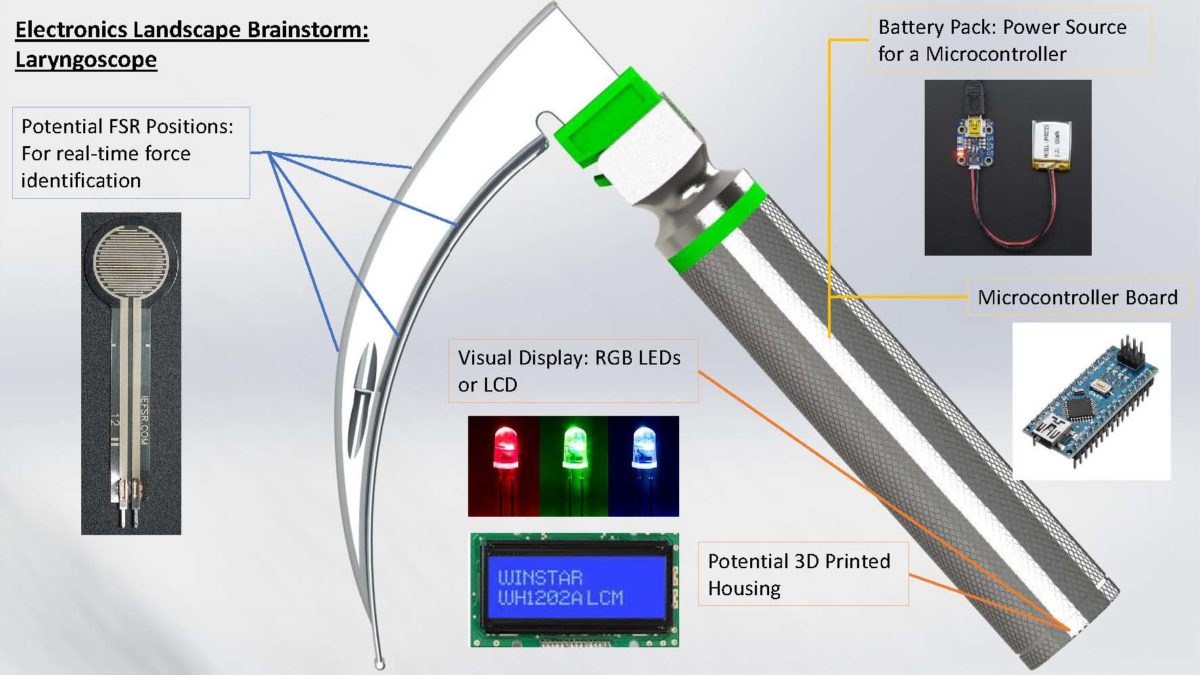
Lip damage can occur during the intubation procedure with a laryngoscope. One way to mitigate this would be to create a training tool that will improve the users’ awareness of the lips during intubation. Therefore, we will design a system to alert the user of impending and imminent upper lip damage that can be used with the Macintosh laryngoscope blade.
BrainFreeze is creating a brain temperature probe noninvasive to cerebral parenchymal tissue. The purpose of this probe is to monitor selective hypothermia during stroke intervention procedures in the operating room.